


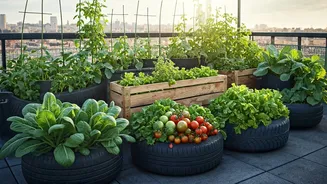
1. Start by Assessing Your Space and Light
Before you buy a single seed, become a sunlight detective. This is the single most important factor for success. Spend a day observing your available space—be it a windowsill, a fire escape (check local regulations!), a balcony, or a small patio. Does
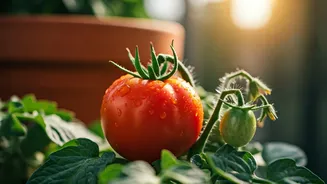
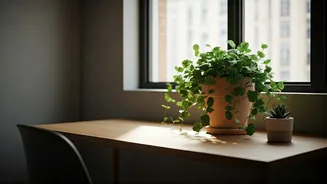
it get direct, bright sun for 6+ hours? That's “full sun,” perfect for fruiting plants like cherry tomatoes or peppers. Does it get 4-6 hours, perhaps in the morning or afternoon? That’s “part sun,” ideal for leafy greens like lettuce and spinach, or flowers like begonias. Less than 4 hours is “shade,” which can still support plants like mint, ferns, and snake plants. Don't guess; use a compass app to see which direction your windows or balcony face. South-facing spots get the most sun, while north-facing gets the least. This simple observation will guide every other choice you make.
2. Choose Your Containers Wisely
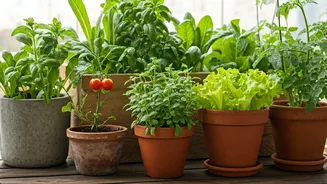
In urban gardening, your pot is your entire world. The number one rule of container gardening is drainage. If water can't escape, roots will rot, and your plant will die—no exceptions. Ensure any container you choose has holes in the bottom. If you fall in love with a decorative pot that doesn't have holes, you have two options: either drill them yourself (if the material allows) or use it as a “cachepot”—a decorative outer pot that holds a less attractive plastic nursery pot with drainage inside. The size of the container also matters. A tiny pot will dry out quickly and restrict root growth. A good rule of thumb for beginners is to go bigger than you think you need. A 5-gallon bucket (with holes drilled in the bottom) can be a cheap and effective home for a single tomato plant.
3. Select Forgiving, High-Reward Plants
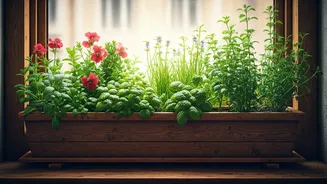
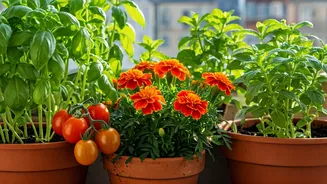
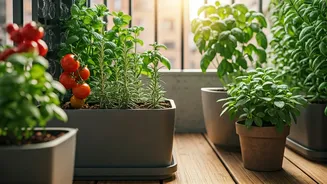
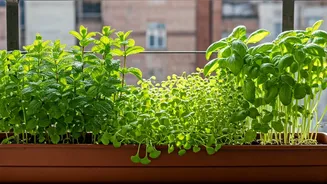
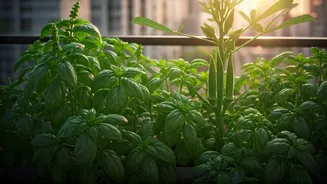
Your first foray into gardening should be rewarding, not heartbreaking. Start with plants that are known for being resilient and productive in containers. For a sunny spot, culinary herbs are a fantastic choice. Basil, rosemary, thyme, and oregano are relatively easy, and the reward of snipping fresh herbs for a meal is immense. Leafy greens like loose-leaf lettuce, spinach, and kale are also great for beginners in part-sun spots; you can harvest leaves as you need them and the plant will keep producing. For flowers, try marigolds, zinnias, or petunias—they provide a big splash of color with minimal fuss. Resist the urge to grow a giant watermelon on your fifth-floor balcony on your first try. Build confidence with small victories first.
4. Don't Underestimate Good Soil
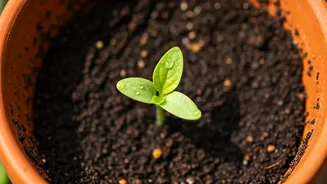
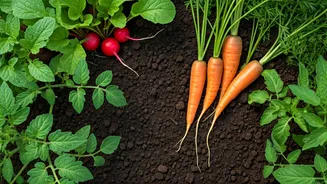
It might be called “dirt,” but the stuff you put in your pots is a highly engineered growing medium. Do not, under any circumstances, just scoop soil from a park or your backyard. Garden soil is too dense for containers. It will compact with watering, choking out roots and becoming a waterlogged brick. You must use a “potting mix” or “container mix.” These are specially formulated blends of peat moss, coir, perlite, and other ingredients that are lightweight, retain moisture but also drain well, and provide aeration for healthy roots. It’s the perfect foundation for a container plant. While it may seem like an unnecessary expense, using the right potting mix is the difference between a thriving plant and a sad, struggling one. Think of it as building a good house on a solid foundation.
5. Master the Art of Watering
The most common ways beginners kill their plants are through overwatering and underwatering. There's no magic schedule like “water every Tuesday.” How often you water depends on the plant, the pot size, the weather, and the time of year. The best way to know if your plant needs a drink is to use the finger test. Stick your index finger about an inch or two into the soil. If it feels dry, it's time to water. If it feels moist, wait another day or two. When you do water, do it thoroughly. Pour water slowly until it runs freely from the drainage holes at the bottom. This ensures the entire root ball gets hydrated. Then, allow the pot to drain completely and dump any excess water from the saucer. Letting a plant sit in a saucer full of water is a surefire way to invite root rot.