
From Standardization to Seasonality
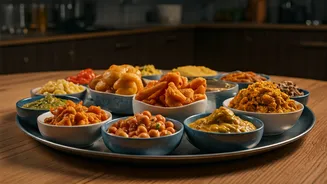
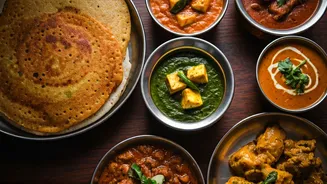
For many Americans, the introduction to Indian food came via a familiar, comforting, but ultimately limited menu: chicken tikka masala, saag paneer, and mountains of naan. Often served in sprawling lunch buffets, this version of Indian cuisine was designed
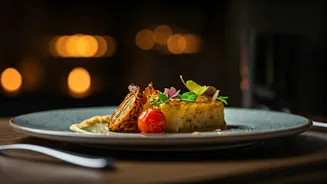
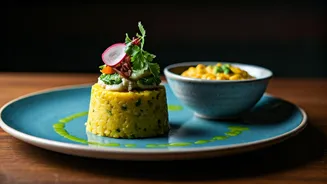
for accessibility and consistency. It relied on imported spices, frozen ingredients, and a handful of recipes that represented a continent’s worth of culinary diversity in just a dozen dishes. While delicious and beloved, this model cemented a perception of Indian food as heavy, cheap, and unchanging. Now, a vanguard of chefs across U.S. is pushing back against that stereotype. They are asking a simple but revolutionary question: What if an Indian restaurant operated like the best modern American, French, or Italian establishments? What if it celebrated local farmers, changed its menu with the seasons, and treated every ingredient with the respect it deserves? The answer is a full-scale culinary evolution, one that honors the soul of Indian cooking while grounding it firmly in a new time and place.
The Farm-to-Tandoor Philosophy
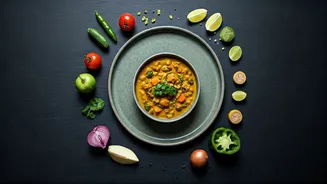
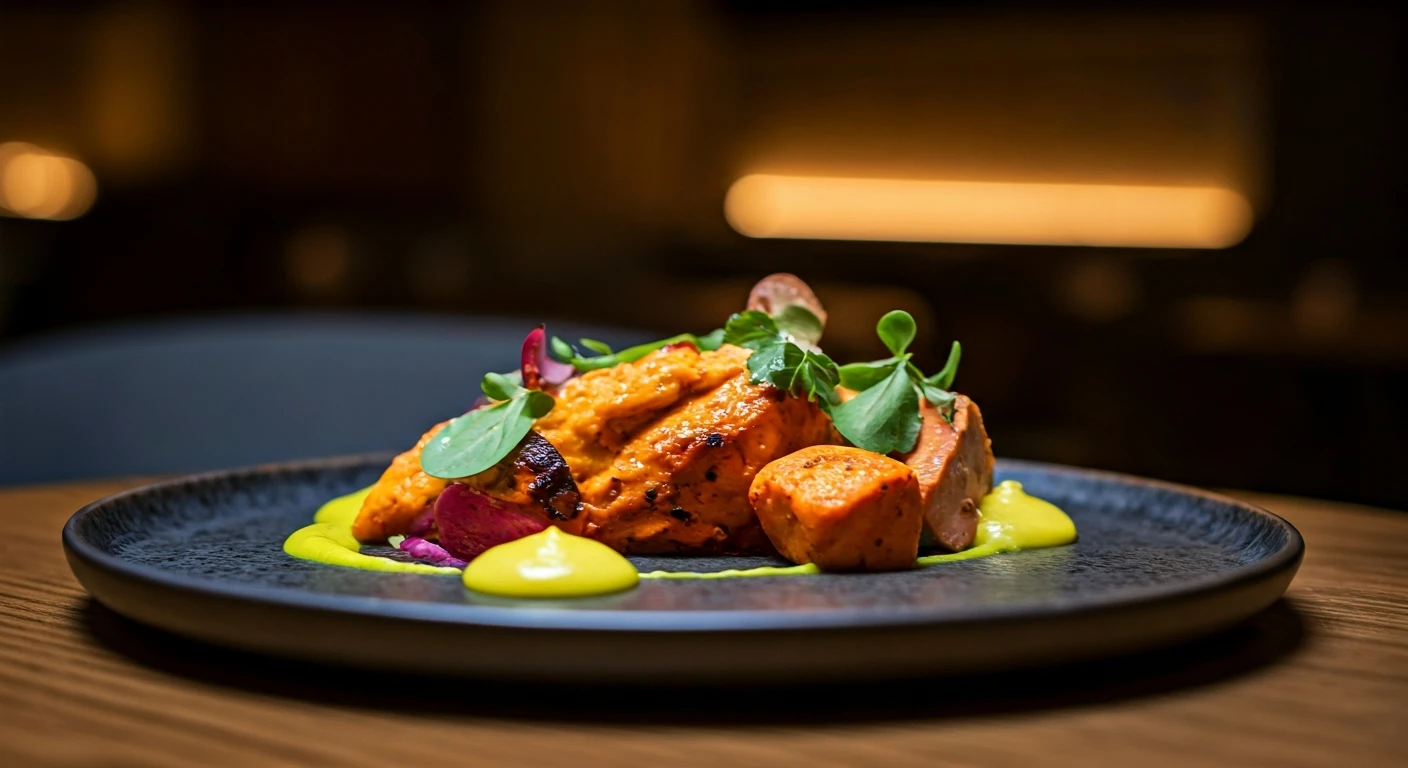
This new philosophy isn't just about swapping out a generic tomato for a farmers' market heirloom. It’s a complete reimagining of the supply chain and the creative process. Chefs like Chintan Pandya of the Unapologetic Foods group in New York City (Dhamaka, Semma) and Srijith Gopinathan of Ettan in Palo Alto have become pioneers of this approach. They are building relationships with local purveyors to find the crispest vegetables, the most humanely raised meats, and the freshest seafood available. Imagine a classic dish like baingan bharta (smoky eggplant) made not with eggplant flown in from afar, but with a specific variety picked at peak ripeness from a farm 20 miles away. Or a fish curry featuring the catch of the day from a local angler. This approach infuses the dishes with a vitality and sense of place that was previously impossible. It connects the cuisine to its immediate environment, creating a dialogue between the traditions of India and the terroir of California, New York, or Texas.
The Creative Constraint
Of course, this path is not without its challenges. Indian cooking is renowned for its complex spice blends and reliance on ingredients—like fresh curry leaves, asafoetida, or specific regional chilies—that aren't exactly growing on every corner in Idaho. This is where the true artistry comes in. These chefs aren’t abandoning tradition; they are innovating within it. Some have started their own small farms or greenhouses to cultivate essential herbs. Others collaborate with growers to introduce new crops. Many more get creative with substitutions, finding a local green that can mimic the texture of fenugreek leaves or a domestic pepper that provides a similar smoky heat. This constraint doesn’t diminish the food; it inspires a new kind of creativity. It forces chefs to deconstruct a flavor profile and rebuild it with the ingredients on hand, resulting in dishes that are both recognizably Indian and uniquely American.
Redefining Authenticity
This movement inevitably raises the question of “authenticity.” If a dish uses local ingredients that aren’t found in India, can it still be considered authentic? The chefs at the forefront of this trend argue for a more expansive definition. They contend that true authenticity isn’t about slavishly replicating a recipe from a thousand miles away. Instead, it’s about authenticity of intent: using the best possible ingredients to create the most delicious and soulful expression of a dish. For them, cooking with the seasons and supporting local agriculture is a more honest approach than using preserved or imported facsimiles. It mirrors the way food is traditionally cooked in India, where a home cook uses what’s fresh from their own garden or the local market. By applying that same principle in an American context, these chefs are crafting a new, living authenticity—one that is dynamic, responsible, and, above all, incredibly delicious.