

The Redemption of a Fruit Salad Villain
For years, cantaloupe has suffered a public relations crisis. It was the filler fruit, the bland orange backdrop for more glamorous strawberries and blueberries. In group fruit salads, it was often the last melon standing—underripe, crunchy, and tasting
faintly of the refrigerator. This reputation wasn't entirely unearned. A bad cantaloupe is a profound culinary disappointment, a watery ghost of the sweetness it promised. We’ve all been there: you tap it, you sniff it, you bring it home with high hopes, only to slice into a pale, flavorless orb. This collective trauma has led many to dismiss it outright, relegating it to a symbol of low-effort catering and lackluster desserts. But what if the problem wasn't the cantaloupe, but our approach to it?
An Antidote to Complicated Times
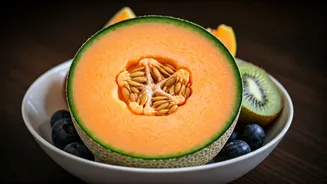
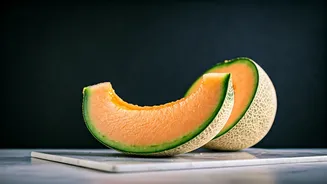
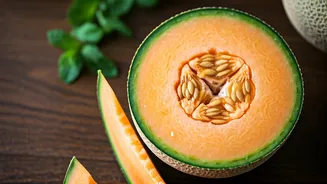
Part of cantaloupe’s resurgence is tied to a broader cultural shift. In an era of overly complex recipes, multi-step meal kits, and foods engineered for Instagram, there’s a growing appetite for simplicity. Chilled fruit, served unadorned, is the ultimate expression of this mood. It’s a return to celebrating an ingredient for what it is, not what it can be turned into. A perfectly ripe, cold wedge of cantaloupe offers a moment of pure, uncomplicated pleasure. Its musky, floral aroma and honeyed sweetness are grounding. It doesn’t demand anything from you. This return to basics feels like a quiet luxury—an affordable, accessible indulgence that connects us to seasonal rhythms and sensory satisfaction. It’s less about a specific trend and more about a collective exhale, a desire for things that are simply, effortlessly good.
Beyond the Melon Baller
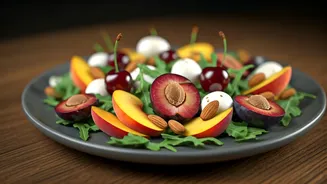
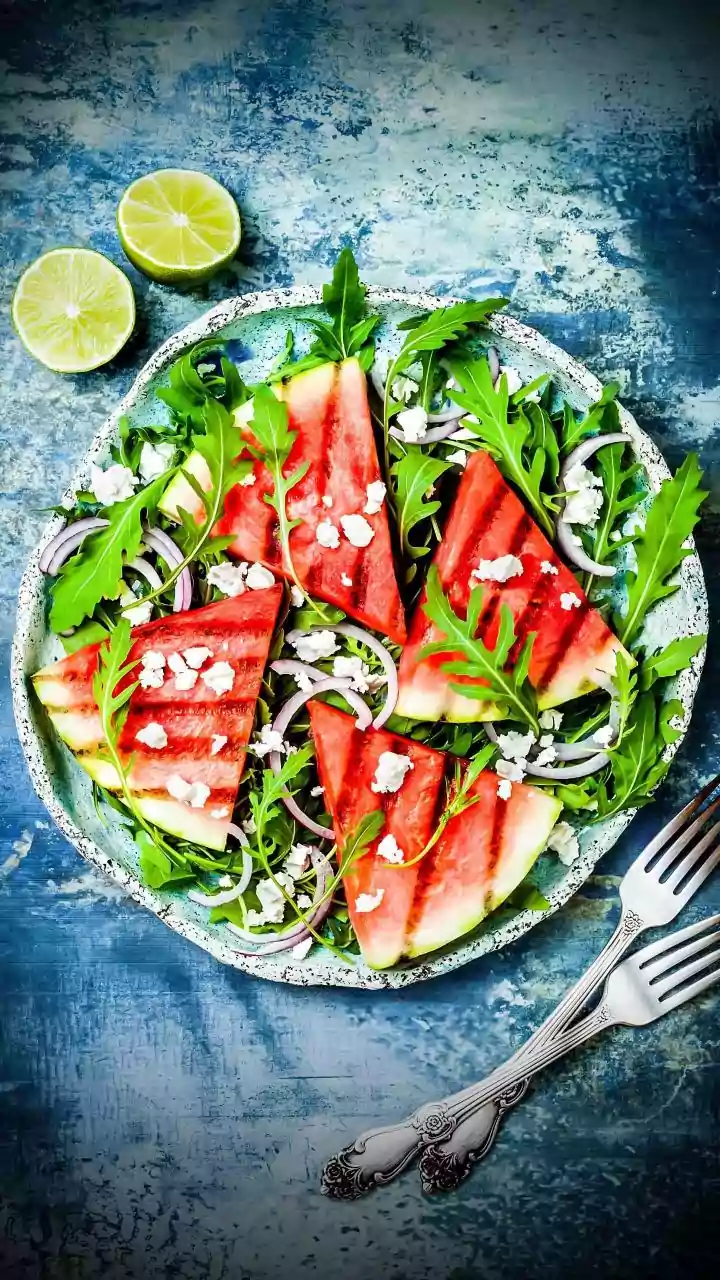
While a simple slice is divine, the modern cantaloupe renaissance also involves creative, sophisticated pairings that elevate it beyond a breakfast side. The classic Italian appetizer of prosciutto e melone (prosciutto and melon) is being rediscovered, its salty-sweet magic reminding us how well cantaloupe plays with savory partners. Chefs are embracing it in new ways. Think chilled cantaloupe gazpacho with a hint of mint or lime, a refreshing counterpoint to a hot day. Imagine it cubed in a salad with feta, red onion, and a sharp vinaigrette, or even lightly grilled to caramelize its sugars and served alongside pork or chicken. Its subtle sweetness also makes it a fantastic base for cocktails, from cantaloupe-infused gin and tonics to frozen margaritas. These applications aren't about masking the melon but highlighting its unique floral character and versatile texture.
The Art of the Perfect Pick
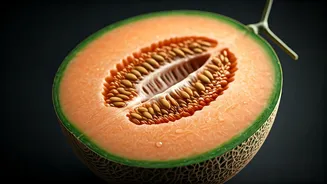
The entire cantaloupe experience hinges on one thing: choosing a good one. This is where most people go wrong, but a few simple tricks can guarantee success. First, inspect the rind. It should have a raised, web-like netting over a beige or creamy yellow background, not green. A green rind means it was picked too early and will never truly ripen. Next, check the stem end—the circular spot where it was detached from the vine. It should be smooth and slightly indented (an “innie,” not an “outie”), indicating it slipped off the vine naturally when ripe. If a piece of the stem is still attached, it was likely forced off too soon. Finally, trust your senses. The melon should feel heavy for its size, and the blossom end (opposite the stem) should have a sweet, musky, floral aroma. If it has no smell, it has no taste. Put it down and find another.