



Beyond Beige: Defining the New Palette
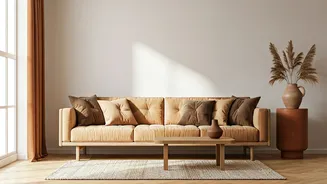
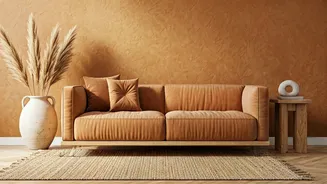
When we say “earthy,” we’re not just talking about shades of brown. This new Indian aesthetic is a sophisticated palette drawn directly from the subcontinent's diverse landscapes. Think of the rich, rusty red of terracotta soil, the sun-baked gold of ochre,
the muted green of neem leaves, and the dusty pink of Rajasthani sandstone at dusk. These colors are warm, textured, and deeply resonant. Unlike the high-gloss jewel tones that once dominated, this look is matte, chalky, and organic. It’s about creating a space that feels like a sanctuary—calm, grounding, and intimately connected to the natural world. This palette is less a statement of wealth and more a whisper of wellness and peace.
A Quiet Rebellion Against 'Royalcore'
For decades, the global perception of Indian design has been filtered through a “Maharaja” lens—a lavish, palatial style heavy on intricate carvings, shimmering brocades, and dazzling color. While beautiful, this aesthetic represents a very specific, and often historical, vision of India. The move towards earthy tones is a quiet rebellion against this stereotype. It’s a collective exhale by a new generation of Indian designers and homeowners who are forging a modern identity. They are looking inward and backward—not to palaces, but to vernacular architecture and rural traditions. This style feels more personal and honest, reflecting a contemporary India that is confident, globally aware, and comfortable in its own, naturally beautiful skin.
Materials Make the Mood
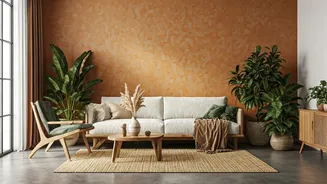
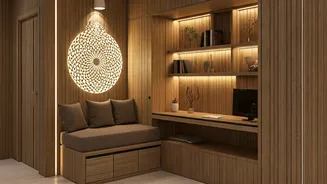
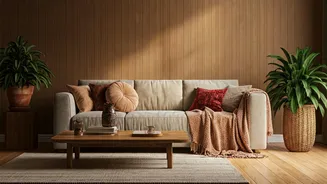
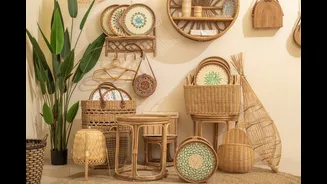
This design philosophy is built on a foundation of natural, tactile materials. Polished marble is being swapped for rugged, unpolished Kota stone or simple concrete floors. Walls are getting a textural treatment with lime wash or clay plaster, techniques that have been used in Indian villages for centuries. Furniture is returning to its roots, with an emphasis on local woods like teak and mango, often with a raw or reclaimed finish. Perhaps most visibly, cane, rattan, and jute have made a massive comeback. From intricate woven headboards and cabinet fronts to simple jute rugs and wicker light fixtures, these humble materials bring a layer of handcrafted warmth and lightness that perfectly complements the earthy color scheme.
Artisanal, Not Ornate
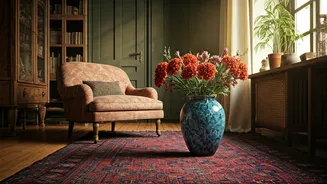
The focus has shifted from ornamentation to artistry. Instead of heavily embellished objects, the new Indian interior celebrates the skill of the artisan. This means seeking out hand-thrown pottery, with all its perfect imperfections. It’s about choosing block-printed textiles where you can almost feel the maker's hand, or a single, beautifully sculpted wooden object that commands attention through its form rather than its flash. The luxury here isn’t in the gleam of gold leaf, but in the texture of a hand-loomed blanket, the unique grain of a wooden bowl, or the subtle variations in a handmade tile. It’s a deeply sustainable approach, both environmentally and culturally, as it supports and preserves local craft communities.
How Global Meets Local
This trend isn't happening in a vacuum. It’s a fascinating blend of local sensibilities and global design currents. You can see the influence of Japanese wabi-sabi in the appreciation for imperfection and natural materials. There’s a touch of Scandinavian hygge in the cozy, comfortable layering and clean lines. But these influences are seamlessly integrated into a distinctly Indian context. A minimalist, low-slung sofa might be upholstered in earthy khadi cotton. A sleek, modern lamp might be paired with a vintage wooden pillar. This fusion is what makes the style feel so fresh and relevant. It’s not about recreating a village home in a city apartment; it’s about creating a modern, global home that is proudly and soulfully Indian.