

Why Rainwater Is Liquid Gold
Tap water keeps plants alive, but rainwater helps them thrive. The difference lies in its chemistry. First, rainwater is naturally soft, meaning it's free from the salts, minerals, and treatment chemicals like chlorine and fluoride found in most municipal
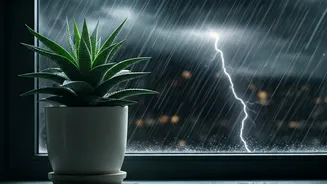
water systems. Over time, these can build up in the soil and stress your plant’s roots. Second, rain is slightly acidic, which is a pH level that many popular houseplants, especially tropicals, prefer. This gentle acidity helps them unlock and absorb nutrients already present in the soil. Finally, rainwater contains small amounts of nitrates—a form of nitrogen that is a primary macronutrient for plant growth. When lightning flashes during a storm, it converts atmospheric nitrogen into a form that dissolves in raindrops, creating a weak, perfectly dosed fertilizer that your plants can use immediately. It’s a free, all-natural boost that tap water simply can’t replicate.
The Art of the Gentle Rain Shower
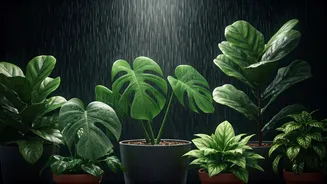
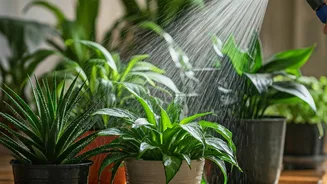
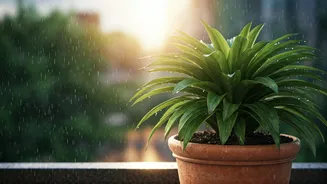
Giving your plants a rain bath isn’t about abandoning them to a torrential downpour. The goal is a gentle soak, not a stress test. The ideal time is during a light, steady rain on a warm, mild day (above 60°F). Avoid windy conditions, which can shred delicate leaves or topple pots. Place your sturdy, well-draining plants in an open area where they can receive the rain for about 30 minutes to an hour. This is long enough for the water to flush out accumulated salts from the soil and give the foliage a good, dust-clearing wash. For plants in heavier soil or pots without excellent drainage, a shorter stint is better to prevent waterlogging. Think of it as a spa treatment—a brief, intentional, and beneficial experience.
Know Which Plants to Pamper
Not every houseplant is a candidate for a trip outdoors. Tropical plants that originate from rainforest understories—like Monsteras, pothos, philodendrons, calatheas, and most ferns—will adore the experience. Their native environments are defined by frequent, warm rain. However, you should be cautious with others. Plants with fuzzy leaves, such as African violets or certain begonias, can be prone to fungal spots or rot if their foliage stays wet for too long. Similarly, most succulents and cacti, which are adapted to arid conditions, do not need or want a drenching rain shower. Their root systems are highly susceptible to rot from overwatering. When in doubt, consider the plant’s origin story. If it comes from a dry climate, stick to your indoor watering can.
How to Avoid the 'Chaos'
The “chaos” in the headline is real, but entirely preventable. The main risks are pests, shock, and physical damage. Before bringing any plant back inside, inspect it thoroughly for unwanted hitchhikers like slugs, aphids, or spider mites that may have taken refuge on the leaves or in the soil. A quick check of the undersides of leaves and around the base of the plant is crucial. Also, avoid shocking your plant. A cold rain on a hot day can be stressful, and a plant accustomed to dim indoor light can get a nasty sunburn if left in direct sun after the clouds part. The best practice is to place them in a shady spot outdoors. Finally, never leave plants out during a severe thunderstorm with high winds or hail, which can easily shred leaves, snap stems, and turn your spa day into a catastrophe.
Collect and Store for Later
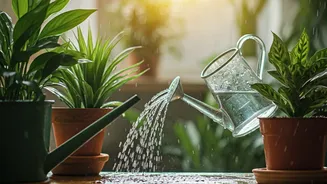
If you live in an apartment or the weather isn’t cooperating, you can still reap the rewards by becoming a rainwater collector. The simplest method is to place a clean bucket or basin outside during a storm. For a more committed approach, a rain barrel connected to a downspout can collect gallons of this precious resource. When storing rainwater, use a container with a tight-fitting lid to prevent mosquitoes from breeding and to keep debris and algae out. If you plan to store it for more than a week, it’s best to keep it in a dark, cool place. This collected water is perfect for your regular watering routine, especially for sensitive plants like orchids, calatheas, and carnivorous plants that are famously fussy about tap water.