






From Pet to ‘Fur Baby’
The foundation of this movement is the profound change in how we view our animals. For a growing number of Americans, particularly Millennials and Gen Z, pets aren't just animals; they're family. The term 'pet parent' has replaced 'pet owner,' and this linguistic
shift reflects a deeper emotional reality. According to the American Pet Products Association, a significant majority of pet owners consider their pets to be full-fledged members of the family. When you see your dog or cat as a child, the idea of leaving them in a kennel while you go on an adventure feels less like a convenience and more like an emotional sacrifice. This 'humanization' of pets means their well-being and inclusion in daily life—including vacations—has become a top priority.
The Remote Work Effect
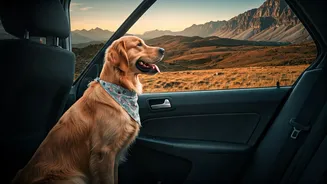
The pandemic-era explosion of remote and flexible work didn't just change our offices; it rewired our relationships with our pets. Freed from the 9-to-5 commute, millions of Americans spent more time at home, deepening their bonds with their animal companions. This new work-life dynamic has untethered many from a single location. If you can work from anywhere, why not work from a cabin in the mountains or a beachfront rental for a few weeks? And if you’re going, why wouldn't you bring the furry coworker who has been by your side all year? The ability to travel without taking paid time off makes longer, more immersive trips possible, and for many, those trips are incomplete without their pets. The laptop and the leash have become the new essentials for the modern digital nomad.
An Industry Eager to Please
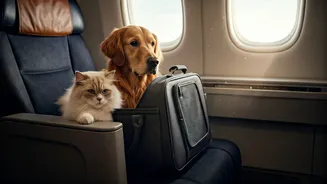
Where consumers go, businesses follow. The travel and hospitality industry, recognizing a lucrative and loyal market, has rolled out the red carpet for four-legged guests. Hotel chains like Kimpton have long been famous for their pet-friendly policies, but now brands from Hilton to Marriott offer dedicated pet programs, complete with welcome treats, special bedding, and lists of local dog parks. Vacation rental sites like Airbnb and Vrbo feature prominent 'pets allowed' filters, which are among the most-used search criteria. Airlines, while still a complex hurdle, are seeing a rise in travelers willing to pay significant fees to bring a small pet in the cabin. This corporate embrace validates the lifestyle, turning what was once a logistical nightmare into a seamless, catered experience.
The Rise of a Pet-Centric Economy
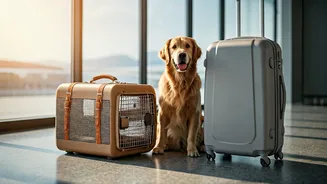
Beyond hotels and airlines, a whole cottage industry has sprung up to support the pet-travel lifestyle. Consumers can now buy everything from crash-tested car harnesses and GPS-enabled collars to TSA-approved carriers and portable, insulated food bowls. Boutique services offer curated, pet-friendly travel itineraries. Apps and websites like BringFido have become go-to resources for finding dog-friendly restaurants, beaches, and attractions, taking the guesswork out of planning. This ecosystem of products and services makes traveling with a pet not just possible, but genuinely enjoyable. It equips pet parents with the tools and confidence to see the world with their companion in tow, reinforcing the idea that shared experiences are the ultimate goal.
It’s Not Always a Walk in the Park
Of course, this lifestyle isn’t without its challenges. Traveling with a pet requires meticulous planning, from navigating complex airline regulations and country-specific health certificates to finding genuinely welcoming accommodations. It also adds significant cost, with pet fees for flights and hotels often running into the hundreds of dollars. Furthermore, not every pet is suited for the rigors of travel; anxious animals may find the experience stressful rather than enriching. The lifestyle choice demands a certain temperament—from both the human and the animal—and a willingness to trade spontaneity for a well-organized, pet-centric itinerary. It’s a commitment that prioritizes companionship over convenience.