



More Than Just a Free Sample
For global and domestic brands trying to capture the taste buds of 1.4 billion people, traditional market research can be slow, expensive, and often misleading. Focus groups in sterile office settings don't always capture the spontaneous, honest feedback
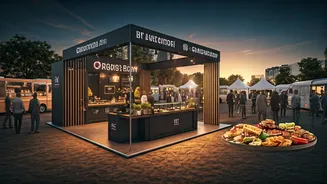
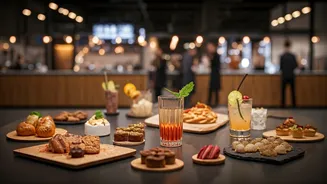
needed in a country with famously diverse palates. So, companies are getting smarter by going where the people are: food festivals, pop-up cafes, and even corporate cafeterias. Instead of paying participants to try a new chip flavor in a lab, brands like PepsiCo, Nestlé, and local giants like ITC are embedding their research and development directly into public events. That new-flavored yogurt or experimental soda you’re trying for free? Your reaction—the facial expression, the impromptu comment to a friend, whether you go back for a second taste—is the data. On-site brand representatives, often disguised as enthusiastic promoters, are trained to observe and engage, gathering qualitative insights that surveys can’t match.
The Perfect Recipe for India’s Market
This strategy is particularly brilliant for the Indian market, which is not one single entity but a complex mosaic of regional preferences. What sells in the south might be a total flop in the north. A spice level considered mild in Andhra Pradesh could be eye-watering in Gujarat. Getting a product right requires granular, location-specific feedback. Food events provide a cost-effective shortcut. A company can test a spicy variant of a snack in a city known for its love of heat, while simultaneously testing a sweeter version at a festival hundreds of miles away. It allows for rapid, real-world A/B testing on everything from flavor and texture to packaging and price point. Furthermore, in a country where social proof and word-of-mouth are incredibly powerful, having people see others enjoying a new product creates an instant, organic buzz that a traditional ad campaign struggles to replicate.
From Test Kitchen to Tasting Stall
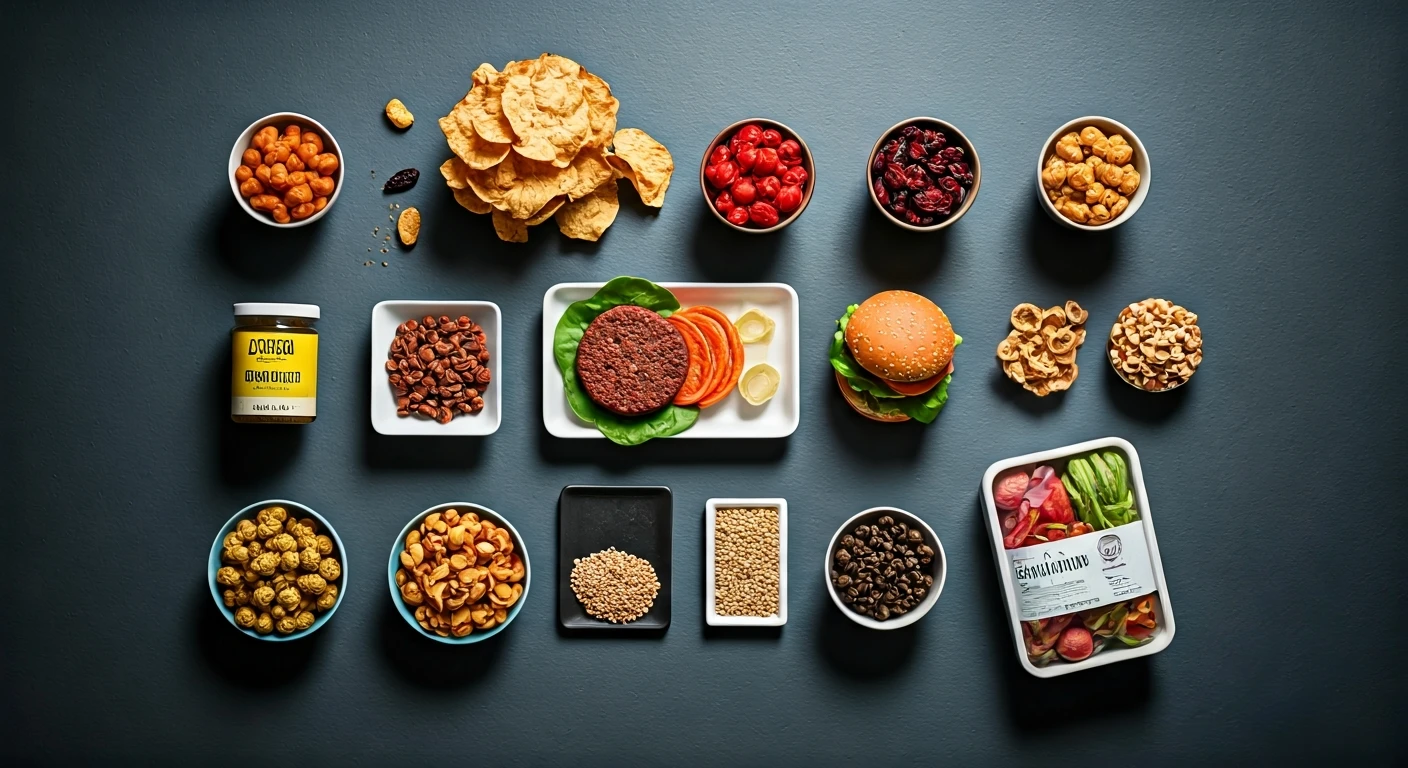
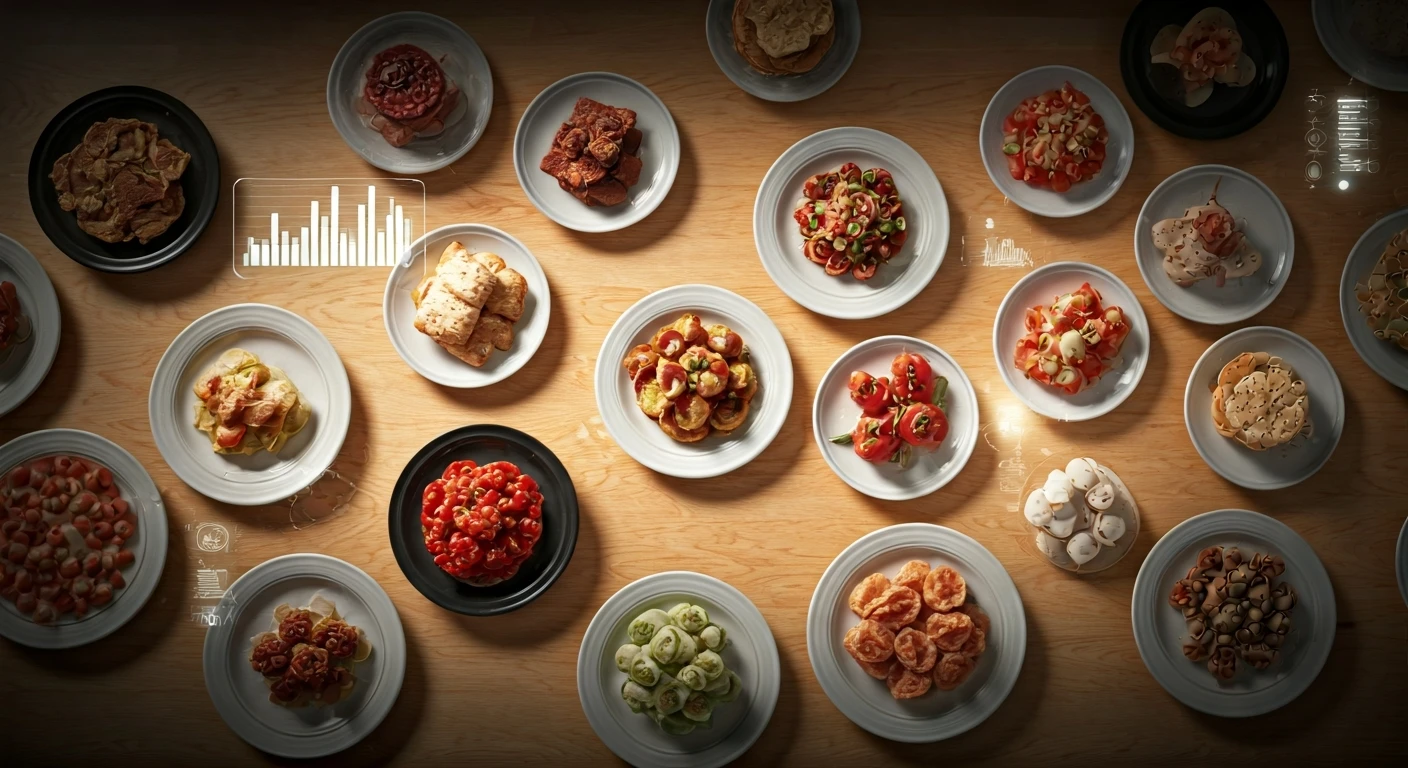
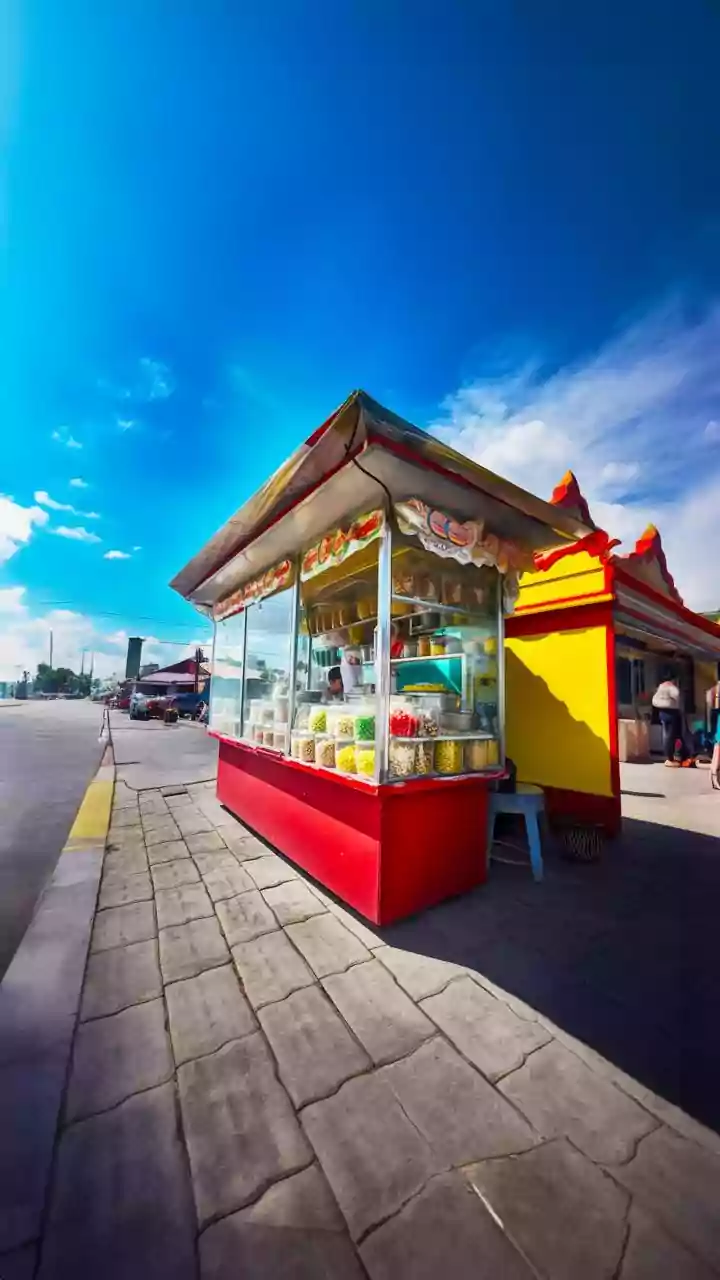
The applications are widespread. A beverage company might set up a stall to test three potential summer drink flavors, asking people to vote for their favorite. The real-world voting data is far more reliable than a hypothetical survey question. A snack brand might offer the same chip with two different seasonings to see which one empties faster. Even the questions people ask provide valuable information. If dozens of consumers ask, “Is this gluten-free?” or “What’s the sugar content?” that’s a direct signal to the marketing team about what attributes to highlight on the final packaging. This method also de-risks major product launches. Before investing millions in a nationwide rollout, a company can gauge interest and iron out kinks with a relatively small investment in a few key events. If a product is a clear failure in this setting, it can be tweaked or scrapped without major financial loss, saving the company from a costly public flop.
A Smarter Way to Build a Brand
Perhaps the most significant advantage is the dual benefit. While the R&D team gets its priceless data, the marketing team gets a direct, positive interaction with potential customers. Giving someone a delicious free snack is a powerful form of brand-building. It generates goodwill and creates a positive memory associated with the brand, something a pop-up ad or a TV commercial simply can’t do. The event itself becomes a form of content, with attendees posting photos of the new product on social media, further amplifying the brand’s reach for free. This fusion of marketing and research represents a shift toward more agile, customer-centric business practices. It acknowledges that in today’s fast-moving consumer world, the distance between the lab and the customer needs to be as short as possible.