






Your Gut Is a Garden, Not a Machine
For years, we’ve treated our bodies like machines, focusing on calories in and calories out. But a more accurate, and frankly more beautiful, metaphor for your digestive system is a vibrant, sprawling garden. This garden is your gut microbiome: a complex
ecosystem of trillions of bacteria, fungi, and other microbes living in your large intestine. A healthy, thriving microbiome doesn't just help you digest food; it’s intrinsically linked to your immune system, your mood, and your overall health. And just like any garden, it flourishes not with monotony, but with diversity. Each type of beneficial bacteria has its own preferred food source. When you eat the same few foods every day, you're only feeding a small fraction of your microbial team, leaving the others to languish.
The Science of a Diverse Diet
So, what does science say? Landmark studies, like the American Gut Project, have shown a direct link between the diversity of plants in a person's diet and the diversity of their gut microbiome. Researchers found that individuals who ate more than 30 different types of plants per week had a significantly more diverse gut microbiome than those who ate 10 or fewer. A diverse microbiome is more resilient. It's better equipped to fight off harmful pathogens, reduce inflammation, and produce beneficial compounds called short-chain fatty acids (SCFAs). These SCFAs are superstars of gut health, providing energy for your intestinal cells and playing a role in regulating everything from appetite to immune function. A monotonous diet, on the other hand, can lead to a less stable ecosystem, a condition sometimes called 'dysbiosis,' which is associated with a host of digestive and inflammatory issues.
How to Get to 30 Plants a Week
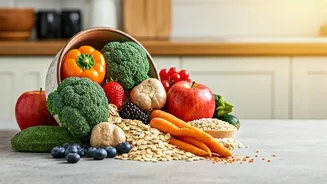
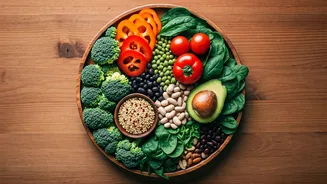
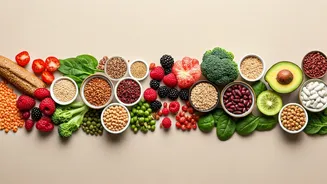
The idea of eating 30 different plants in a week might sound daunting, but it's more achievable than you think. The key is to stop thinking in terms of whole meals and start thinking in terms of ingredients. 'Plants' don't just mean fruits and vegetables; this category includes whole grains, nuts, seeds, legumes, herbs, and spices. Your morning coffee and the oregano in your pasta sauce count! Start by making small, incremental additions. If you normally eat oatmeal with blueberries, try adding a sprinkle of chia seeds and walnuts. That’s three plants right there. If you’re making a salad, use a mixed greens base instead of just romaine and toss in some chickpeas and sunflower seeds. Each small addition is a win for your gut.
Simple Swaps for a Gut Glow-Up
You don't need a radical diet overhaul. Focus on simple swaps and additions that accumulate over the week:
* **Upgrade Your Grains:** Instead of just white pasta or bread, try swapping in whole wheat, quinoa, farro, or barley. Brown rice is great, but a wild rice blend offers more variety.
* **Embrace 'Mixes':** Buy a bag of mixed nuts or seeds instead of just almonds. Grab a frozen 'berry blend' for your smoothies instead of just strawberries. Choose a 'soup mix' of dried beans and lentils.
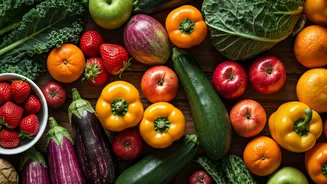
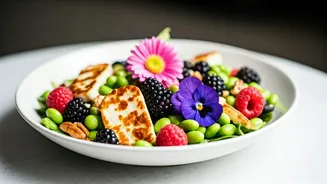
* **Think in Color:** Aim to 'eat the rainbow.' Different colors in fruits and vegetables often signify different phytonutrients, which feed different microbes. If you had red bell peppers today, try yellow or orange ones tomorrow.
* **Herbs Are Your Friends:** Fresh or dried herbs are a powerhouse of plant points. Garnish your avocado toast with cilantro, add parsley to your soup, or sprinkle dried thyme and rosemary on roasted vegetables. They’re an easy and flavorful way to boost diversity.
Fermented Foods and Fiber
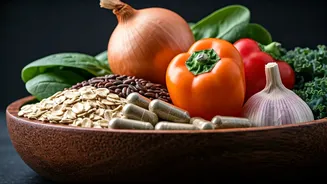
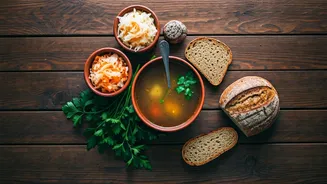
While variety is the star of the show, two supporting actors deserve a mention: probiotics and prebiotics. Probiotics are live beneficial bacteria found in fermented foods like yogurt (look for 'live and active cultures'), kefir, kimchi, sauerkraut, and kombucha. They add new, helpful residents to your gut garden. Prebiotics, on the other hand, are the food for your existing bacteria. This is essentially fiber, found in foods like garlic, onions, bananas, asparagus, and whole grains. A diet rich in varied, fiber-filled plants provides the prebiotics your diverse microbiome needs to thrive.