


The Emerald Transformation
From June to September, the monsoon rains sweep in from the Arabian Sea and work a kind of magic on western India’s coastal plain. The Konkan region, a rugged stretch of land wedged between the Western Ghats mountains and the sea, sheds its dry, sun-baked
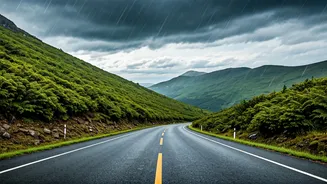
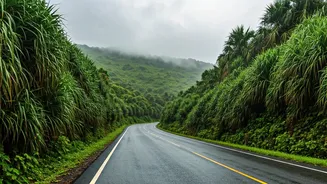
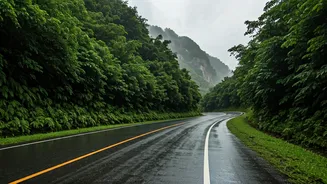
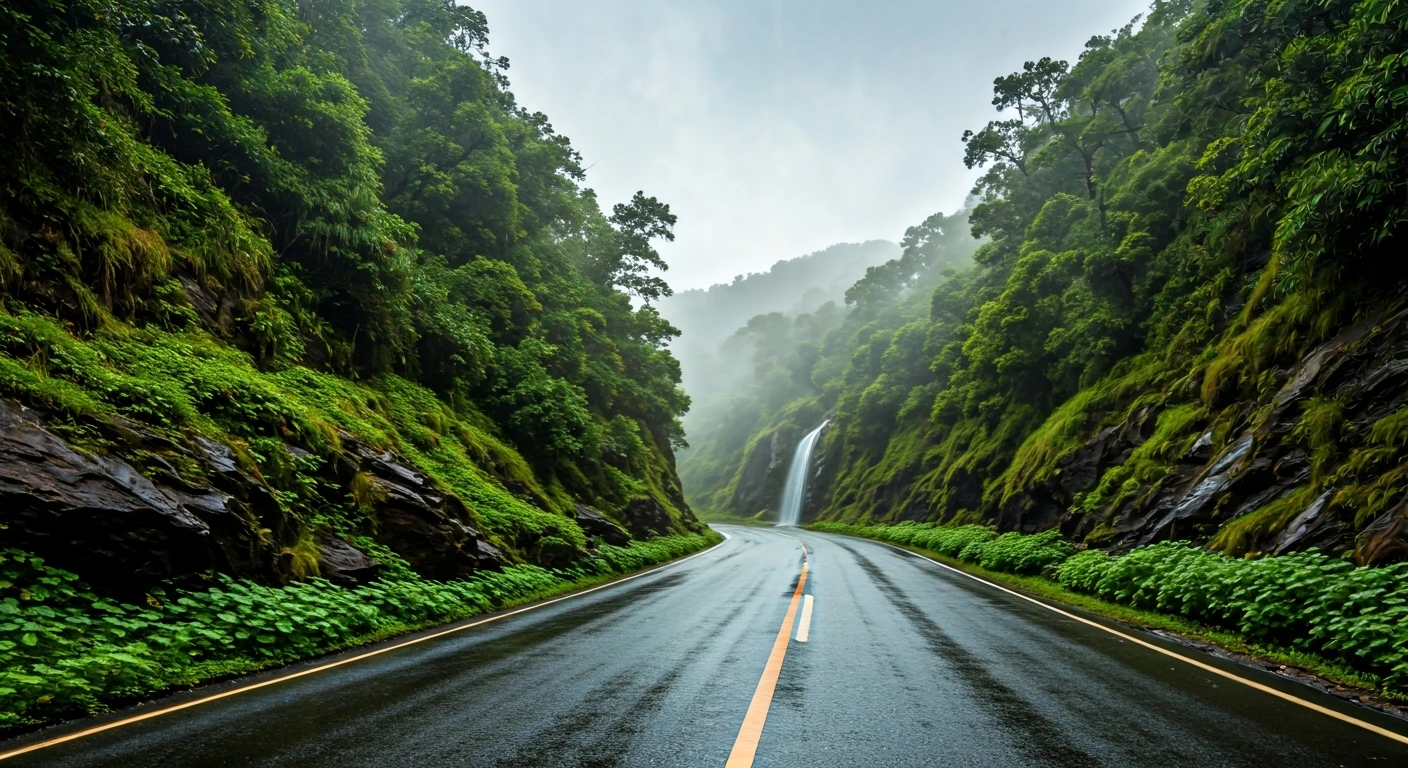
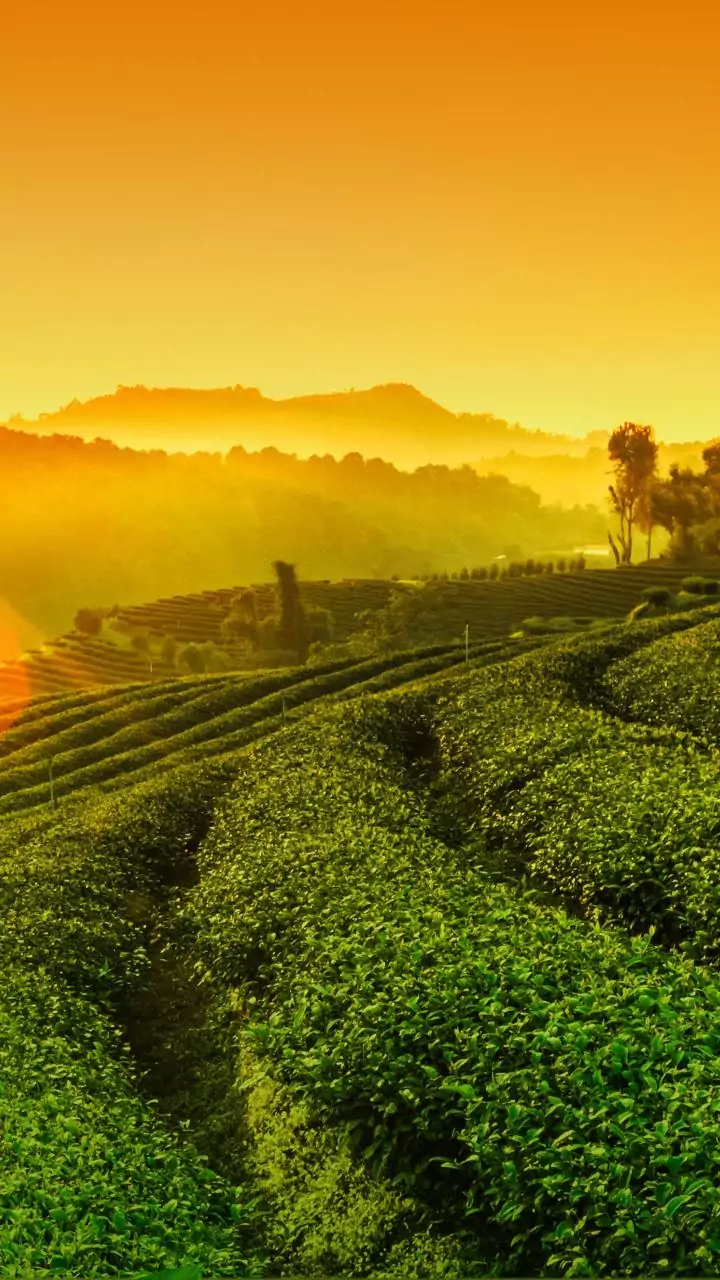
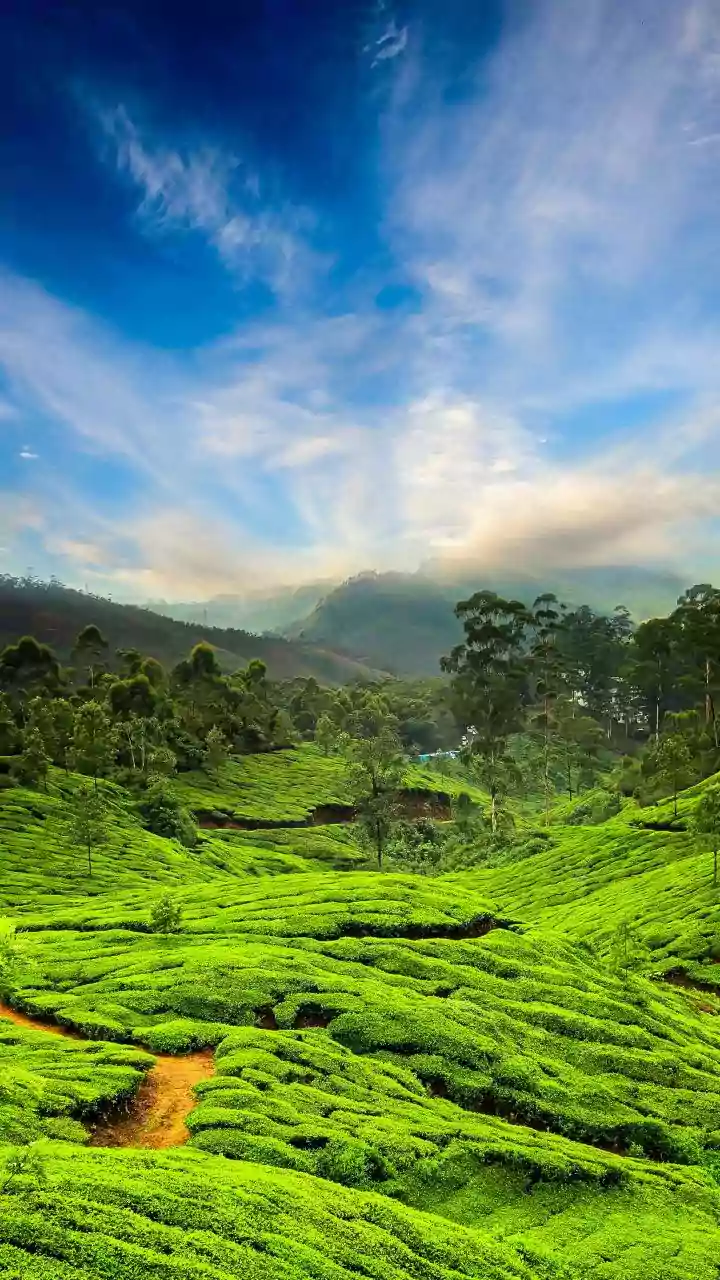
palette for an almost impossibly vibrant green. Dusty hillsides become draped in emerald velvet. Rice paddies fill with water, reflecting the dramatic, cloud-filled sky. This isn’t just a little rain; it's a complete metamorphosis. The entire landscape feels alive, breathing and pulsing with newfound energy. For a road tripper, it means every turn reveals a view more stunning than the last, with the world washed clean and gleaming.
A Road That Demands Detours
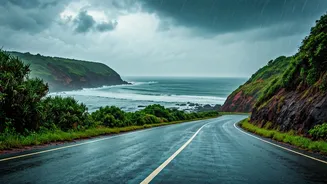
The main artery of the Konkan is National Highway 66, which snakes its way from Mumbai south towards Goa and beyond. While it’s the most direct path, the real joy of a monsoon drive here lies in the detours. Small, winding state roads peel off the highway, leading to ancient temples, colonial-era forts, and sleepy fishing villages that are blissfully free of the peak-season tourist crowds. The rain slows everything down. You’re not trying to make record time; you’re meandering. The journey itself—navigating slick roads, crossing old stone bridges, and pulling over for impromptu photo-ops—becomes the destination. Be prepared for a less-than-perfect highway; some stretches can be rough, but the rewards for your patience are immense.
Chasing Waterfalls and Moody Beaches
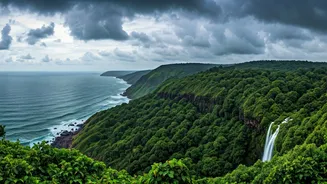
The monsoon awakens hundreds of temporary waterfalls that cascade down the hillsides of the Ghats, often right alongside the road. You can spend an entire day just “waterfall hopping,” finding a safe spot to pull over and marvel at the sheer force of nature. Some are gentle streams, while others are thunderous torrents. The beaches, too, take on a different character. Instead of sunbathers and swimmers, you’ll find dramatic, windswept shores pounded by powerful waves. While swimming is often unsafe and prohibited during the monsoon, walking along an empty, misty beach in Ganpatipule or Vengurla offers a kind of moody solitude that’s just as profound as a sunny day.
The Ultimate Rainy-Day Comfort Food
A rainy road trip requires the right soundtrack and, more importantly, the right snacks. The Konkan delivers in spades. Roadside stalls, or “dhabas,” become essential pit stops, offering shelter from a downpour and a menu of perfect rainy-day food. Imagine sipping a cup of hot, milky, spiced tea—known as chai—while watching the rain. Or biting into freshly fried onion fritters (kanda bhajiyas) and potato dumplings (batata vadas), served piping hot with spicy chutney. This isn’t fancy dining; it’s simple, hearty, and deeply satisfying. As you get closer to the coast, the menus fill with incredible Malvani seafood curry, made with fresh coconut and a complex blend of spices that provides a perfect warmth against the damp air.
Key Stops for the Monsoon Itinerary
While the whole route is scenic, a few towns are worth making a priority. Ratnagiri, the birthplace of a key Indian independence leader, is famous for its forts and as the heart of Alphonso mango country (though the fruit season is pre-monsoon, the groves are stunningly green). Nearby Ganpatipule is home to a serene beach and a famous temple. Further south, Malvan and Tarkarli offer a glimpse into the region’s unique culture and cuisine, with snorkeling and scuba diving available in the clearer post-monsoon months but beautiful coastal views year-round. These towns are less about ticking off sights and more about soaking in the slow, rain-drenched atmosphere of coastal life.