


An Escape from the Checklist
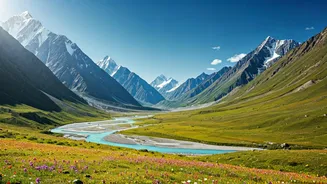
For many American travelers dreaming of the Himalayas, the mind jumps to the Everest Base Camp trek in Nepal or the bustling spiritual hubs of Dharamshala in India. These are incredible, world-famous destinations. They are also, increasingly, destinations defined
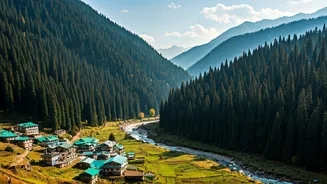
by crowds and commercial infrastructure. Tirthan Valley, nestled in the Kullu district of Himachal Pradesh, offers a compelling alternative. It’s the quiet cousin to its boisterous neighbor, Manali, deliberately sidestepping the path of mass tourism. Here, there are no sprawling resorts, no multi-story shopping malls, and no pressure to tick off a list of sights. The valley, a core part of the Great Himalayan National Park Conservation Area, has chosen a different path. It's a place where development is intentionally small-scale, centered around eco-tourism and community-run initiatives. The result is a travel experience that feels less like a transaction and more like a welcome.
The River That Guides You
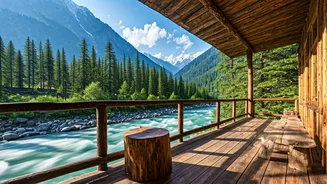
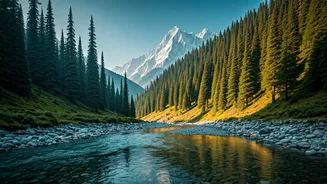
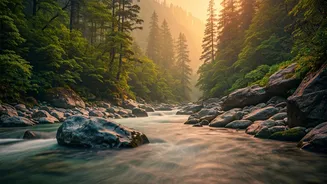
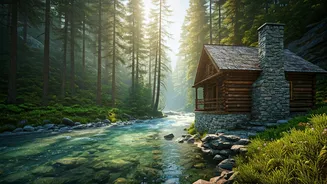
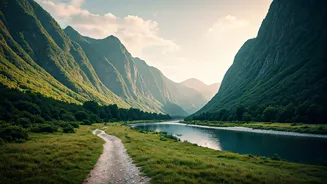
The valley’s pulse is the Tirthan River. This isn't a passive, distant landscape feature; it’s an active participant in your journey. The sound of its crystal-clear water rushing over smooth stones is the constant soundtrack of the valley. It’s the view from your homestay window, the backdrop for an afternoon walk, and the source of the region’s famous rainbow trout. Anglers from around the world are drawn to its banks for catch-and-release fishing, a meditative pastime that forces a slow, observant pace. But even for non-anglers, the river dictates the rhythm of life. You’ll find yourself crossing it on rickety wooden bridges, picnicking on its grassy banks, or simply sitting on a boulder, mesmerized by the flow. It’s a powerful, grounding force that washes away the static of modern life, reconnecting you to a more natural clock.
Homestays, Not Hotels
The true heart of Tirthan’s personal feel lies in its accommodation. Instead of anonymous hotels, the valley is dotted with family-run homestays. These aren’t just a place to sleep; they are an invitation into a local home. You don't check in at a front desk; you’re often greeted by the family patriarch or matriarch with a warm cup of chai. Meals are typically communal, cooked in the family kitchen with ingredients grown in the garden just outside. You might find yourself learning how to prepare a local Himachali dish or simply listening to stories about village life around a crackling bonfire. This isn't forced cultural immersion; it’s a genuine exchange. You are a guest, not just a room number. This simple shift transforms a trip into a relationship, creating memories rooted in human connection, not just stunning scenery.
The Silent Majesty of the Park
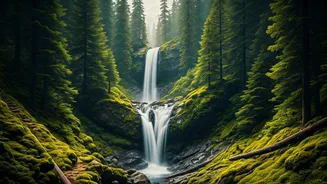
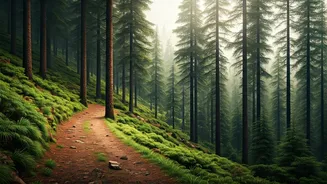
The valley serves as the gateway to the Great Himalayan National Park, a UNESCO World Heritage Site. This protected expanse is a paradise for trekkers and nature lovers, home to elusive wildlife like the snow leopard and the Himalayan tahr. But you don’t need to be a seasoned mountaineer to experience its magic. Short, well-marked trails lead from the valley floor into serene pine and deodar forests, passing hidden waterfalls and tiny, isolated hamlets. The silence here is profound, broken only by birdsong and the rustle of leaves. A trek in Tirthan isn’t about conquering a peak. It’s about wandering, listening, and being present in a landscape that feels ancient and untouched. It’s a personal dialogue between you and the wilderness, a chance to find a sense of scale and perspective that is often lost in our busy lives.