



Moving Beyond the Buffet Mentality
Think of the last time you went out for Indian food. Chances are, the experience involved rich, creamy sauces, piles of fluffy naan, and a feeling of comfortable, nap-inducing fullness. For decades, the American perception of Indian cuisine has been dominated
by a specific, Northern Indian-inspired, post-colonial British curry house model. Dishes like chicken tikka masala, saag paneer, and malai kofta—delicious as they are—became the unofficial ambassadors for an entire subcontinent's culinary tradition. This created a perception of Indian food as an indulgent, once-in-a-while treat rather than everyday fare. But a quiet revolution is underway. A new generation of chefs and restaurateurs are pushing back against this monolithic stereotype. They are moving away from the all-you-can-eat buffet model that prizes quantity over nuance and are instead curating menus that reflect a more authentic, and often lighter, way of eating. This isn't a rejection of flavor; it’s a re-centering of it, proving that Indian food doesn't need a pound of butter to be profoundly satisfying.
Wellness as a Byproduct, Not a Slogan
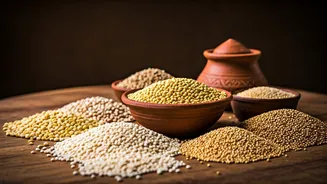
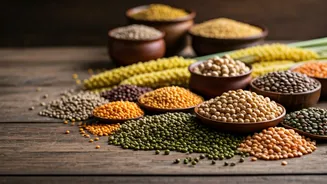
The most fascinating part of this trend is how it’s being communicated: silently. You won’t find menus plastered with calorie counts, heart-healthy logos, or promises to “detox” you. The “wellness” is baked into the philosophy, not the marketing. This approach draws from ancient traditions like Ayurveda, which views food as medicine and emphasizes balance, seasonality, and the digestive properties of spices. But you don't need to know anything about doshas or chakras to benefit. Chefs are simply applying these principles in the background. They’re using ghee (clarified butter) for its digestive benefits, turmeric for its anti-inflammatory properties, ginger and garlic for immunity, and a complex array of seeds and legumes for fiber and protein. The wellness comes from the inherent wisdom of the cuisine, presented without a preachy, GOOP-style overlay. The menu describes the dish, its origin, and its ingredients, and trusts the diner to understand that food cooked with care, using fresh, whole ingredients, is naturally good for you.
The Power of Regional Diversity
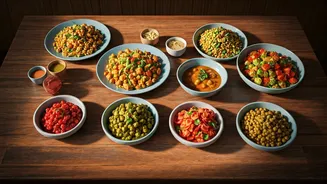
The key to unlocking this healthier side of Indian food has been the explosion of regionality. India is a vast country with dozens of distinct culinary traditions, many of which are predominantly plant-based, rely on steaming or grilling over frying, and use tamarind, coconut, or yogurt for tang and texture instead of heavy cream. As chefs gain the confidence to serve the food they grew up with, Americans are discovering the revelation that is non-buffet Indian food. Menus are now proudly featuring the coastal flavors of Goa and Kerala, with their light seafood curries and fermented rice batters. You'll find dishes from Bengal that masterfully balance sweet and savory notes, or humble but deeply flavorful lentil and vegetable stews from Gujarat. South Indian staples like dosas (crispy lentil and rice crepes) and idlis (steamed rice cakes) are being recognized not just as breakfast foods but as the light, gluten-free, and gut-friendly options they've always been. This diversification is the single most important factor in changing the perception of the cuisine from heavy to holistic.
Letting the Ingredients Speak
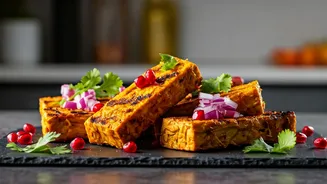
The new menus speak a different language. Instead of generic descriptions like “mixed vegetables in a mild sauce,” you’ll see specific, evocative language that highlights the quality and source of the ingredients. A menu might describe “heirloom tomatoes with black mustard seed and curry leaf” or “hickory-smoked chicken with fenugreek.” This shift does two things. First, it educates the diner, connecting them more deeply to the food and its agricultural roots. Second, it telegraphs freshness and quality. When the focus is on a perfect piece of fish or a locally sourced vegetable, there’s no need to mask it with a heavy-handed sauce. This is a sign of immense confidence. These chefs are no longer trying to conform to a perceived American palate. They are presenting their culture’s food on its own terms, betting—correctly, it seems—that diners are ready for the real thing. The result is food that feels both modern and ancient, exciting and comforting, and nourishing in a way that goes far beyond simple nutrition.