




An Unexpected Urban Oasis
To an outsider, Delhi can seem like the antithesis of nature. Mention the Indian capital, and images of smog-choked skies, sprawling concrete, and snarled traffic are what likely come to mind. And while those realities exist, they don't tell the whole
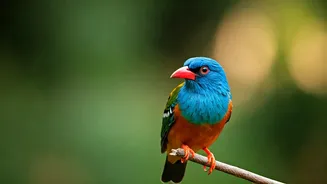
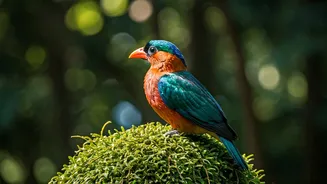
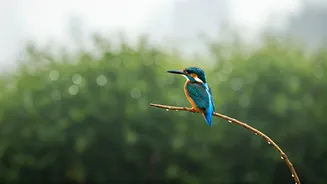
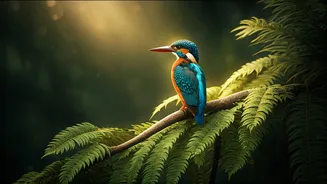
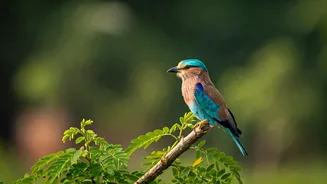
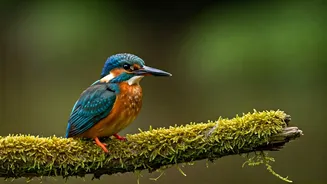
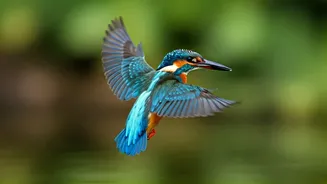
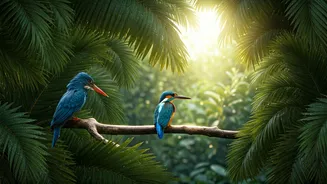
story. Woven into the fabric of this ancient, chaotic megacity are surprising pockets of wilderness. The sprawling Lodi Gardens, the rugged Central Ridge forest, and the wetlands along the Yamuna River form a network of green lungs that harbor an astonishing diversity of life. For decades, these spaces were appreciated mostly by morning walkers and picnicking families. But now, a new generation is looking closer and seeing something more: a vibrant ecosystem worthy of study and celebration. They are discovering that Delhi is home to hundreds of bird species, from majestic eagles to jewel-toned sunbirds, alongside jackals, porcupines, and a dazzling array of insects and butterflies.
The New Face of Naturalism
The term “nature nerd” used to conjure images of solitary, binocular-clad retirees. Not anymore. In Delhi, the movement is being driven by a diverse crowd: young software engineers, college students, artists, and families with kids. Armed with smartphones and a shared sense of curiosity, they are transforming birdwatching and nature walks from a niche hobby into a vibrant, community-driven pursuit. Weekend mornings see parks filled with groups led by volunteer experts, their WhatsApp channels buzzing with alerts about rare sightings—a Eurasian eagle-owl at the Okhla Bird Sanctuary, or a flight of flamingos passing through. This isn't a passive activity; it’s a social one, built on shared discovery and a collective desire to document and understand the city’s natural heritage. Groups like the Delhi Bird Foundation and other local clubs have become central hubs, organizing walks, talks, and festivals that are drawing newcomers in droves.
The Pandemic and a Digital Tailwind
So, why now? The most significant catalyst was, paradoxically, the global pandemic. During the strict COVID-19 lockdowns, as the city’s relentless noise fell silent, nature rushed into the vacuum. Birds seemed louder, their songs no longer drowned out by traffic. Peacocks were spotted in empty intersections. With nowhere else to go, people began noticing the life in their own backyards and balconies. This newfound awareness was amplified by technology. Smartphone apps like eBird, a global birding database from the Cornell Lab of Ornithology, allow anyone to become a citizen scientist, logging their sightings and contributing to a global dataset. High-quality phone cameras and the visual appeal of Instagram made sharing discoveries easy and exciting. The combination of forced local focus and powerful digital tools created a perfect storm, turning casual interest into a full-blown movement.
More Than Just a Hobby
This trend is about much more than just spotting a pretty bird. It represents a profound shift in the relationship between city dwellers and their environment. By identifying, documenting, and sharing information about local wildlife, these amateur naturalists are creating an invaluable record of Delhi's biodiversity. This data can inform urban planning and conservation efforts, helping protect the very green spaces that make the city livable. For the participants, it’s a form of urban mindfulness—an antidote to the stress and digital saturation of modern life. It fosters a sense of place and stewardship, turning residents into advocates for their local ecosystems. In a city often defined by its environmental challenges, this grassroots movement is a powerful source of hope and a testament to the resilience of both nature and the human spirit.