






The Foundation: What Is Ekadashi?
To understand this specific fast, we first need to understand the tradition it belongs to. In the Hindu lunar calendar, 'Ekadashi' marks the eleventh day of each of the two lunar fortnights in a month—the waxing moon (Shukla Paksha) and the waning moon (Krishna
Paksha). This means there are typically 24 Ekadashis in a year. For devout followers of Lord Vishnu, these days are designated for spiritual cleansing, prayer, and, most notably, fasting. The fast, or 'vrat,' can vary in strictness. Some devotees abstain from grains and legumes, consuming only fruits and dairy, while others might observe a more rigorous fast. It's a recurring rhythm of devotion, a bi-monthly opportunity to focus the mind on spiritual matters over worldly consumption.
Introducing the 'Super Fast'
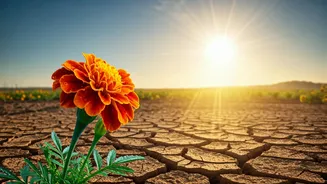
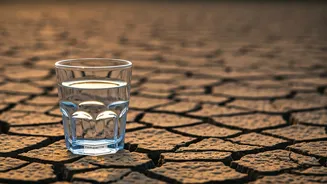
The headline refers to a specific observance known as Nirjala Ekadashi. The name itself is the key: 'Nirjala' translates to 'without water.' While other Ekadashi fasts allow for the consumption of water and certain foods, Nirjala Ekadashi is the most stringent of all, demanding complete abstinence from both food and water for a full 24 hours—from sunrise on the Ekadashi day to sunrise the following day. This formidable fast falls during the Hindu month of Jyeshtha (typically May or June), a period that coincides with the peak of summer heat in the Indian subcontinent. This timing is no coincidence; the extreme difficulty of forgoing water in scorching heat is central to the fast's power and significance.
The Story of a Hungry Hero
The origin of Nirjala Ekadashi is tied to a famous story from the Hindu epic, the Mahabharata. The tale centers on Bhima, the second of the five Pandava brothers, known for his immense strength and equally immense appetite. Bhima found it impossible to observe the regular Ekadashi fasts; his hunger, known as 'Vrikodara' (wolf-stomach), was too powerful. Distressed that he couldn't show his devotion to Lord Vishnu like his brothers and wife, he sought the counsel of the revered sage Vyasa. Understanding Bhima’s plight, Vyasa offered a compassionate compromise: if he could observe just one Ekadashi per year with absolute strictness—the Nirjala Ekadashi—he would gain the spiritual merit of observing all 24 Ekadashis. Bhima agreed, and since then, the fast has also been known as Bhimseni Ekadashi.
A Test of Mind and Body
The physical and mental challenge of Nirjala Ekadashi cannot be overstated. By scheduling it during Jyeshtha, the practice demands extraordinary willpower and faith. Enduring the heat without a single drop of water is a profound act of penance and self-control ('tapasya'). For observers, it's not merely about deprivation; it's about detaching from physical needs to achieve a higher state of spiritual consciousness. The intense physical discomfort is seen as a way to purify the body and mind, burning away negative karma and focusing all of one's energy on devotion. This extreme discipline is precisely why the fast is held in such high regard and is not undertaken lightly, especially by those with health conditions.
The Ultimate Spiritual Payoff
This brings us back to the headline's claim: that this one fast carries the merit of all others. Within the belief system, the logic is straightforward. The spiritual 'merit' (punya) gained from a devotional act is often proportional to the difficulty and sincerity with which it is performed. Because Nirjala Ekadashi is the most arduous fast, requiring a level of sacrifice that encompasses the spirit of all other, less-demanding fasts, it is believed to deliver a consolidated spiritual reward. By successfully completing this single, intense day of devotion, a follower demonstrates a commitment equivalent to what would be shown over an entire year of regular observances. It’s seen as a powerful expression of faith, accessible even to those who, like Bhima, may find it difficult to maintain a strict bi-weekly regimen.