




More Than Just a Fruit
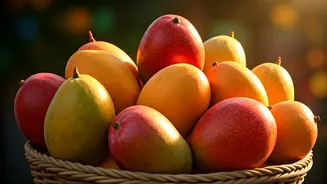
In the United States, a mango is a welcome tropical treat, a sweet addition to a smoothie or salsa. In India, it’s an obsession, a cultural icon, and the undisputed 'king of fruits.' The arrival of mango season in the subcontinent is an event unto itself,
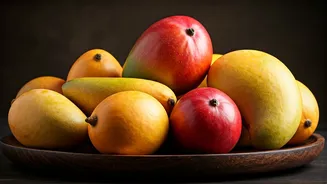
signaling the true beginning of summer. It’s woven into poetry, mythology, and everyday life. Children wait all year for that first taste, families have fierce debates over which variety is superior—the honey-sweet Chaunsa, the tangy Langra, the famously rich Alphonso—and the fruit is a common gift representing auspiciousness and affection. Understanding this deep-seated reverence is key to grasping why a festival dedicated to it isn't just a food fair; it's a vibrant cultural pilgrimage.
A Festival of a Thousand Flavors
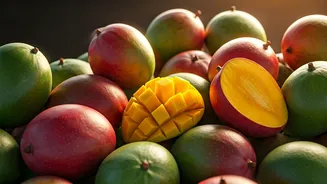
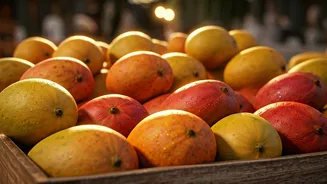
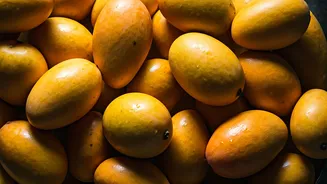
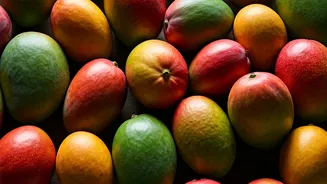
The heart of this celebration is the Delhi International Mango Festival, typically a multi-day affair held in early summer. While the headline points to 2026, this annual event gives us a brilliant preview of what to expect. Forget the one or two types of mangoes you see at your local grocery store. Here, you’ll find hundreds of cultivated varieties laid out in a dizzying, colorful display. Growers from across India bring their prized harvests, with some specimens weighing several pounds and others small enough to fit in your palm. There are mangoes with notes of citrus, honey, and even spice. The main event for many attendees is the all-you-can-eat mango competition, where participants pay a small fee for the glorious, messy challenge of eating as many mangoes as possible within a time limit. It's a joyous, sticky, and utterly unforgettable spectacle.
Beyond the Tasting Tables
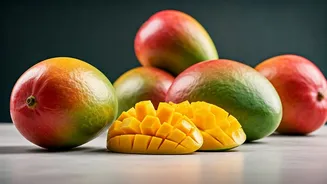
While the fruit itself is the star, the festival is a full-bodied cultural experience. Artisans demonstrate intricate mango carving, transforming the fruit into delicate flowers and elaborate sculptures. Renowned chefs host cooking demonstrations, revealing how mangoes are used in everything from tangy pickles (achar) and cooling yogurt drinks (lassi) to complex curries and decadent desserts. You can sample and buy countless mango-based products, including chutneys, jams, juices, and even mango-infused beauty products. Interspersed between the food stalls are stages for live music and traditional dance performances, creating a carnival atmosphere that celebrates not just the mango, but the rich agricultural and cultural tapestry of India.
Planning Your Mango Pilgrimage
For any American foodie or intrepid traveler with an eye on 2026, a trip to the Delhi Mango Festival is a bucket-list-worthy goal. Typically held in late June or early July, it’s organized by Delhi Tourism at venues that have included the Dilli Haat outdoor marketplace—a perfect setting that already showcases Indian crafts and food. The weather will be hot and humid, but that’s the environment in which mangoes thrive. Be prepared for crowds, as the event is beloved by locals and tourists alike. The best strategy is to arrive early, stay hydrated, and embrace the sensory overload. Don’t be shy about asking growers about their mangoes; their pride and knowledge are a huge part of the experience. It’s a chance to taste varieties that rarely, if ever, make it to Western shores, straight from the source.