






The Shifting Global Menu
For decades, the promise of travel has been intertwined with tasting the authentic flavors of a place. But the very definition of what’s “local” is becoming unstable. In France’s famed Bordeaux region, winemakers are now legally permitted to plant grape
varieties better suited to hotter, drier conditions—a once-unthinkable concession to climate reality. In California, vintners are grappling with wildfires that can ruin entire harvests with “smoke taint,” an ashy, unpalatable flavor. The same story is playing out for other beloved products. The delicate Arabica coffee bean, which thrives in specific high-altitude climates, is under threat from rising temperatures in Central and South America. This could make a quality cup of coffee a rarer, more expensive luxury. Likewise, warming oceans and acidification are stressing marine ecosystems, changing the availability of fish and shellfish in coastal destinations from Maine to the Mediterranean. The iconic cod of the North Atlantic is shifting its territory northward, and tropical coral reefs that shelter countless fish species are in peril.
When ‘Eating Local’ Gets Complicated
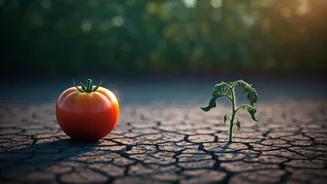
The farm-to-table movement, which championed eating locally sourced ingredients, was a cornerstone of modern culinary travel. The ethos was simple: fresh, authentic, and with a low carbon footprint. Climate change complicates that beautiful equation. When a region’s signature crop fails or a local fish population declines, restaurants and hotels face a difficult choice: import ingredients from farther away, or take the cherished item off the menu. This creates a ripple effect. Flying in produce or seafood dramatically increases the carbon footprint of a meal, ironically contributing to the very problem that caused the shortage. It also disconnects the traveler from the terroir—the unique environmental context that gives food its character. That sun-ripened tomato in Italy tastes different for a reason. When it’s replaced by a greenhouse-grown import from Northern Europe, the magic is lost, and the experience becomes less authentic. The overlap becomes a vicious cycle: our travel creates a carbon footprint, which impacts local food, which then requires more carbon-intensive imports to satisfy traveler expectations.
A New Kind of Culinary Travel
But the story isn't just about loss. This disruption is forcing a creative and necessary evolution in the worlds of food and travel. Chefs, farmers, and even tourists are adapting to the new reality. In some coastal areas, chefs are pioneering the use of invasive species, turning ecological pests into delicious, sustainable menu items. Think of eating lionfish in the Caribbean—a fish that devastates local reefs but is a flaky, delicious alternative to overfished grouper. Simultaneously, a new travel trend is emerging: regenerative agritourism. This goes beyond simply visiting a farm. Travelers are paying to participate in sustainable agriculture, helping to plant climate-resilient crops or restore soil health. It’s a hands-on way to connect with a destination’s food system and be part of the solution. Wineries are experimenting with ancient, drought-resistant grape varieties, and tour operators are designing trips focused on climate-conscious foodways. This shift reframes “authenticity” not as something static and traditional, but as a dynamic process of adapting to a changing world.