


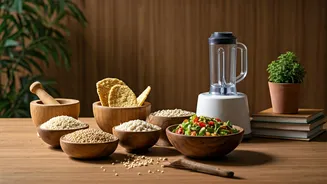
The Ancient Grain's Modern Comeback
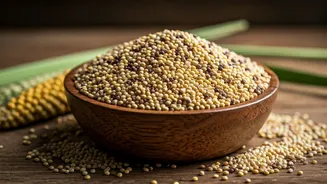
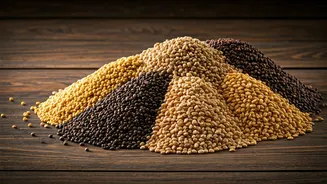
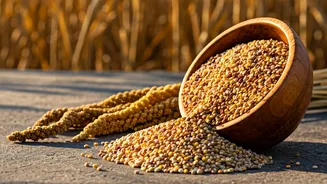
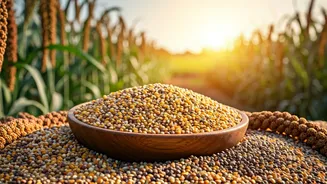
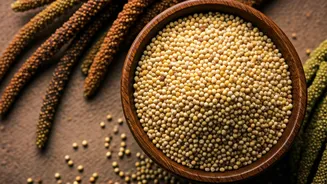
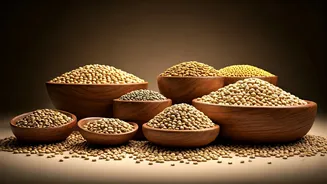
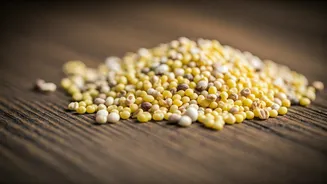
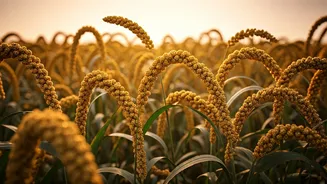
For thousands of years, millets were a foundational food for civilizations across Africa and Asia. These small-seeded grasses, a group that includes varieties like pearl, foxtail, and proso, were prized for their resilience and reliability. But in the modern
American food system, they were largely overshadowed by the titans of industrial agriculture: corn, wheat, and rice. Often relegated to birdseed in the U.S., millets were all but forgotten on the dinner plate. That’s finally changing. A convergence of culinary curiosity and environmental consciousness is putting millets back on the menu. Declared the "International Year of Millets" in 2023 by the United Nations, these grains are being recognized not as a relic of the past, but as a potential food of the future. And it’s in the creative hands of chefs that their public rehabilitation is truly taking shape.
A Canvas for the Seasons
The headline's link to “seasonal dining” isn’t about millet itself being a fleeting seasonal crop like ramps or strawberries. Rather, its resurgence is tied to the philosophy of seasonal cooking. Chefs love millet because it’s a versatile, year-round pantry staple that provides a perfect backdrop for whatever is fresh from the farm.
Cooked one way, millet can become a creamy, polenta-like base for a spring pea and mushroom ragout. Puffed or toasted, it adds a nutty crunch to a summer salad. In the fall, its earthy flavor complements roasted root vegetables and hearty braises. It can be ground into flour for gluten-free flatbreads or fermented into drinks. This adaptability makes it a secret weapon for chefs who build their menus around the rhythm of the seasons, offering a consistent textural element that can be paired with an ever-changing cast of ingredients.
Good for the Plate, Good for the Planet
The appeal of millets extends far beyond their culinary flexibility. For a growing number of chefs and consumers focused on sustainability, these grains are a powerhouse. They are exceptionally hardy, thriving in arid conditions and poor soil where other crops falter. This drought resistance makes them a climate-smart choice, requiring significantly less water than rice or wheat—a crucial advantage in an era of increasing water scarcity.
Nutritionally, they also pack a punch. Naturally gluten-free, millets are a boon for a growing segment of diners. They are rich in protein, fiber, and essential minerals like magnesium and iron. This combination of ecological and nutritional benefits is a powerful driver of the trend, transforming millet from a mere ingredient into a statement about a more resilient and thoughtful food system.
Bringing Millet into Your Kitchen
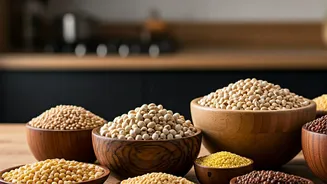
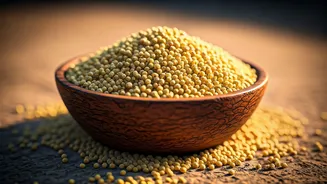
While chefs are leading the charge, millet is an incredibly friendly grain for the home cook. It cooks faster than many other whole grains, often ready in 20-25 minutes. The most common variety you’ll find in American grocery stores is proso millet, which has a mild, slightly sweet flavor.
To start, try using it as a simple swap for rice or quinoa. Cook one part millet with two parts water or broth for a fluffy side dish. For a creamy porridge, increase the liquid and stir frequently. You can also add a scoop of uncooked millet to soups and stews to act as a natural thickener. As you get more comfortable, explore its potential in grain bowls, veggie burgers, or even as a crunchy topping for salads after being pan-toasted. It's a simple, low-risk way to participate in one of modern dining's most meaningful trends.