

Beyond the Buffet Line
For many Americans, the experience of Indian food has been largely monolithic. The menus, heavy on North Indian and Punjabi dishes, were a product of the first waves of restaurateurs who opened establishments in the U.S. and the U.K. They offered what
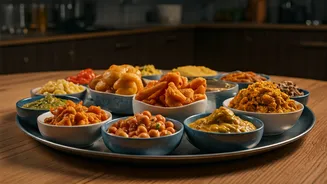
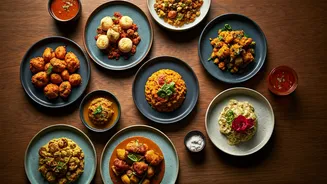
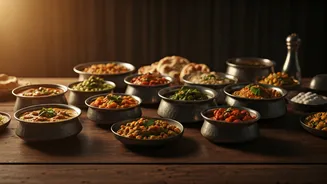
was familiar, easily adaptable, and proven to be popular with Western palates. Dishes like chicken tikka masala—a British-Indian invention—became the flag bearers for an entire subcontinent's cuisine. While delicious, this approach flattened the immense diversity of India’s culinary landscape. A country with 28 states and multiple union territories, each with its own distinct languages, traditions, and foodways, was reduced to a handful of creamy, tomato-based curries. The fiery fish curries of Goa, the delicate lentil preparations of Kerala, the savory street food of Mumbai, and the rustic meat dishes from the country's rural interior were largely absent from American fine dining.
The New Guard of Regional Specificity
Enter the new guard. Chefs like Chintan Pandya of New York’s Dhamaka and Semma, and Niven Patel of Ghee Indian Kitchen in Miami, are leading a revolution. They are not just cooking Indian food; they are cooking the food of specific places, villages, and even their own families. Their restaurants aren't just serving dinner; they're serving a story. At Dhamaka, Pandya’s menu is an electrifying tour of India’s forgotten or overlooked provincial classics—dishes you’d find at a roadside dhaba or in a home kitchen, but rarely in a restaurant. Think goat neck biryani and chili-spiked Rajasthani rabbit. Meanwhile, at Semma, chef Vijay Kumar earned a Michelin star—a first for a U.S. Indian restaurant—by cooking the food of his native Tamil Nadu in Southern India. Dishes like the snail curry (nathaikkari pirattal) are unapologetically authentic, celebrating ingredients and flavors previously deemed too “ethnic” or challenging for a mainstream American audience.
What Makes It Aspirational?
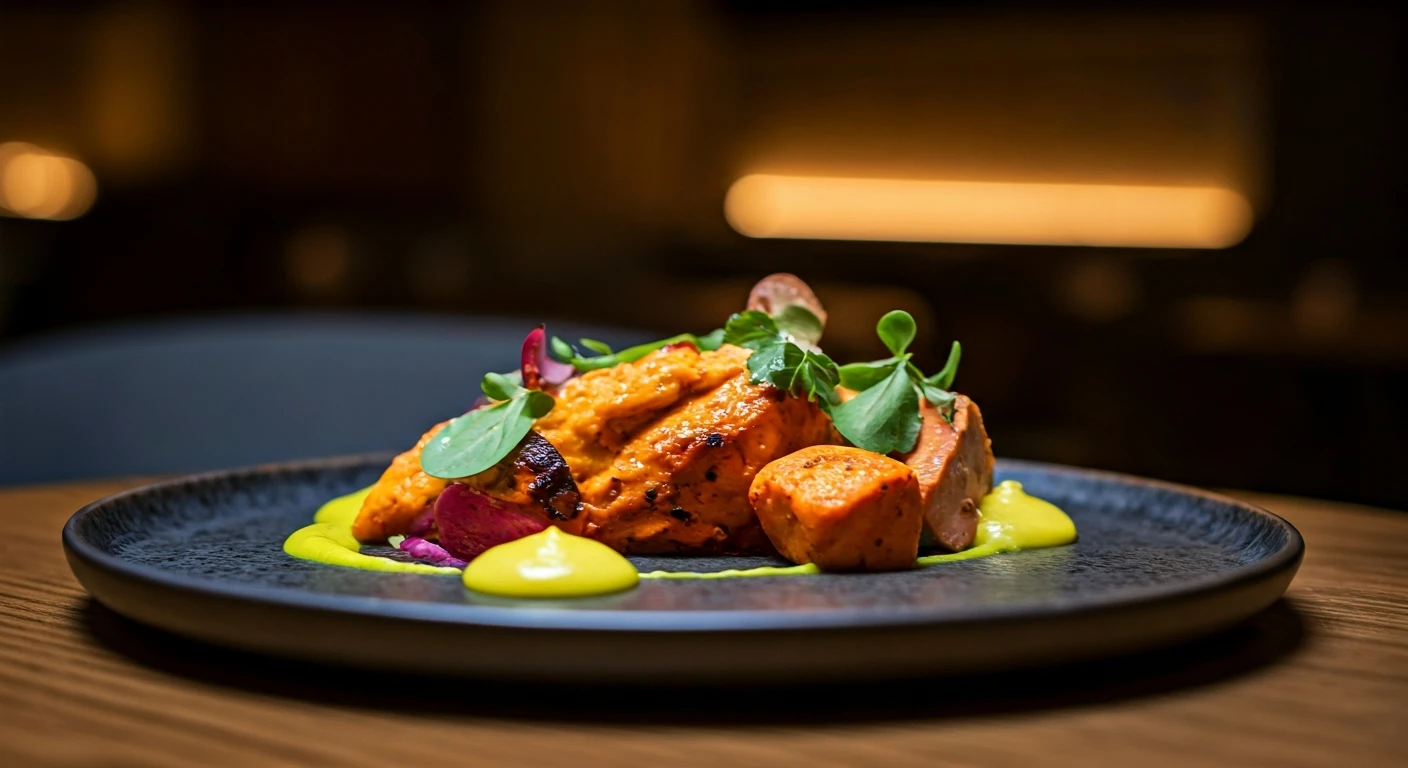
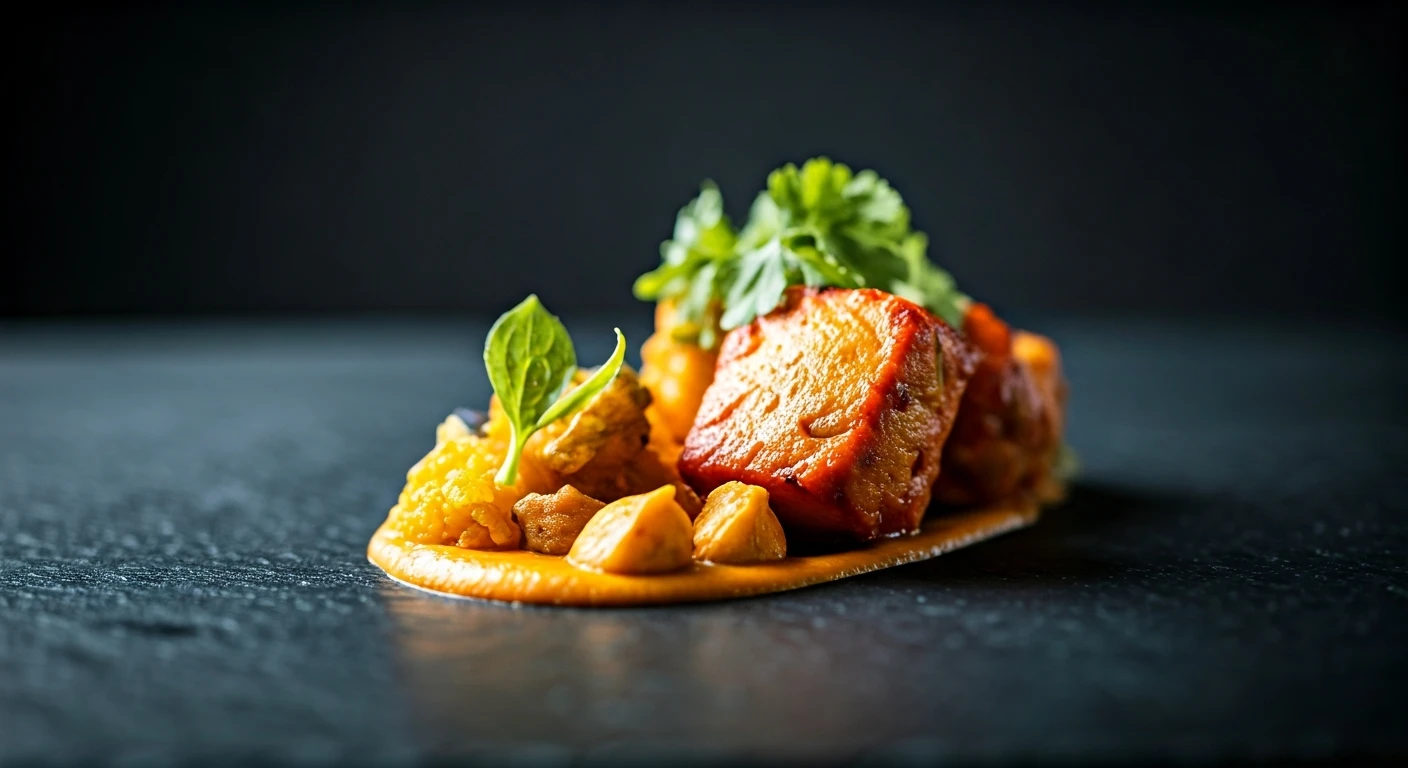
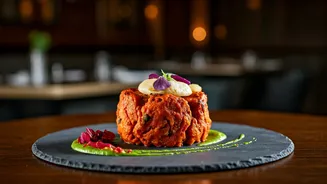
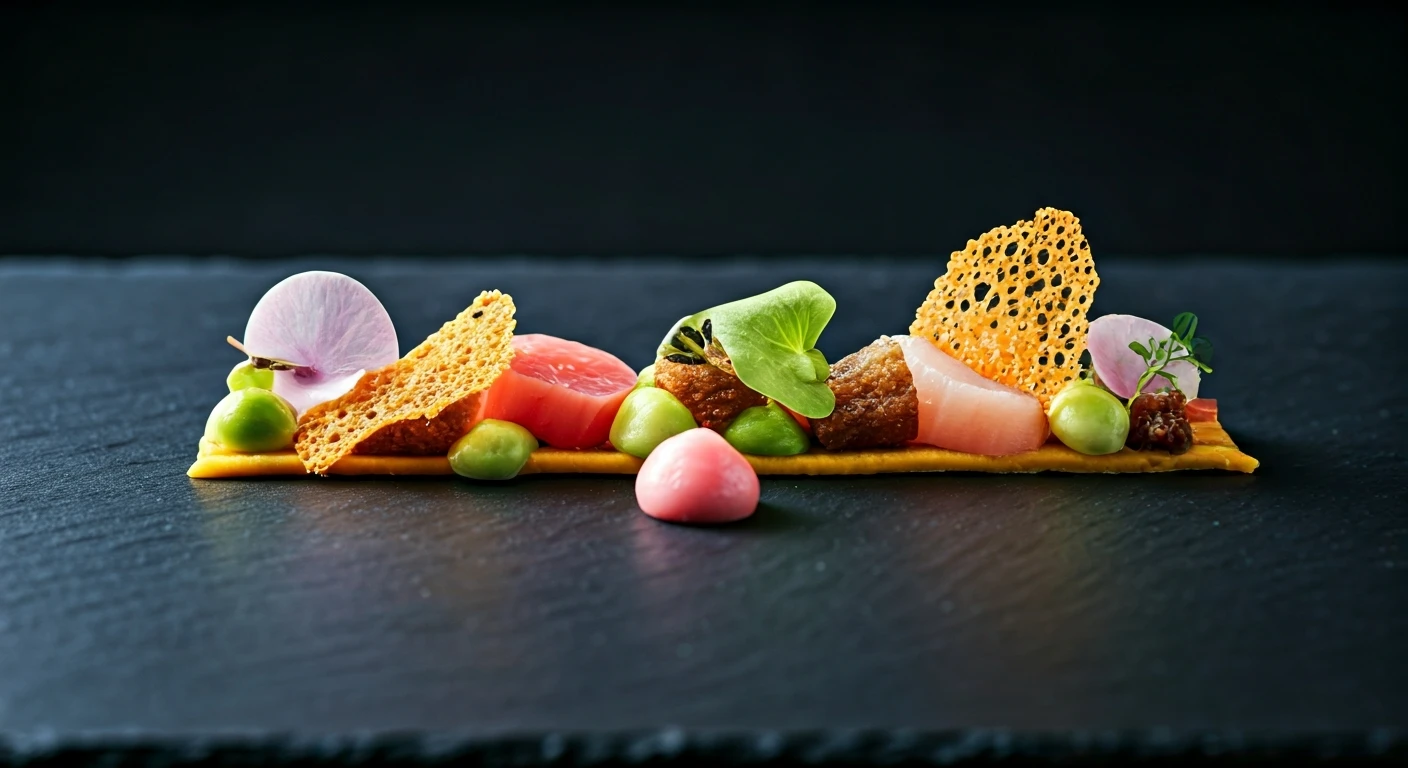
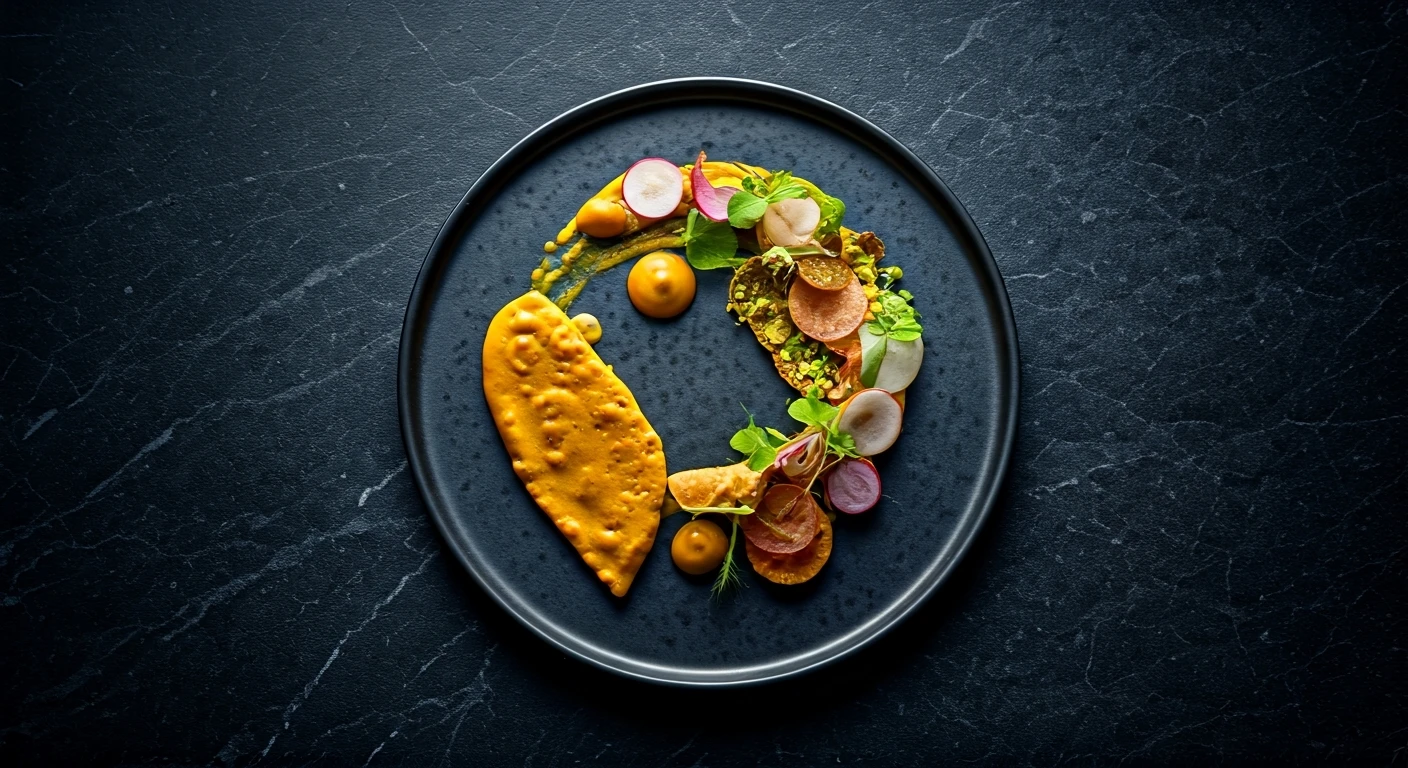
The key word in this trend is “aspirational.” These restaurants are not just about authenticity; they are about elevating regional Indian cuisine to the level of French, Italian, or Japanese fine dining. This is achieved through several deliberate choices. First, a focus on high-quality, meticulously sourced ingredients. Chef Patel, for example, grows much of his own produce at his farm in Florida for his Gujarati-inspired restaurant. Second, the ambiance is sophisticated and modern, shedding the often-dated decor of older-generation Indian eateries. Third, and most importantly, is the confidence in pricing. These chefs are charging what their labor, ingredients, and creativity are worth, positioning their food not as a cheap takeout option but as a destination-worthy experience. The critical acclaim, from Michelin stars to James Beard Awards, has followed, signaling to the world that this is cuisine to be taken seriously.
A Palate and a Culture, Evolved
So, why is this happening now? It’s a convergence of factors. American diners have become significantly more adventurous, seeking novel flavors and authentic stories behind their food. The rise of social media and food-focused media has created an audience hungry for the next big thing. Furthermore, the Indian diaspora in the U.S. has matured. A confident second generation of Indian Americans wants to see their heritage represented with pride and nuance, moving beyond the stereotypes. These chefs are cooking for themselves and their community as much as they are for a broader American audience. They are rejecting the need to water down flavors, confident that diners are ready to meet them where they are. This isn't just about food; it's a declaration of cultural confidence.