


More Than a Side Dish
For years, the story of Caribbean cuisine in America has been written with jerk chicken, braised oxtail, and curried goat. Delicious, yes, but only part of the picture. Now, a creative and compelling culinary movement is shifting the focus, proving that
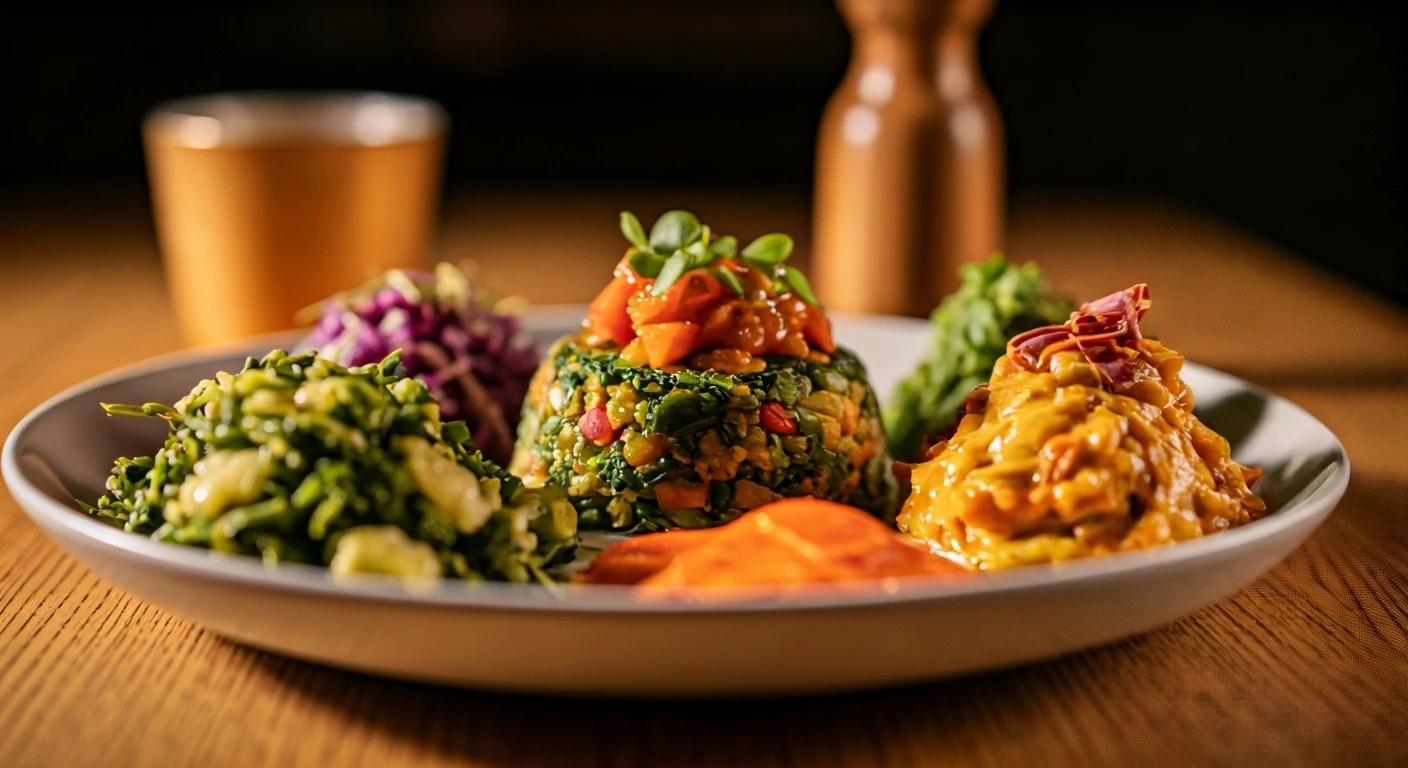
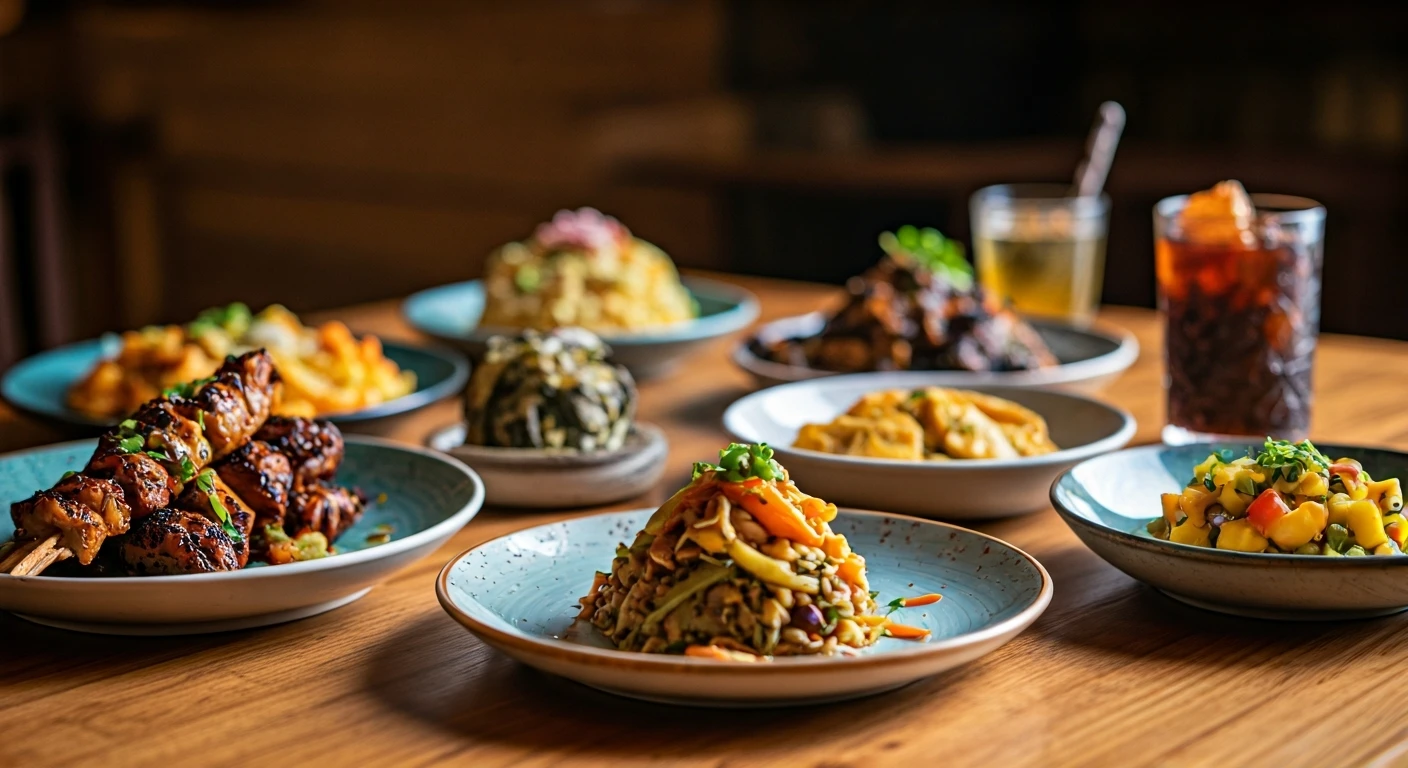
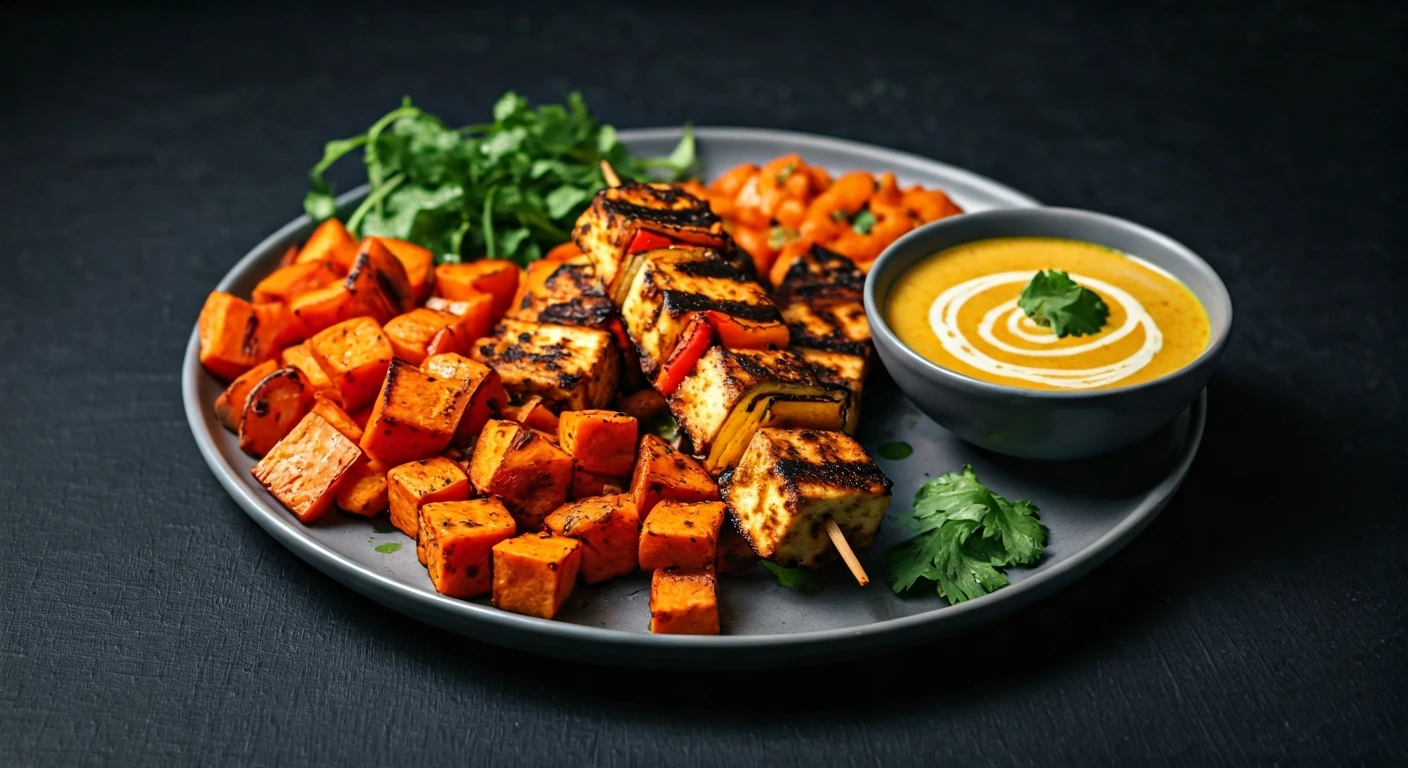
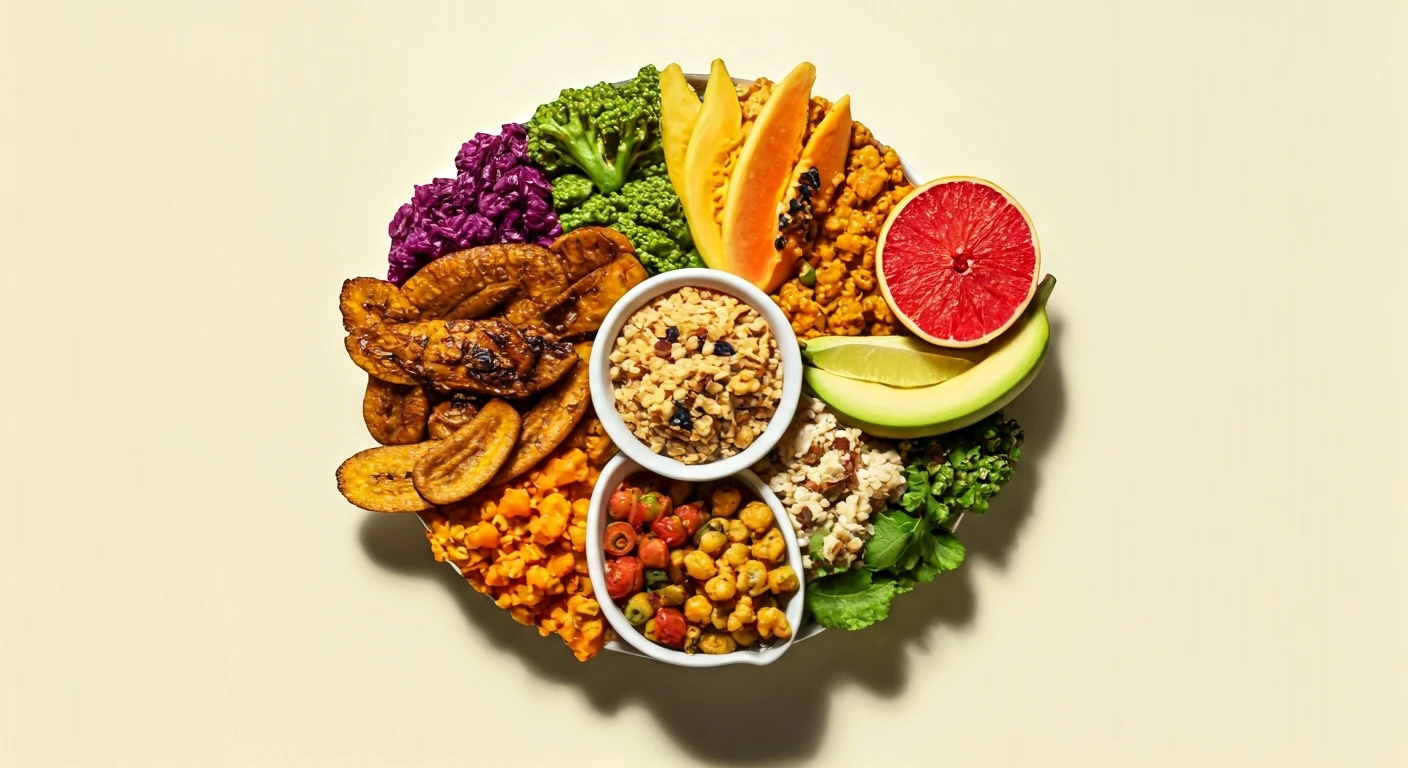
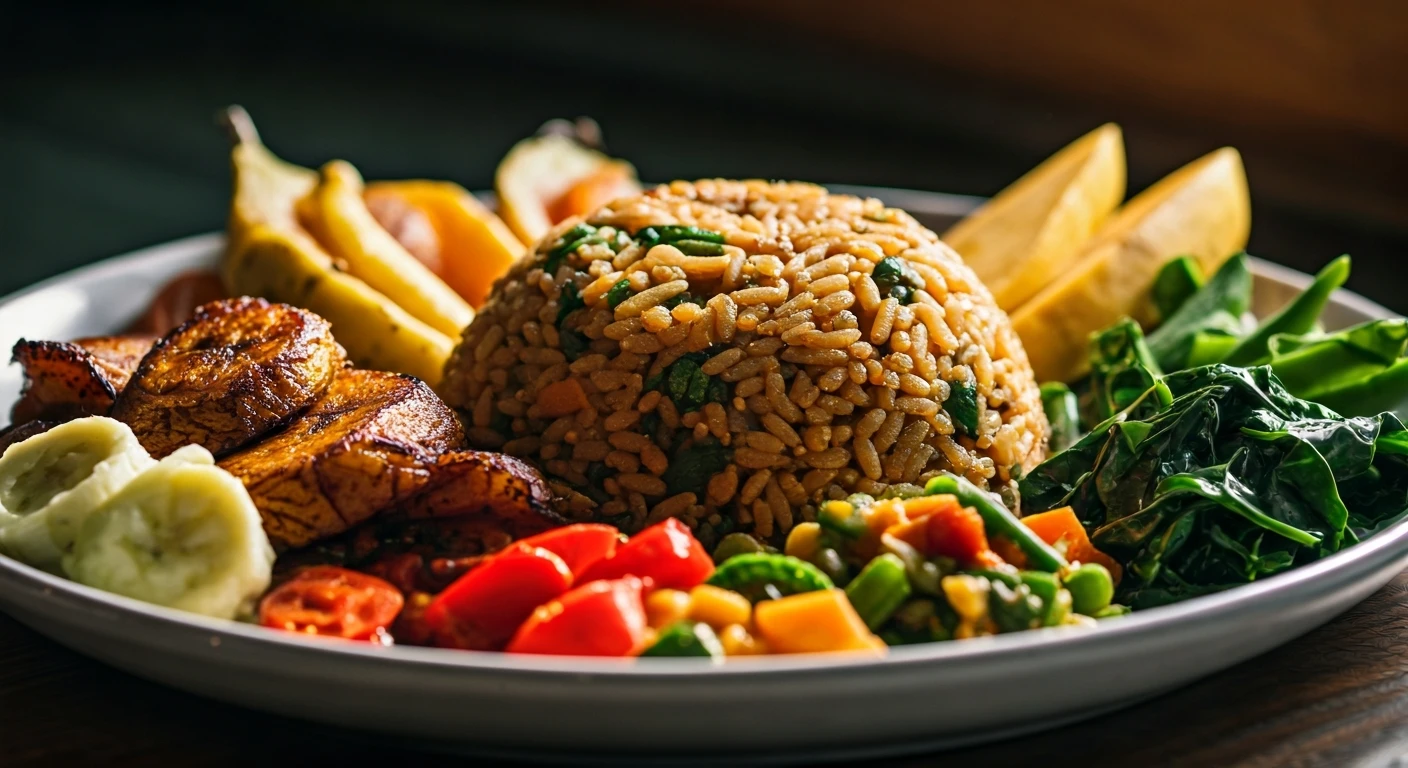
the region’s bold, complex flavors don't need meat to sing. From Brooklyn to Los Angeles, restaurants are crafting menus that are unapologetically Caribbean and entirely vegetarian or vegan. This isn't about blandly replacing meat with tofu; it's a fundamental reimagining of what the food can be. Chefs are using the deep pantry of Caribbean spices, marinades, and cooking techniques to elevate vegetables, fruits, and legumes from supporting roles to celebrated stars. Think crispy oyster mushrooms seasoned with a fiery jerk spice blend, or dense, meaty jackfruit slow-stewed until it rivals the texture of pulled pork. It’s a scene buzzing with innovation, attracting not just vegans but discerning food lovers of all stripes.
The Deep Roots of Plant-Based Caribbean Eating
While this trend might feel brand new to the American foodie scene, its foundations are deeply rooted in Caribbean history and culture. The most prominent influence is Ital, the plant-based dietary practice of the Rastafari movement, which emerged in Jamaica in the 1930s. The word “Ital” is derived from “vital,” reflecting a belief in eating pure, natural foods from the earth to enhance physical and spiritual well-being. Ital cuisine avoids meat, processed foods, and often salt, relying instead on the natural flavors of vegetables, fruits, grains, and a symphony of fresh herbs and spices. This long-standing tradition provides a rich, authentic playbook for modern chefs. They aren’t inventing plant-based Caribbean food from scratch; they are building upon a venerable legacy, adapting its principles for a contemporary, urban audience while honoring its cultural significance. This connection to a spiritual and holistic practice gives the movement an integrity that many food trends lack.
Reimagining the Classics with Flavor and Fire
The magic of this new wave lies in its culinary creativity. Chefs are deconstructing beloved national dishes and rebuilding them with plant-based ingenuity. In New York, spots like the acclaimed Cadence have gained national recognition for dishes like their vegan Southern Fried Lasagna, but the ethos extends to the broader movement. Imagine a “fish” cake made not from salt cod but from hearts of palm and ackee, seasoned with thyme and Scotch bonnet pepper, then fried to golden perfection. Picture “oxtail” made from slow-braised mushrooms and seitan, rich with the flavors of allspice and brown sugar, served over creamy rice and peas. Jamaican patties, traditionally filled with spiced ground beef, are being reborn with fillings of curried lentils, callaloo, or savory pumpkin. These dishes aren't 'lesser than' their meat-based counterparts. They are vibrant, texturally complex, and intensely flavorful creations in their own right, demonstrating a mastery of spices and techniques that proves plant-based cooking can be indulgent and soulful.
Why Now? A Perfect Culinary Storm
The explosion of veg-forward Caribbean cuisine is no accident. It’s the result of a perfect storm of cultural shifts. Firstly, the mainstreaming of veganism and plant-based diets has created a huge, eager audience for new flavors. Diners are more adventurous and health-conscious than ever, actively seeking out meals that are both delicious and ethically produced. Secondly, there’s a growing culinary curiosity about the diverse foodways within the African diaspora. Food lovers and chefs are finally looking beyond the Euro-centric canon to celebrate and explore the rich traditions of regions like the Caribbean. Finally, this movement is being led by a new generation of talented, mission-driven chefs—many of Caribbean descent—who are proud of their heritage and excited to share it in a modern context. They are using food as a medium for storytelling, connecting diners to their culture while pushing culinary boundaries.