


The Paralysis of Pantry Guilt
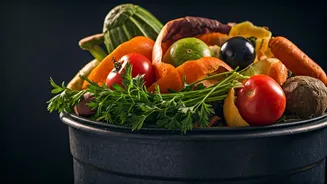
Let’s be honest: Guilt is a terrible motivator for long-term change. It’s a backward-looking emotion, one that fixates on the mistake you just made—the forgotten herbs, the aspirational kale, the half-used carton of buttermilk. This 'food waste guilt'
sends you into a shame spiral that’s more paralyzing than productive. You stand over the trash can, vow to do better next time, and then repeat the same cycle because guilt doesn’t teach you a new skill; it just punishes you for lacking one. The average American family throws out an estimated $1,500 worth of food each year, according to USDA data. Staring at that waste and feeling bad about it does nothing to solve the systemic issues or the personal habits that create it. It’s like trying to fix a leaky faucet by getting angry at the drip. The real solution isn't feeling worse; it's thinking differently.
From Waste to Opportunity
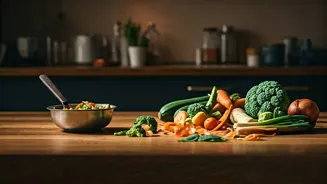
The most powerful shift you can make is to stop seeing at-risk food as a failure and start seeing it as an opportunity. This is the core of the low-waste meal mindset. That slightly soft bell pepper isn't a tragedy; it's the perfect candidate for a stir-fry. Those browning bananas aren't trash; they're future banana bread. The wilting cilantro can be blitzed into a vibrant pesto or sauce that you can use immediately or freeze for later. This reframing turns a chore into a creative challenge. Instead of asking, "What recipe do I want to make tonight?" you start asking, "What do I need to use up tonight?" This simple question flips the script from consumption to resourcefulness. You become a problem-solver in your own kitchen, turning potential waste into delicious, satisfying meals. The goal is no longer abstract 'waste reduction'—it's the concrete, rewarding act of cooking and eating good food.
Master the "Kitchen Sink" Meal
The hero of the low-waste kitchen is the 'kitchen sink' meal—a flexible dish that can absorb whatever odds and ends you have on hand. These are your secret weapons against food spoilage. Think frittatas and scrambles, which welcome any combination of leftover cooked vegetables, cheese, and herbs. Consider stir-fries and fried rice, the perfect destination for that lone carrot, half an onion, and small portion of protein. Soups are another champion. You can simmer almost any vegetable into a flavorful broth or blend them into a creamy soup. Grain bowls are modern, customizable canvases for roasted veggies, leftover grains, and a simple dressing. By mastering two or three of these adaptable meal formats, you create a built-in system for using what you have. It’s not about following a rigid recipe but about applying a flexible template.
Build a "Use-It-Up" Shopping List
A low-waste mindset changes how you shop. Before you even think about going to the store, do a full inventory of your fridge, freezer, and pantry. What needs to be eaten in the next few days? Build your meal plan around those items first. Your shopping list then becomes a tool for filling in the gaps, not starting from scratch. If you have chicken and wilting broccoli, maybe you just need to buy some garlic and lemon to make a simple roast. If you have a can of tomatoes and a lonely onion, perhaps all you need is pasta and a bit of parmesan. This 'shop your kitchen first' approach prevents you from buying redundant ingredients and ensures that what you already own gets used. It saves money, reduces waste, and simplifies the eternal question of what to make for dinner.
Embrace Your Freezer as a Pause Button
Too often, the freezer becomes a food graveyard where leftovers go to be forgotten. It's time to rebrand it as your kitchen’s most valuable tool: a 'pause button' for freshness. Made too much soup? Freeze single-serving portions for a future lunch. Have half a loaf of bread that’s about to go stale? Slice it and freeze it for toast. Bought a big bunch of parsley but only needed a tablespoon? Chop it, mix with olive oil, and freeze it in an ice cube tray for a ready-made flavor bomb. The freezer is your ally against the ticking clock of spoilage. It allows you to buy in bulk, preserve peak-season produce, and save small amounts of ingredients that would otherwise be discarded. Used strategically, it breaks the cycle of buy, wilt, and toss.