


More Than a Vegetarian Legacy
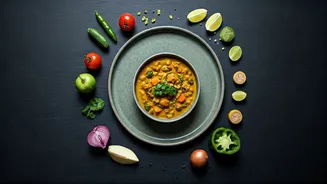
Indian cuisine has always been a haven for vegetarians. With its staggering diversity of lentils (dal), chickpeas (chana), and vegetables cooked in aromatic spices, it’s one of the most plant-forward food cultures on Earth. This isn't new. For centuries,
a significant portion of India's population has followed a vegetarian diet for religious, cultural, and economic reasons. However, the current shift isn't just about being meat-free; it's about a conscious, modern environmentalism. The new guard of Indian chefs in the U.S. is moving beyond the default vegetarianism of the past. They are asking tougher questions: Where do our ingredients come from? Are they in season? How can we reduce waste in a traditionally complex cuisine? This evolution marks the difference between being incidentally plant-based and being intentionally planet-minded.
The Farm-to-Tandoor Movement
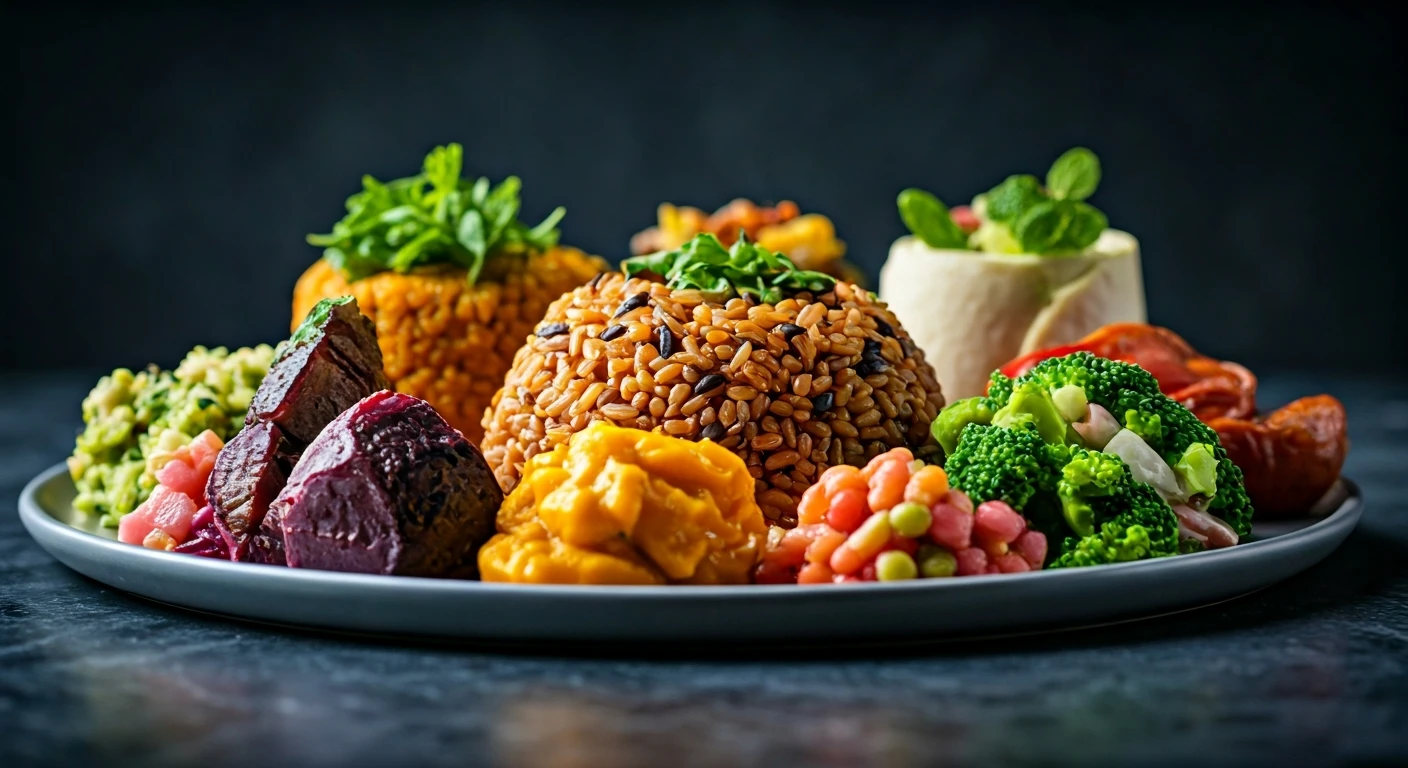
The farm-to-table ethos that revolutionized American and European fine dining over the past two decades has finally, and powerfully, arrived in Indian kitchens. Trailblazing chefs are building relationships with local farmers, sourcing everything from heirloom tomatoes for a vibrant kachumber salad to unconventional greens for a new take on saag. This approach represents a radical departure from the old model, which often relied on importing specific Indian vegetables and a pantry of standardized spices to replicate a taste of home. Instead, today's top Indian-American restaurants are embracing a sense of place. You might find a curry built around sweet butternut squash from a New England farm or a biryani featuring locally foraged mushrooms from the Pacific Northwest. This isn't just a trendy menu update; it's a fundamental rewiring of the supply chain that reduces food miles and supports local economies, all while creating dishes that are both innovative and deeply rooted in Indian culinary principles.
Rethinking 'Authenticity'
For many second-generation Indian-American chefs, the pressure to cook “authentic” food—often meaning food that tastes exactly like their grandmother's—can be creatively stifling. The sustainability movement is helping to break that mold. By prioritizing local ingredients, these chefs are forging a new definition of authenticity, one that is true to its heritage but also honest about its geography. As Chintan Pandya, the celebrated chef behind New York's Dhamaka and Semma has demonstrated, celebrating lesser-known regional Indian dishes with high-quality, local American ingredients can be more authentic than serving a generic chicken tikka masala. This new philosophy argues that true Indian cooking is about technique, spice, and spirit—not a rigid ingredient list. It gives chefs the freedom to innovate, replacing a specific out-of-season Indian gourd with a seasonal local zucchini, for example. The result is a cuisine that feels more alive, responsive, and ultimately, more sustainable.
Why This Matters to You
This trend is about more than just what’s happening in Michelin-starred restaurants. It’s changing how we all can experience Indian food. As these ideas trickle down, you’ll start seeing more seasonal specials at your local spot and more plant-based options that go beyond the usual dal makhani. This shift is also driven by us—the diners. American consumers are increasingly sophisticated, demanding not only great flavor but also transparency and ethical sourcing. We want to know the story behind our food. This conscious consumerism has created the perfect environment for a more planet-friendly Indian cuisine to flourish. By choosing restaurants that prioritize seasonality and local ingredients, diners become active participants in this positive evolution, voting with their wallets for a food system that is better for the environment and often more delicious.