
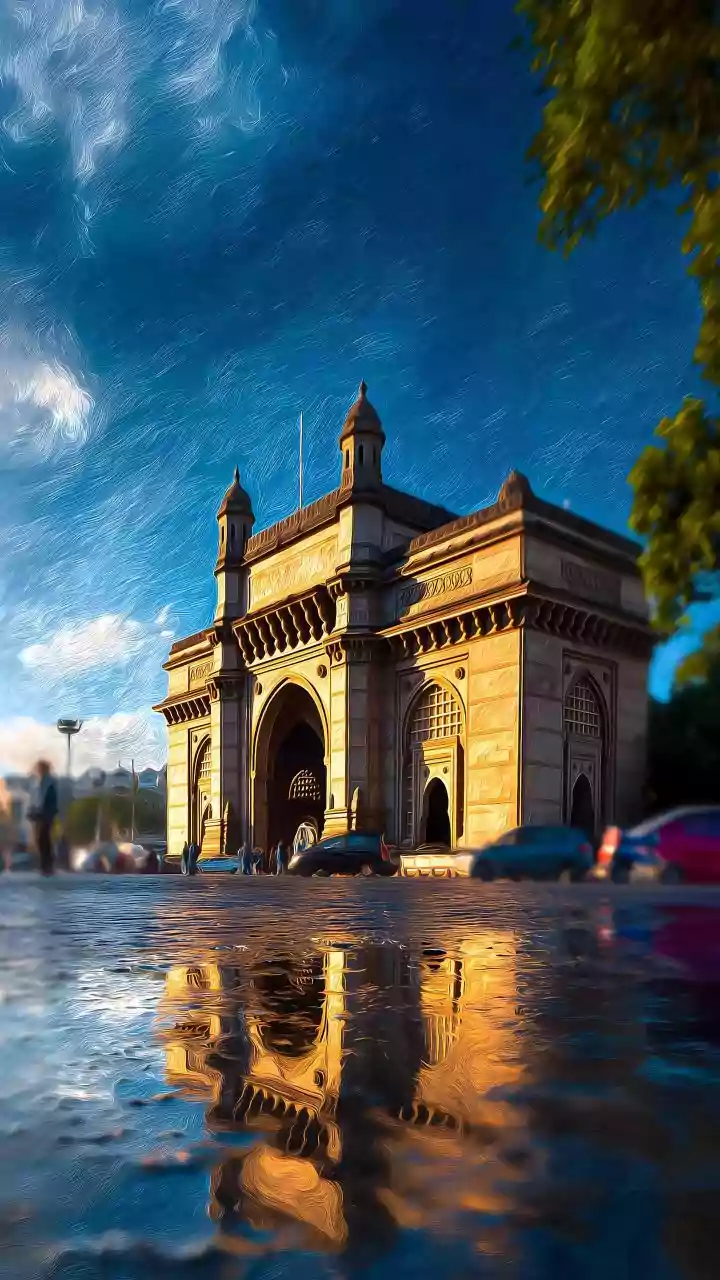




The New Era of the Indian Passport
In the world of global mobility, not all passports are created equal. The annual Henley Passport Index ranks nations based on the number of destinations their citizens can access without a prior visa. While Japan, Singapore, and European nations typically
dominate the top spots, a significant trend is emerging further down the list: the rise of the Indian passport. Recent rankings show Indian citizens can now enter over 60 countries either visa-free or with a visa-on-arrival. This number, up from just a few dozen a decade ago, is more than a convenience for tourists; it’s a powerful indicator of India's growing economic and diplomatic clout. As India’s economy expands and its diaspora becomes more influential, other nations are rolling out the welcome mat, eager to attract its tourists, investors, and skilled workers.
Southeast Asia: The Welcoming Neighbor
For many Indian travelers, the most accessible and appealing destinations lie in their own backyard. Southeast Asia has become a hotbed of simplified travel. Thailand, a perennial favorite for its stunning beaches and vibrant street food culture, recently granted Indian tourists a 30-day visa-free stay, a major upgrade from the previous visa-on-arrival system. Similarly, Malaysia offers 30-day visa-free entry, opening up destinations from the bustling capital of Kuala Lumpur to the rainforests of Borneo. Indonesia, home to Bali's serene rice paddies and volcanic landscapes, has long offered a straightforward visa-on-arrival. This regional warmth isn't just about tourism; it reflects deepening economic ties and a strategic move to capture a piece of India’s massive outbound travel market.
Island Paradises, No Strings Attached
The dream of a spontaneous tropical getaway is now a reality for Indian passport holders, with an impressive list of island nations offering visa-free access. In the Caribbean, countries like Barbados, Jamaica, and Trinidad and Tobago welcome Indians without the hassle of pre-departure paperwork, making it easier to explore their crystal-clear waters and vibrant cultures. In the Indian Ocean, the idyllic shores of Mauritius and the Seychelles are also visa-free. Even further afield, Pacific gems like Fiji and Vanuatu offer a visa on arrival. This access allows for more flexible travel planning and opens up a world of luxury resorts, diving adventures, and laid-back beach life that was once complicated by visa applications.
Adventure in Africa and the Middle East
From safari plains to ancient deserts, countries across Africa and the Middle East are also simplifying entry for Indians. Kenya, a top safari destination, has moved to a universal visa-free policy for all foreign visitors, including those from India, encouraging tourism to its world-famous national parks like the Maasai Mara. Tanzania, home to Mount Kilimanjaro and the Serengeti, provides a visa-on-arrival. In the Middle East, while major hubs like Dubai still require pre-arranged visas, countries like Qatar and Oman offer visa-on-arrival or streamlined e-visa processes, making it easier to experience their unique blend of modern architecture and ancient heritage. This increased access is part of a broader strategy to diversify tourism sources beyond traditional European and American markets.
What This Means for Global Mobility
The growing power of the Indian passport isn’t just good news for 1.4 billion people; it’s a reflection of a multipolar world. A country's visa policy is a calculated diplomatic and economic tool. By granting visa-free access, nations are making a bet on the economic potential of Indian travelers. They are also acknowledging India's status as a key global player. For the United States and Europe, this trend underscores the shifting dynamics of global travel and influence. The world's largest democracy is on the move, and the destinations scrambling to welcome its citizens are getting a head start in building the economic and cultural bridges of the 21st century.