
The Ancient River of Civilization
To understand the pull of the Indus, you have to understand its weight in human history. Known in Sanskrit as the Sindhu, this is the river that gave India its name. It’s a recurring character in the Rigveda, the oldest Hindu scriptures, revered as a mighty,
life-giving deity. For millennia, it was the cradle of one of the world's great ancient civilizations. To stand on its banks is to connect with a timeline that dwarfs modern concerns, a humbling experience that’s increasingly sought after in our fast-paced world. This isn’t just a trip to a river; for many, it’s a pilgrimage to the very source of a cultural and spiritual identity that has shaped a subcontinent.
Ladakh: Where Two Worlds Meet
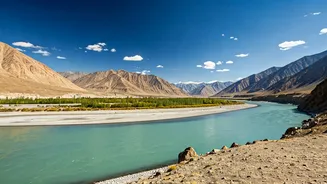
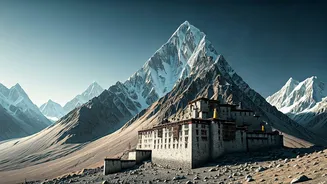
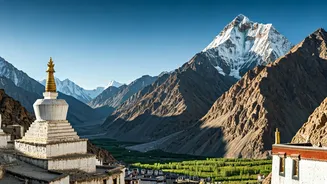
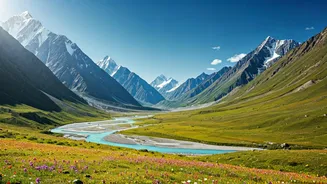
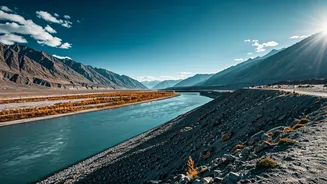
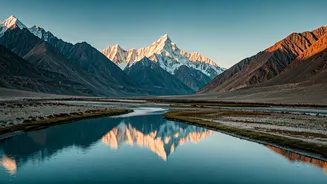
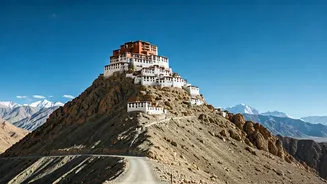
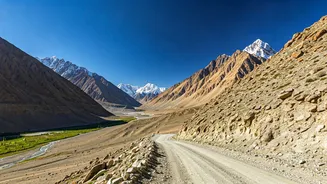
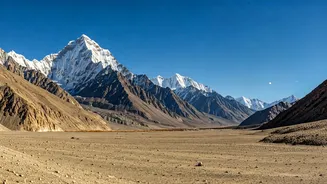
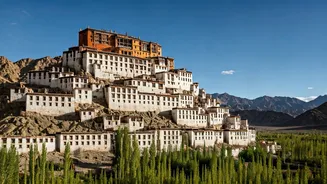
While the Indus snakes through multiple countries, the section drawing spiritual travelers today is primarily in Ladakh, a region of northern India often called “Little Tibet.” Here, the river’s ancient Hindu significance blends with the vibrant, living traditions of Tibetan Buddhism. The landscape is dotted with centuries-old monasteries clinging to sheer cliffs, and the air is filled with the flutter of prayer flags and the sound of chanting monks. This unique confluence creates a powerful spiritual atmosphere. Travelers are not just observing a relic of the past; they are stepping into a world where ancient wisdom is a daily practice. The journey along the Indus here offers a rare combination of physical adventure—rafting, trekking—and profound spiritual immersion.
The Search for Authentic Experience
The “why now” of the Indus trend is deeply tied to a post-pandemic shift in how we travel. After years of digital saturation and restricted movement, there’s a collective yearning for authenticity, disconnection, and transformation. The polished perfection of a five-star resort feels less compelling than the raw, elemental power of a place like the Indus Valley. Travelers are actively seeking out destinations that challenge them, both physically and spiritually. They want stories, not just souvenirs. The rugged, remote, and spiritually charged environment of the Indus offers exactly that—a journey that requires effort and introspection, promising a genuine sense of discovery that can’t be found on a curated Instagram feed.
A Festival Celebrating the Source
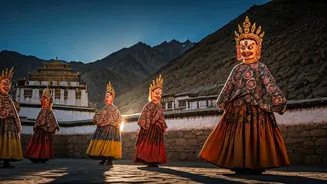
A tangible magnet for this pilgrimage is the Sindhu Darshan Festival, held annually in June in Leh, Ladakh’s main town. Started in the late 1990s, the festival was created to celebrate the Indus River as a symbol of India's cultural harmony and unity. It draws performers, spiritual leaders, and visitors from across the country and, increasingly, the world. For three days, the riverbank becomes a vibrant hub of traditional music, dance, and prayer. The event provides a focal point for travelers, a scheduled reason to make the journey. It crystallizes the river’s symbolic importance into a shared, living celebration, making the abstract spiritual pull a concrete, communal experience.