
From Dopamine Dressing to Quiet Comfort
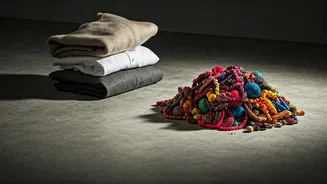
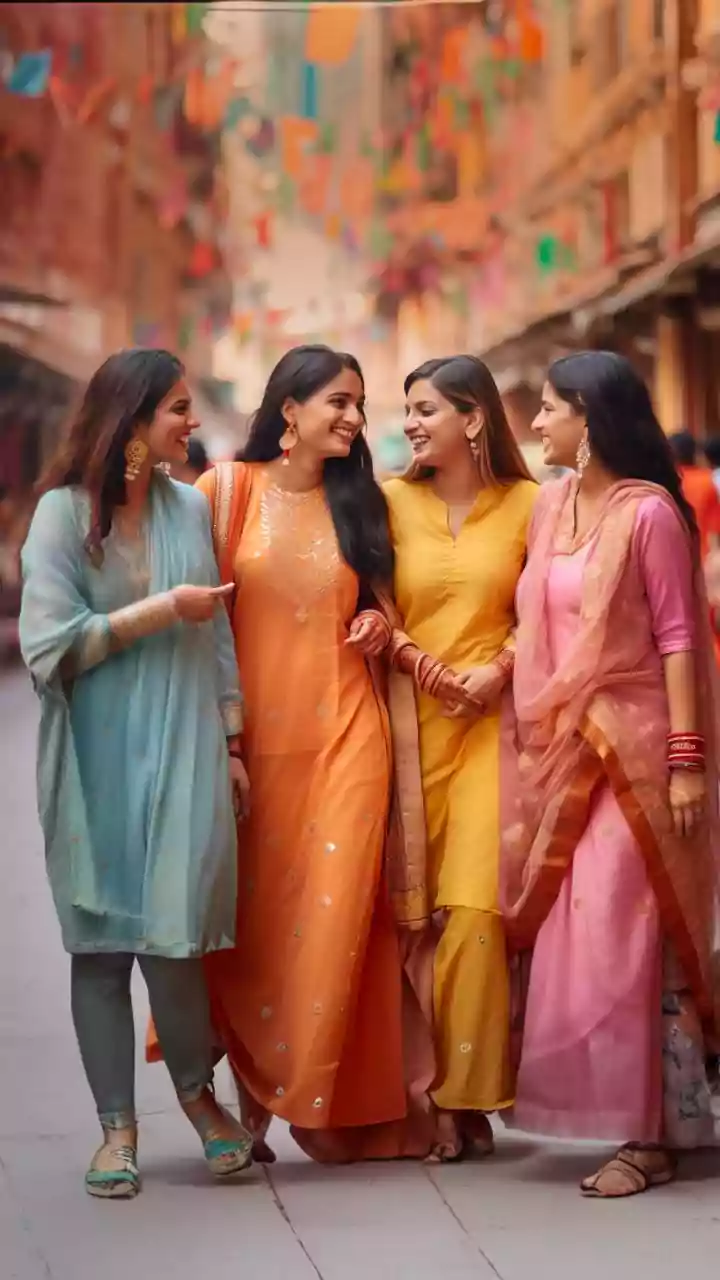
Remember the recent past? It was a riot of color and chaos. We had the hot-pink fantasy of Barbiecore, the glittery excess of the Y2K revival, and the constant churn of TikTok aesthetics like ‘coastal grandmother’ and ‘weird girl.’ This was the era of ‘dopamine
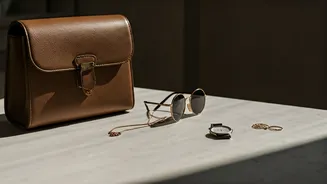
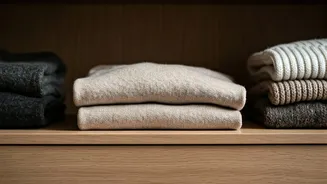
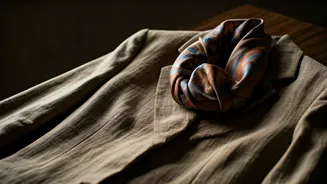
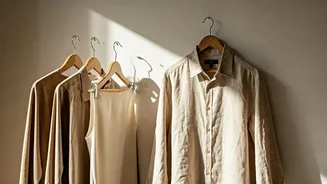
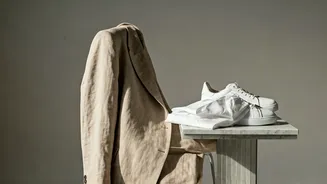
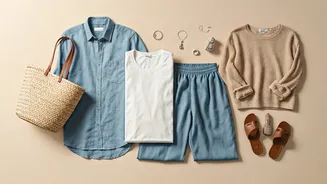
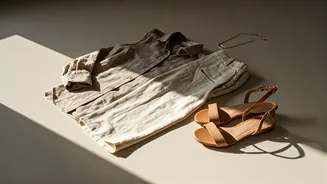
dressing’—the idea that bright, bold clothes could be a shortcut to happiness in uncertain times. But for a growing number of young consumers, the dopamine hit has faded, replaced by a distinct feeling of fatigue. Now, a different mood is settling in. Enter ‘calm fashion.’ Think breathable linen trousers, simple cotton tank tops, unstructured blazers, and monochromatic sets in shades of cream, beige, olive, and black. It’s less about making a statement to the world and more about feeling grounded and comfortable in your own skin. This aesthetic prioritizes texture over print, silhouette over embellishment, and longevity over fleeting novelty. It’s a quiet rebellion against the relentless demand to be seen and categorized by a social media feed.
The Burnout from Micro-Trends
A primary driver of this stylistic downshift is sheer exhaustion. The fast-fashion ecosystem, supercharged by TikTok, created a trend cycle that moved at a dizzying, unsustainable pace. A new ‘core’ aesthetic seemed to emerge every week, pressuring shoppers to constantly update, buy, and perform for the algorithm. For many in Gen Z, who came of age on these platforms, the fun has curdled into a chore. Opting for a ‘calm’ wardrobe is a way to get off this hamster wheel. Instead of buying a specific top for a single ‘tomato girl summer’ photo, they are investing in pieces that can be worn countless ways, season after season. It’s a conscious decoupling from the idea that personal style is something dictated by a For You Page. This isn't just about clothes; it's a form of digital detox, a refusal to let one's identity be perpetually optimized for online engagement. The ultimate goal is peace, and it’s hard to feel peaceful when you’re worried your outfit is already out of style by the time you’ve posted it.
Economic Reality Bites
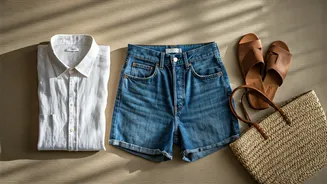
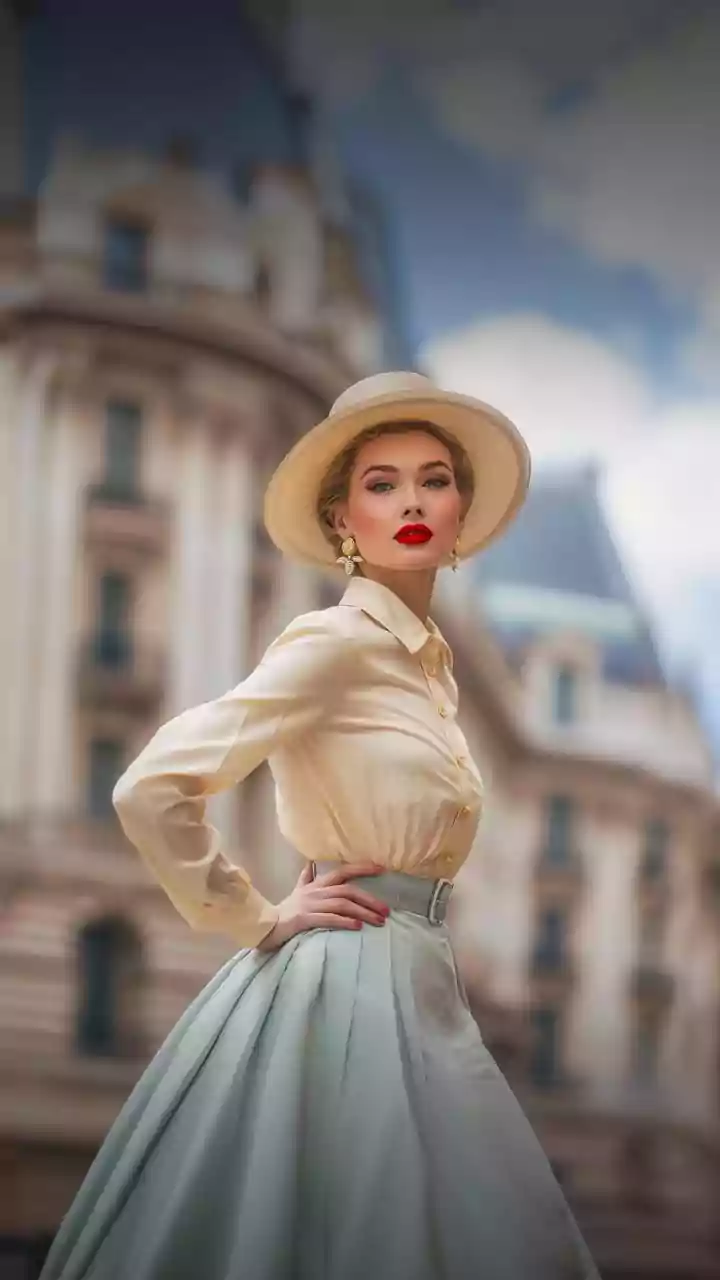
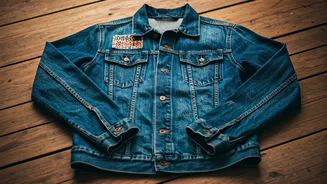
While trend fatigue is a major factor, we can't ignore the practical, economic realities facing young people. With inflation still a concern and financial uncertainty looming, the calculus of shopping has changed. The endless hauls of cheap, disposable clothing feel not only wasteful but financially irresponsible. A $15 top that falls apart after two washes is no longer seen as a bargain. This has accelerated the appeal of ‘quiet luxury’—a term once reserved for the discreetly wealthy that has been democratized into a mainstream aspiration. For young shoppers, it’s less about stealth wealth and more about ‘quiet quality.’ They are seeking the best they can afford, focusing on versatile, durable items that offer a better cost-per-wear. A well-made pair of sandals, a classic slip dress, or a timeless pair of jeans feels like a smarter investment than a cart full of trendy pieces destined for the back of the closet by August. Calm fashion, with its focus on staples, is inherently more budget-friendly in the long run.
A Search for Something Real
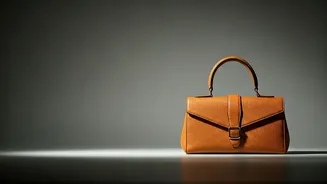
Ultimately, the turn toward calmer fashion reflects a broader search for authenticity. In a world saturated with filters, AI-generated content, and performative identities, there's a growing desire for something real. A simple, understated wardrobe can feel like a more honest reflection of self than a costume borrowed from a fleeting trend. This isn't to say that vibrant color and bold patterns are gone forever. Fashion is, and always will be, cyclical. But for now, the coolest thing a young person can do is signal that they are unbothered. They aren't trying to catch your eye with a neon bag or a wacky print. Their confidence comes from a different place: from feeling put-together, comfortable, and most importantly, at ease. In a noisy world, quiet is the new luxury.