



The Core Idea: A Power-Up for Turmeric
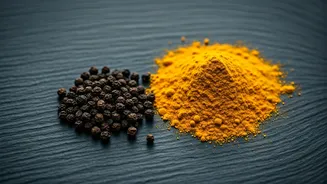
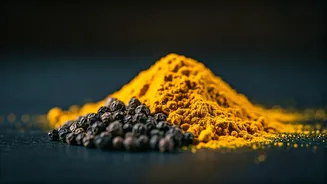
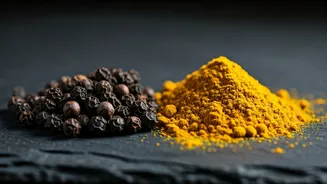
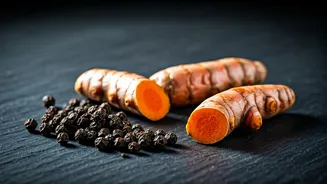
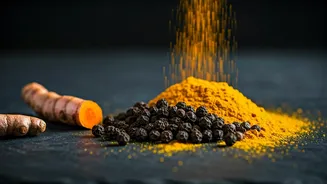
First, let's get the basic premise right, because this part is actually true. Turmeric’s main active compound is curcumin, a powerful antioxidant with anti-inflammatory properties. The problem? Our bodies are terrible at absorbing it. On its own, most
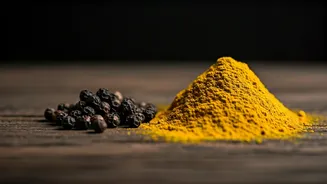
curcumin passes right through our digestive system without doing much. This is where black pepper enters the chat. Black pepper contains a compound called piperine, which is the secret ingredient in this partnership. Piperine has been shown to dramatically increase the bioavailability of curcumin—by as much as 2,000% according to some foundational studies. In simple terms, the pepper tells your body to let the beneficial part of the turmeric actually get to work. This synergy is the scientific backbone of the entire trend.
The Hype: A Miracle Anti-Inflammatory
Wellness influencers often position turmeric and pepper as a panacea for inflammation, suggesting it can replace medications for conditions like arthritis or soothe workout-related soreness almost instantly. You'll see claims that a daily golden milk latte can 'cure' systemic inflammation. While there's a kernel of truth here—curcumin is indeed an anti-inflammatory compound—the claims are often blown way out of proportion. The level of inflammation reduction seen in many studies requires high, concentrated doses of curcumin, far more than you'd get from a sprinkle in your smoothie or even a daily latte. It’s not a replacement for medical treatment for chronic inflammatory conditions. Think of it less as a fire extinguisher and more as a helpful tool that may gently lower the temperature over time, especially as part of a broader healthy diet.
The Reality: A Helpful Dietary Addition
So, what can you realistically expect? Consistent, long-term consumption of turmeric, especially with black pepper, can contribute to a diet that helps manage inflammation. Many studies suggest curcumin can have effects comparable to some anti-inflammatory drugs, but again, this is often with standardized, high-dose extracts. For the average person, incorporating turmeric and pepper into daily cooking—in curries, soups, roasted vegetables, or scrambled eggs—is a great way to access its benefits. It supports overall health and provides a modest anti-inflammatory boost. It's a healthy habit, not a magic cure. The real benefit comes from making it a regular part of your spice rack, not from treating it like a prescription.
The Big Claim: A Cancer Fighter?
This is where we need to be extremely careful. You may see articles or posts suggesting turmeric can prevent or even treat cancer. This is based on promising laboratory and animal studies where curcumin has been shown to kill cancer cells and prevent their growth. However, what happens in a petri dish is a world away from what happens in the human body. The evidence in humans is very limited and inconclusive. Major research institutions like the National Cancer Institute note that while it's an area of active research, there is not enough evidence to recommend curcumin for cancer prevention or treatment. Selling this combination as a cancer cure is not only inaccurate but dangerously misleading. It's a powerful antioxidant, and that's great for overall cellular health, but the claims should stop there.
The Takeaway: Food First, Supplements Second
If you want to tap into the benefits of this power couple, the best place to start is your kitchen. Using the spices in your cooking is safe, affordable, and delicious. Adding a generous amount of turmeric and a few cracks of black pepper to your meals is a fantastic, low-risk habit. If you're considering a supplement, it’s a different ballgame. The supplement industry is largely unregulated, and quality can vary wildly. Look for products from reputable brands that use third-party testing and contain a standardized amount of curcumin along with piperine (often listed as BioPerine). More importantly, talk to your doctor first. High doses of curcumin can interfere with certain medications, including blood thinners and acid reducers, and aren't recommended for everyone.