




The Danger on the Road
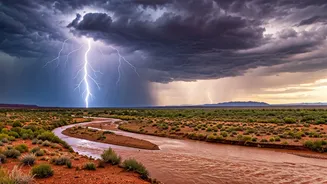
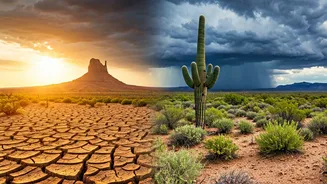
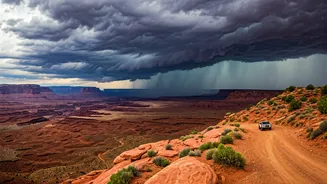
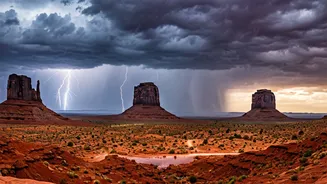
Driving during a monsoon downpour isn't just about dealing with slick roads; it's a completely different level of risk. In states like Arizona, New Mexico, and parts of Utah and Colorado, the arid landscape creates unique dangers. The dry, compacted soil
can't absorb intense rainfall, leading to flash floods that turn roadways into raging rivers in minutes. A mere six inches of moving water can knock you off your feet, and a foot is enough to sweep a vehicle away. Then there are the dust storms, or haboobs, that often precede the rain. These towering walls of dust can reduce visibility to zero, creating conditions for massive, multi-car pileups. State transportation departments have long-running campaigns like Arizona's "Pull Aside, Stay Alive" for a reason. While a personal vehicle offers freedom, it also puts the full responsibility of navigating these treacherous, fast-changing conditions squarely on your shoulders. Sometimes, the smartest decision is to admit your car isn't the right tool for the job.
The Steady, Reliable Bus
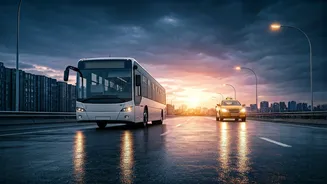
When your scenic drive through the desert is suddenly threatened by a torrential storm, the humble intercity bus becomes an unsung hero. Companies like Greyhound, FlixBus, and other regional carriers operate on major interstate highways that are often the first to be cleared and the last to be closed. Opting for a bus has several distinct advantages. First, you're placing your safety in the hands of a professional driver who is trained to handle large vehicles in adverse weather. They know the routes, understand the risks, and are in constant communication with a central dispatch that monitors conditions. Furthermore, a large bus has a much higher clearance and significantly more weight than a standard sedan or SUV, making it far more stable in high winds and less susceptible to moderate flooding on roadways. While a bus can still be delayed, it's far less likely to get stuck or swept away. This option is ideal for longer-distance travel between cities like Phoenix and Tucson, or from Las Vegas to Flagstaff, allowing you to bypass the stress of white-knuckle driving and simply wait out the storm from a safer vantage point.
Rideshares for the Final Mile
Buses are great for getting from city to city, but what about navigating a local area during a downpour? This is where taxis and rideshare services like Uber and Lyft come in. If you've arrived at a bus station and need to get to your hotel across town, a local driver is your best bet. They have invaluable knowledge of which underpasses are prone to flooding and what surface streets become impassable. They can navigate a city’s trouble spots far better than a tourist relying on a GPS that’s simply pointing them toward the most direct—and potentially most flooded—route. Keep in mind that demand can spike during a major weather event, leading to surge pricing and longer wait times. Still, paying a premium for a safe, 15-minute ride is a small price to pay for avoiding the danger and hassle of driving yourself. Using a cab or rideshare for these short hops allows you to keep your rental car safely parked at the hotel until the storm passes.
How to Build Your Backup Plan
A good monsoon travel strategy is about having options. Before you even leave, do a little research. Identify the bus carriers that service the area you'll be visiting. Download their apps and the apps for Uber and Lyft to your phone. Save the number of a local taxi company in your contacts. When you're on the ground, pay close attention to weather alerts. If a major storm is forecast for the afternoon you plan to drive, be proactive. Check bus schedules that morning. This isn't about abandoning your original plans at the first sign of a cloud. It's about being flexible. Maybe you take the bus for one leg of your journey and then rent a car once you've reached a destination where the weather is clear. By having a Plan B and even a Plan C ready, you transform a potentially trip-ruining storm into a manageable delay, ensuring your Southwest adventure is memorable for the right reasons.