





The Rise of Grassroots Urbanism
Across the sprawling metropolis once known as Bangalore, a powerful trend of citizen-led urban renewal is reshaping the landscape, one weekend at a time. This isn't a government-mandated program or a corporate social responsibility initiative. It's a collection
of grassroots movements driven by ordinary people fed up with urban decay. On Saturday and Sunday mornings, groups of volunteers—software engineers, students, retirees, and families—can be found descending on neglected lakes, garbage-strewn parks, and drab public walls. Their goal is simple yet profound: to reclaim these communal spaces and restore a piece of their city's soul.
From 'Garden City' to Concrete Jungle
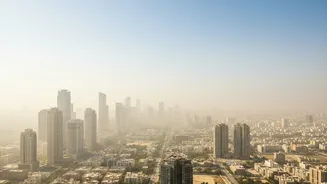
To understand why this is happening now, you have to understand Bengaluru’s dramatic transformation. For decades, it was affectionately called India’s “Garden City,” a verdant, relaxed town famous for its pleasant climate, lush parks, and hundreds of interconnected lakes (or *keres*) built by its founders. But the information technology boom of the 1990s and 2000s changed everything. As global tech giants set up shop, Bengaluru exploded into a megacity, its population swelling and its infrastructure straining. Unchecked development and rapid urbanization led to choked lakes, vanishing green spaces, and a sense of disconnection from the natural environment that once defined the city. The “restore-and-reclaim” mood is a direct response to this loss—a collective effort to claw back the city’s natural heritage.
The Lake Warriors of Bengaluru
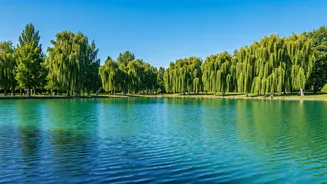
Nowhere is this movement more visible than in the fight to save the city’s lakes. Many had become toxic cesspools, filled with sewage, industrial effluents, and solid waste. Frustrated by official inaction, local residents began forming trusts and volunteer groups. The revival of lakes like Kaikondrahalli and Puttenahalli are now legendary examples. Citizen groups like the Puttenahalli Neighbourhood Lake Improvement Trust (PNLIT) took charge. They didn't just protest; they created a plan. They lobbied local authorities for support, raised funds from the community, and organized massive volunteer drives to clear garbage, de-silt the lakebed, and plant native vegetation along the banks. Today, these restored lakes are thriving ecosystems and vibrant community hubs, complete with walking tracks and birdwatching spots, standing as powerful symbols of what collective action can achieve.
Beyond the Lakes: Plogging and Public Art
The reclaim-and-restore ethos extends far beyond the water bodies. The concept of “plogging”—a Swedish import that combines jogging with picking up litter—has found fervent adopters in Bengaluru. Groups organize weekend plogging drives in different neighborhoods, turning a fitness activity into a mini clean-up mission. Similarly, anonymous art collectives like “The Ugly Indian” have inspired a movement to beautify public spaces through simple, often anonymous, acts of cleaning and painting. Instead of waiting for municipal workers, residents will identify a garbage-strewn corner or a defaced wall, clean it up themselves, and sometimes paint it with simple, cheerful designs. This philosophy of “spot-fixing” has transformed countless eyesores into points of civic pride, proving that small, localized actions can have a large-scale visual and psychological impact.