


1. Escape the Tourist Swarm
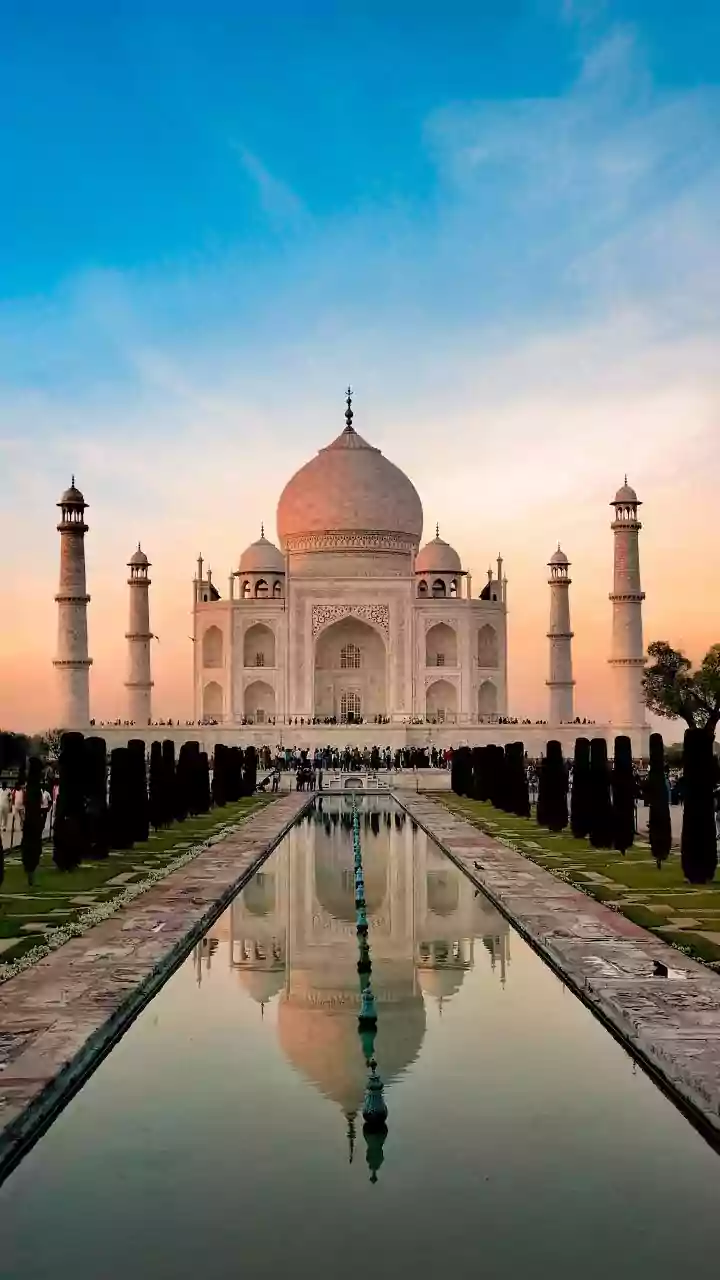
Imagine having the Taj Mahal almost to yourself. During the peak tourist window (October to March), India’s most iconic sites are mobbed from sunrise to sunset. You’ll be jostling for photos and waiting in long lines. Travel during the monsoon (roughly
June to September) or the hot shoulder months (April and May), and the dynamic shifts completely. Suddenly, you can experience the serene grandeur of Agra’s icon, wander through Jaipur’s Amber Fort without a thousand people in your shot, and feel like an explorer rather than just another tourist. This solitude is perhaps the greatest luxury of all, allowing for a more personal and contemplative connection with the country’s treasures.
2. Unlock Significant Savings
Your wallet will thank you. Off-season travel is synonymous with lower costs across the board. International flights to Delhi or Mumbai, which can skyrocket during the winter holidays, often drop by hundreds of dollars. The real prize, however, is accommodation. Five-star palace hotels in Rajasthan and luxury resorts in Kerala that are prohibitively expensive in December become surprisingly accessible. Many offer off-season packages that include meals or spa treatments. This discount allows you to either save money or upgrade your experience, staying in heritage properties you might otherwise only dream of.
3. See the Landscape Come Alive
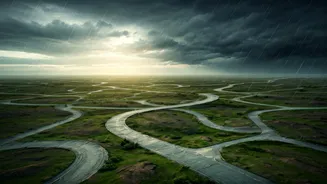
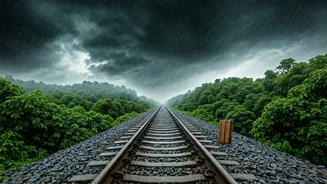
Most travelers picture India as dry and dusty, but the monsoon transforms it into a lush, emerald paradise. This is particularly true in Rajasthan, where the arid landscape erupts in greenery, and in the southern state of Kerala, where the backwaters are rejuvenated and vibrant. The term “monsoon” can sound intimidating, but it often translates to a predictable afternoon downpour, not a 24/7 deluge. These brief, intense showers wash the dust from the air, cool temperatures down, and leave behind a world that feels clean, fresh, and intensely alive. For photographers and nature lovers, this is the most beautiful time of year to visit.
4. Embrace the “Shoulder Season” Sweet Spot
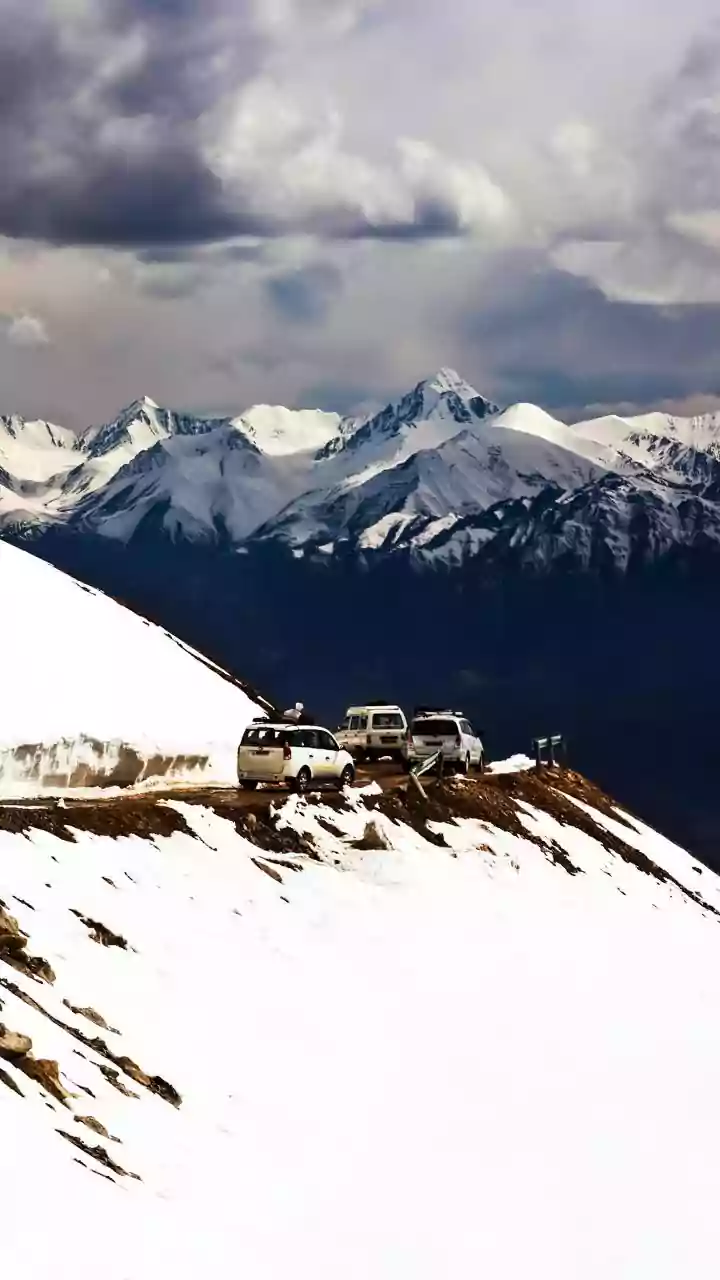
If you’re wary of the peak monsoon, aim for the “shoulder seasons”: April-May and September-October. April and May are hot, especially in the north, but it’s a dry heat, and the crowds have thinned dramatically. It’s the perfect time to head for the Himalayan foothills, where the weather is idyllic. September, as the monsoon recedes, is another golden window. The landscape is still intensely green, but the rains are less frequent. You get the best of both worlds—gorgeous scenery, fewer people, and moderate prices before the peak season rush begins in earnest.
5. Know the Trade-Offs
This cheat code isn’t without its challenges, but they are manageable. The primary consideration is the weather. During the monsoon, humidity is high, and you’ll need to be flexible, as a heavy downpour can occasionally disrupt travel plans. Some wildlife sanctuaries, like Ranthambore National Park, close during the monsoon. In the hot season of April and May, midday sightseeing in the plains of northern India can be exhausting. The key is planning your itinerary around the climate. Focus on indoor activities during the hottest part of the day, choose regions like the mountains that are pleasant in summer, and always pack a lightweight rain jacket and an open mind.