


The Familiar Summer Prison
For millions of Americans, summer in the city is a test of endurance. It’s the feeling of your clothes sticking to your skin the moment you step outside. It’s the asphalt radiating heat long after sunset, turning evening walks into a sweaty chore. It’s the endless
hum of air conditioners creating a symphony of manufactured cool that barely keeps the oppressive humidity at bay. Sleep becomes a restless dance of kicking off sheets, seeking a cool spot on the mattress that vanishes in seconds. The nights, which should bring relief, often just feel like a slightly less scorching version of the day. This isn't just discomfort; it's a kind of seasonal confinement, a stark contrast to the carefree summer ideal we all hold in our minds.
Journey to a Different World
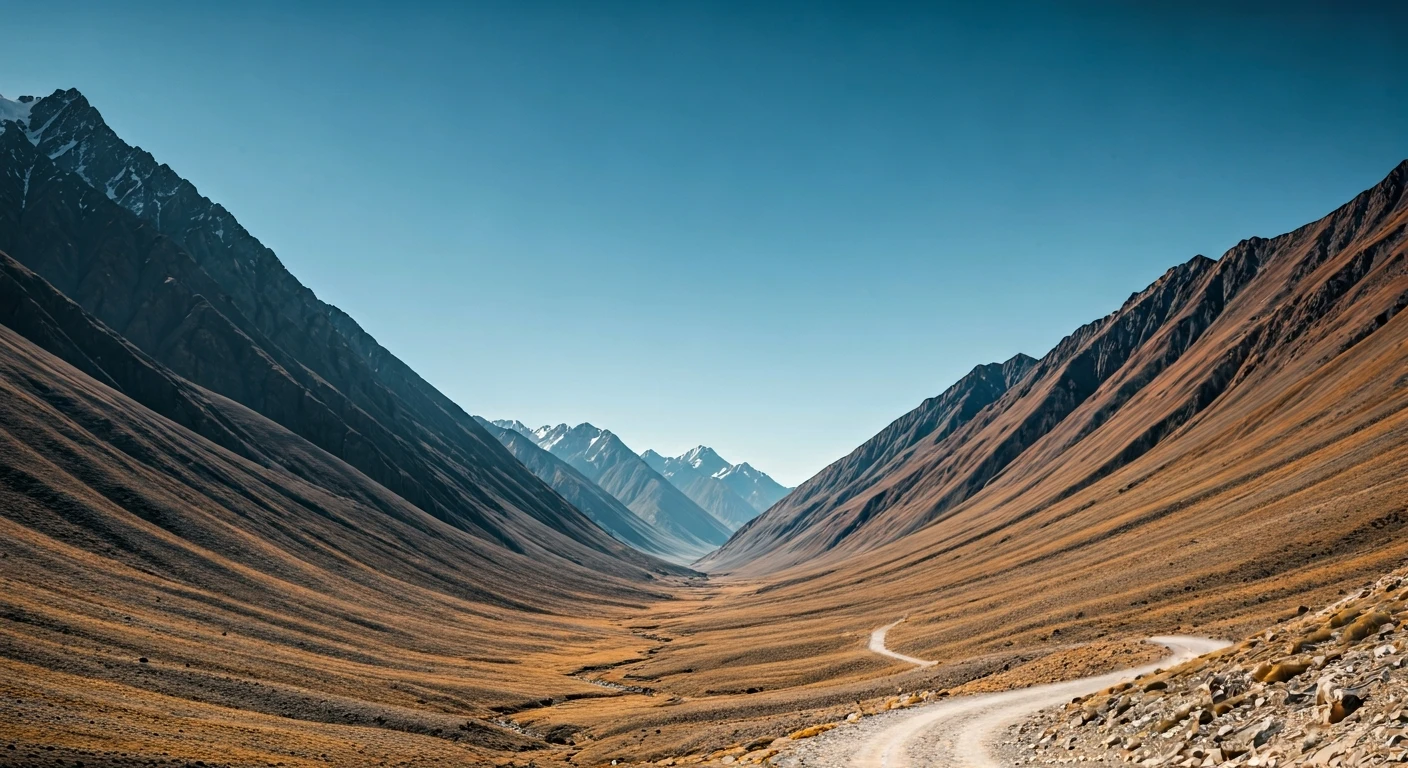
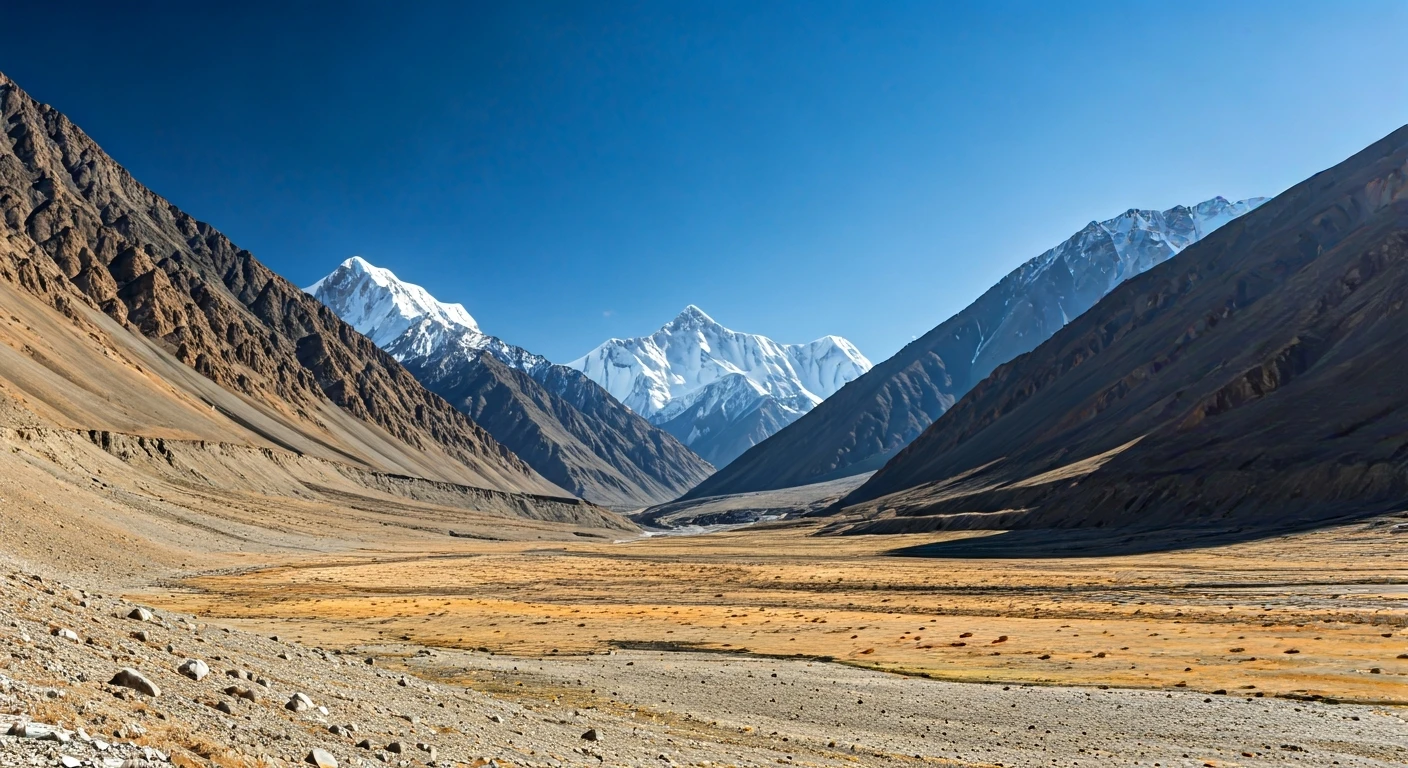
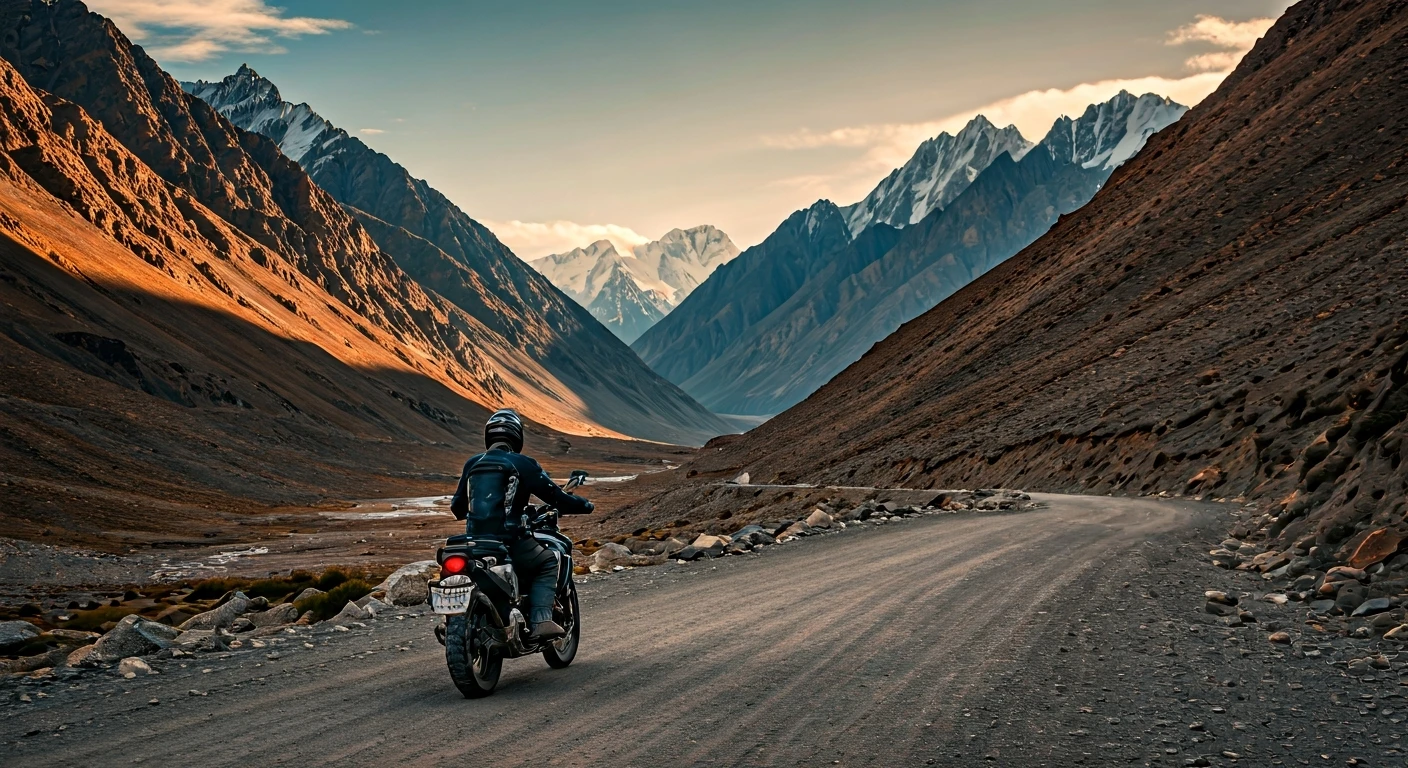
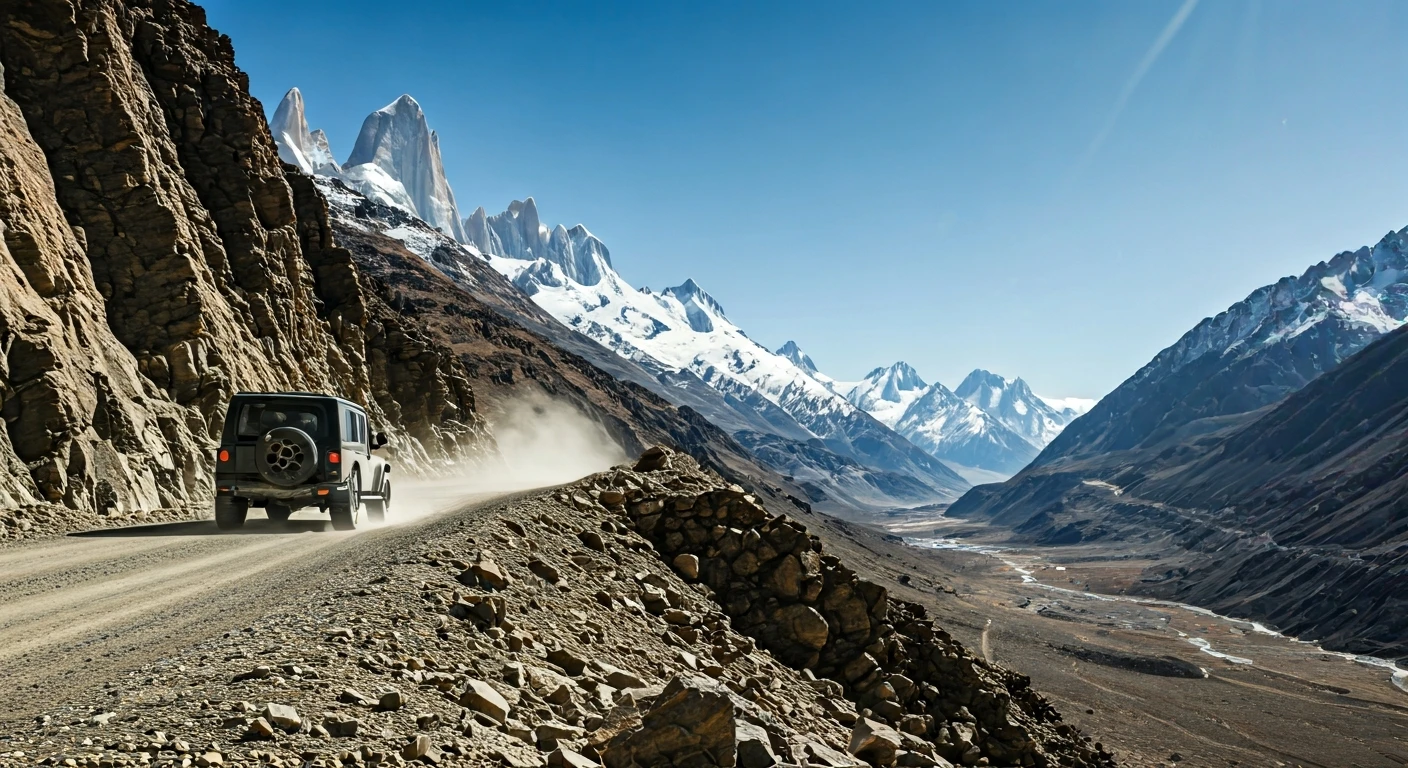
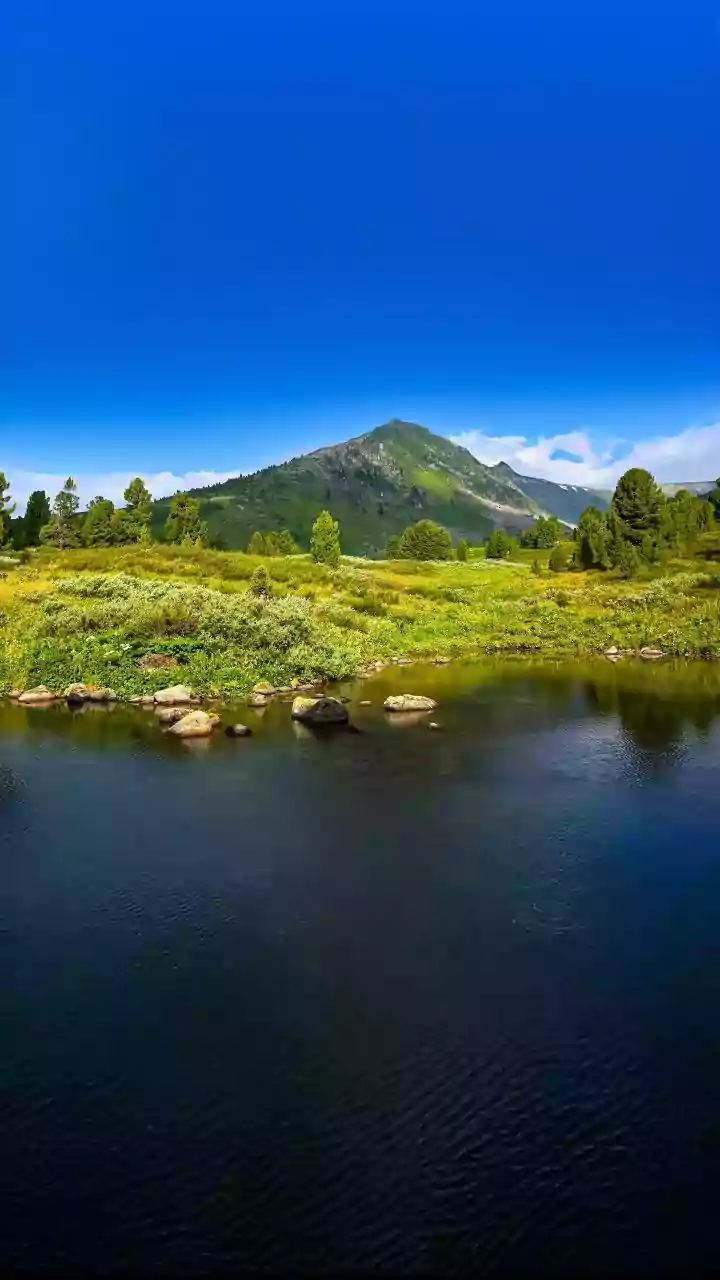
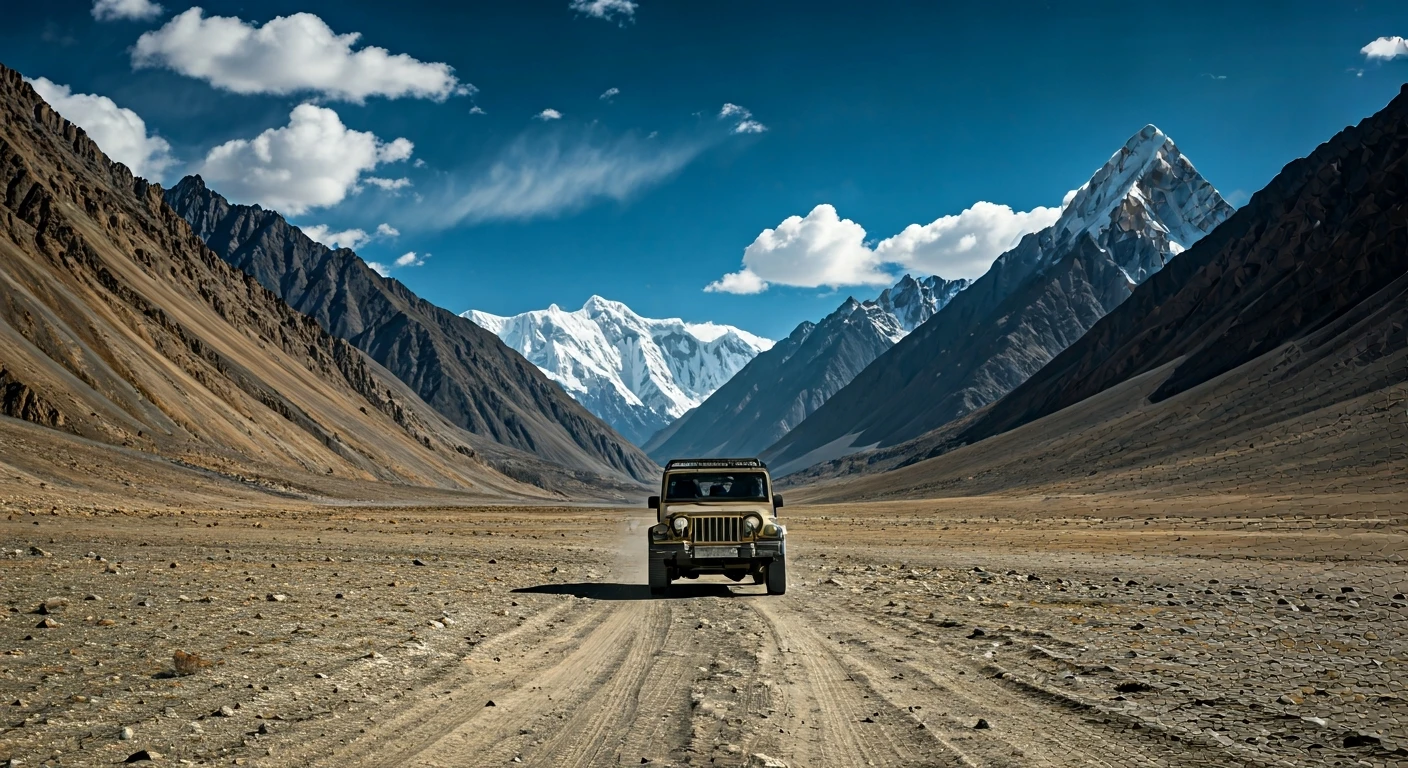
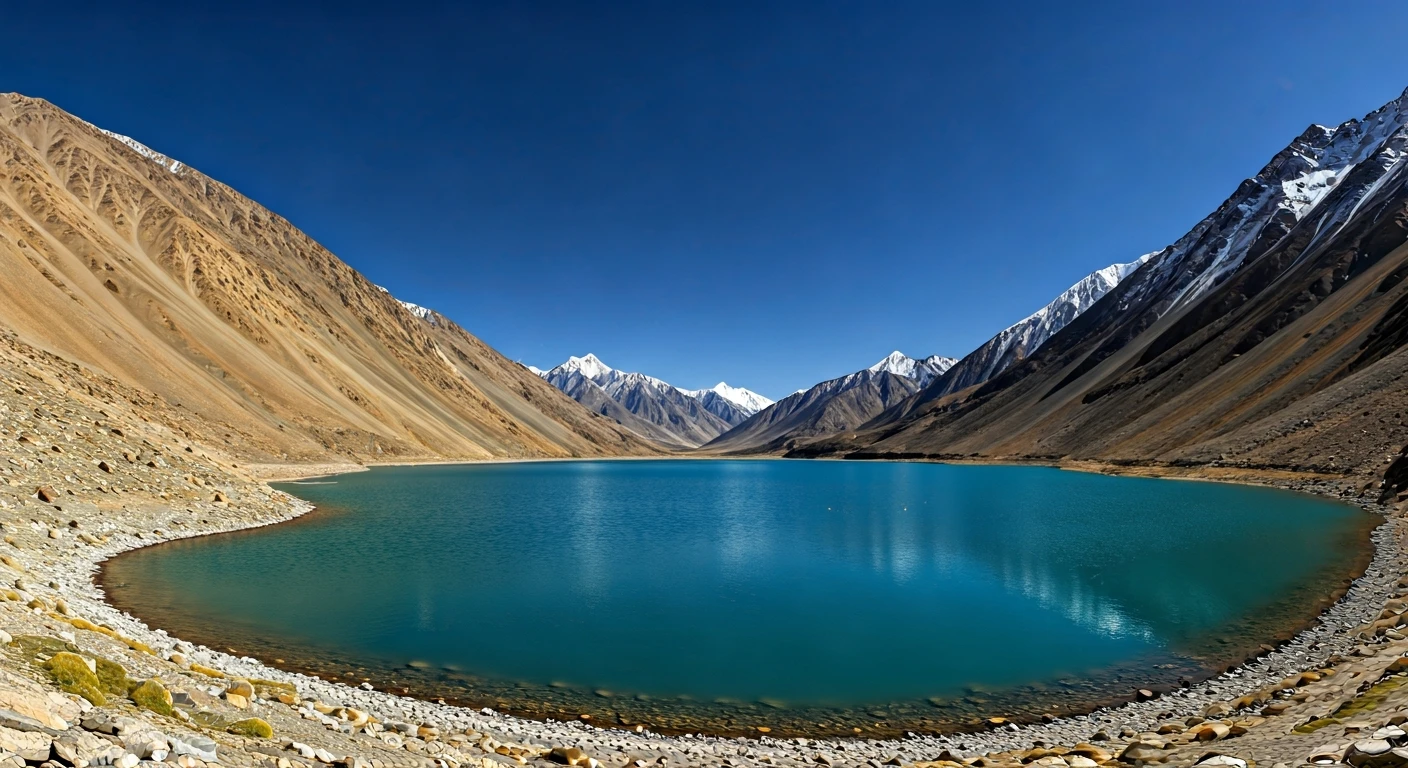
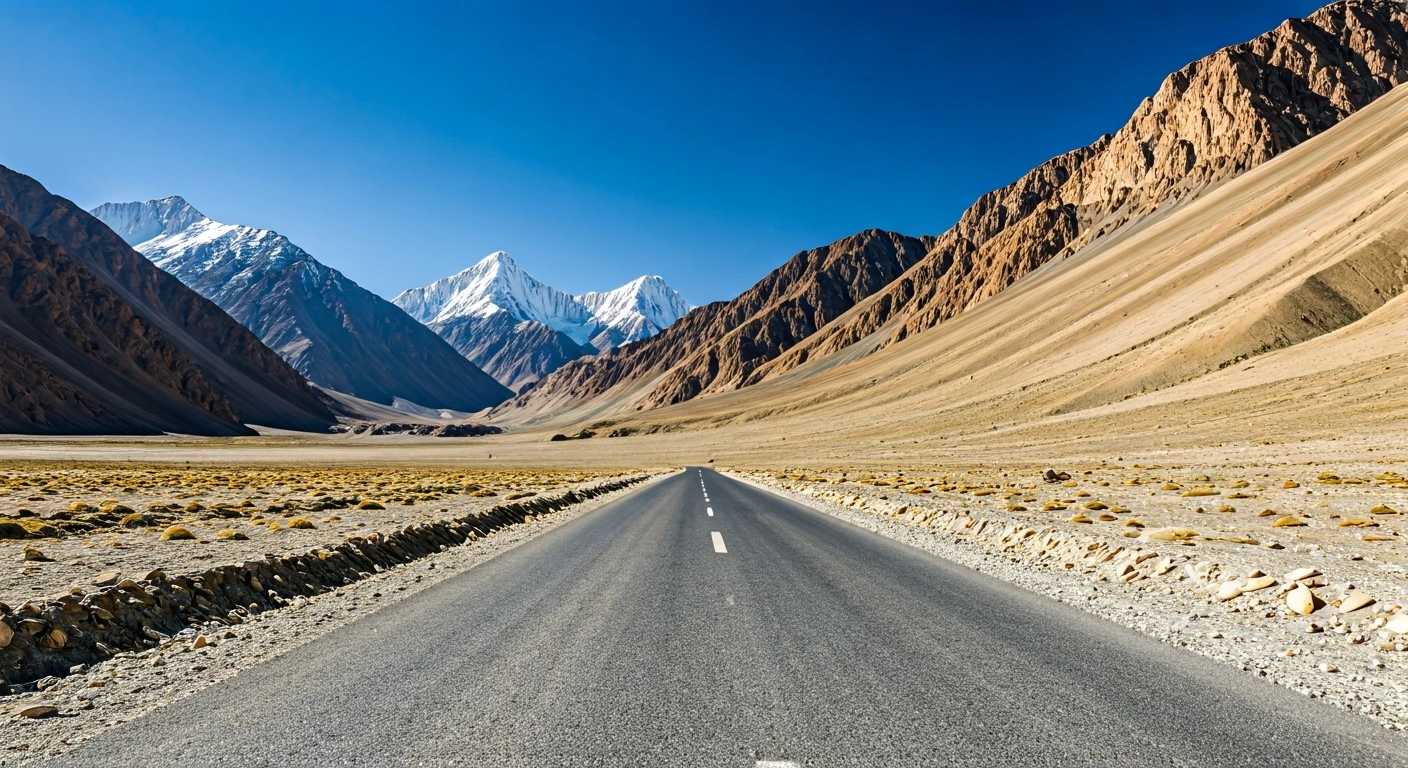
Now, imagine a different reality. To find it, you have to travel far—not just in miles, but in mindset. High in the Indian Himalayas, tucked between Tibet and the rest of India, lies the Spiti Valley. This isn't the lush, green India of postcards; this is a 'cold desert,' a stark and stunning landscape of barren mountains, deep gorges, and impossibly blue skies. At an average elevation of over 12,500 feet, Spiti is a world apart. Reaching it requires a multi-day journey over some of the world's most treacherous and beautiful roads, a pilgrimage that sheds the noise and clutter of modern life with every hairpin turn. The air thins, the landscape widens, and the priorities of the city—deadlines, traffic, the relentless heat—begin to feel absurdly distant.
The Gift of a Cold Night
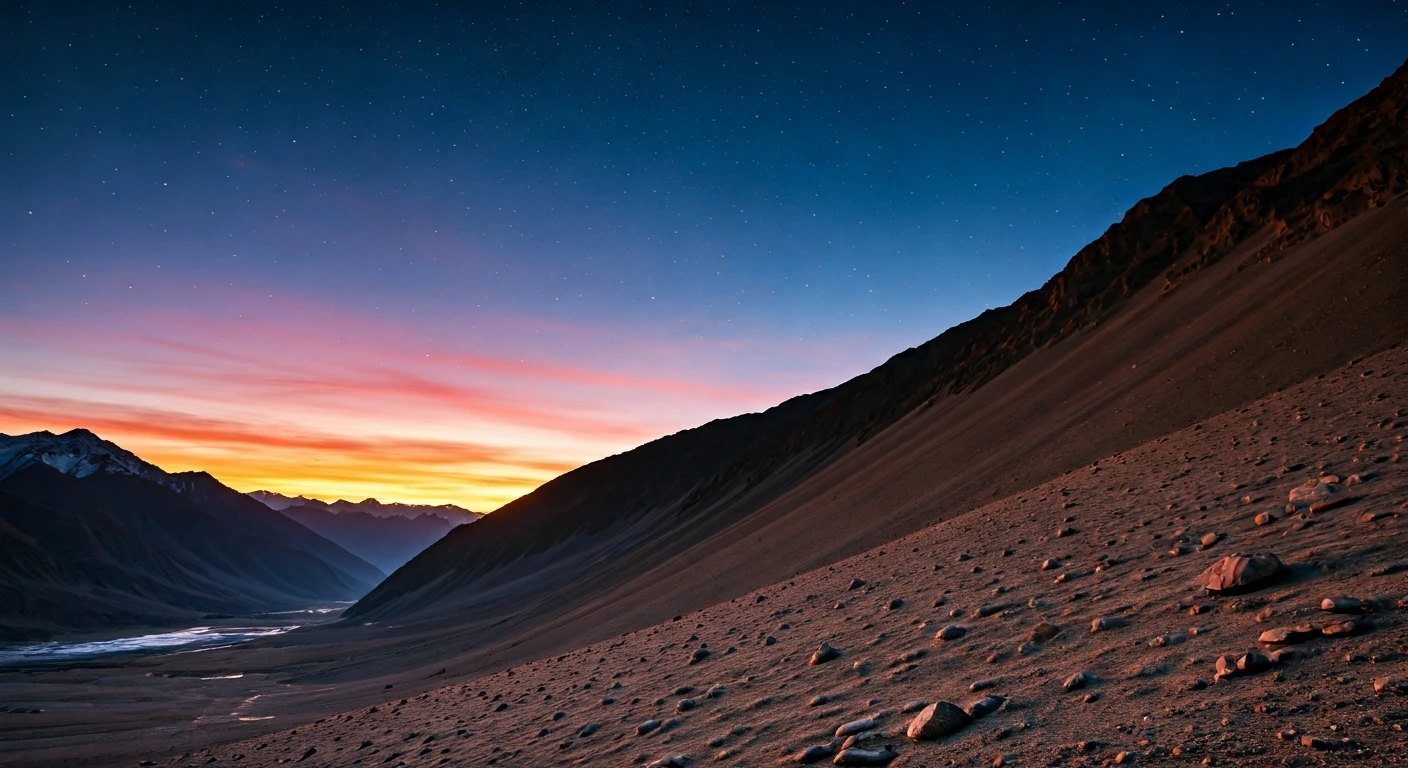
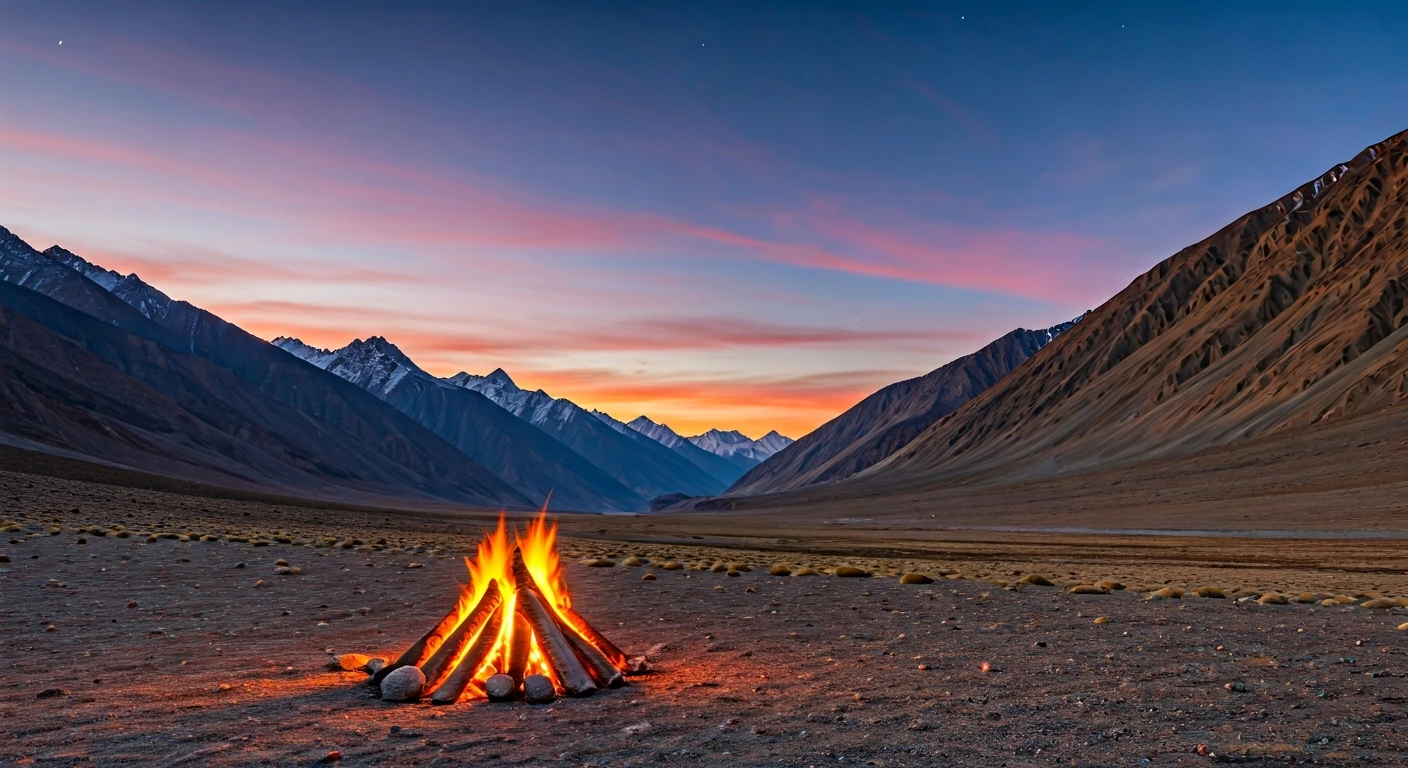
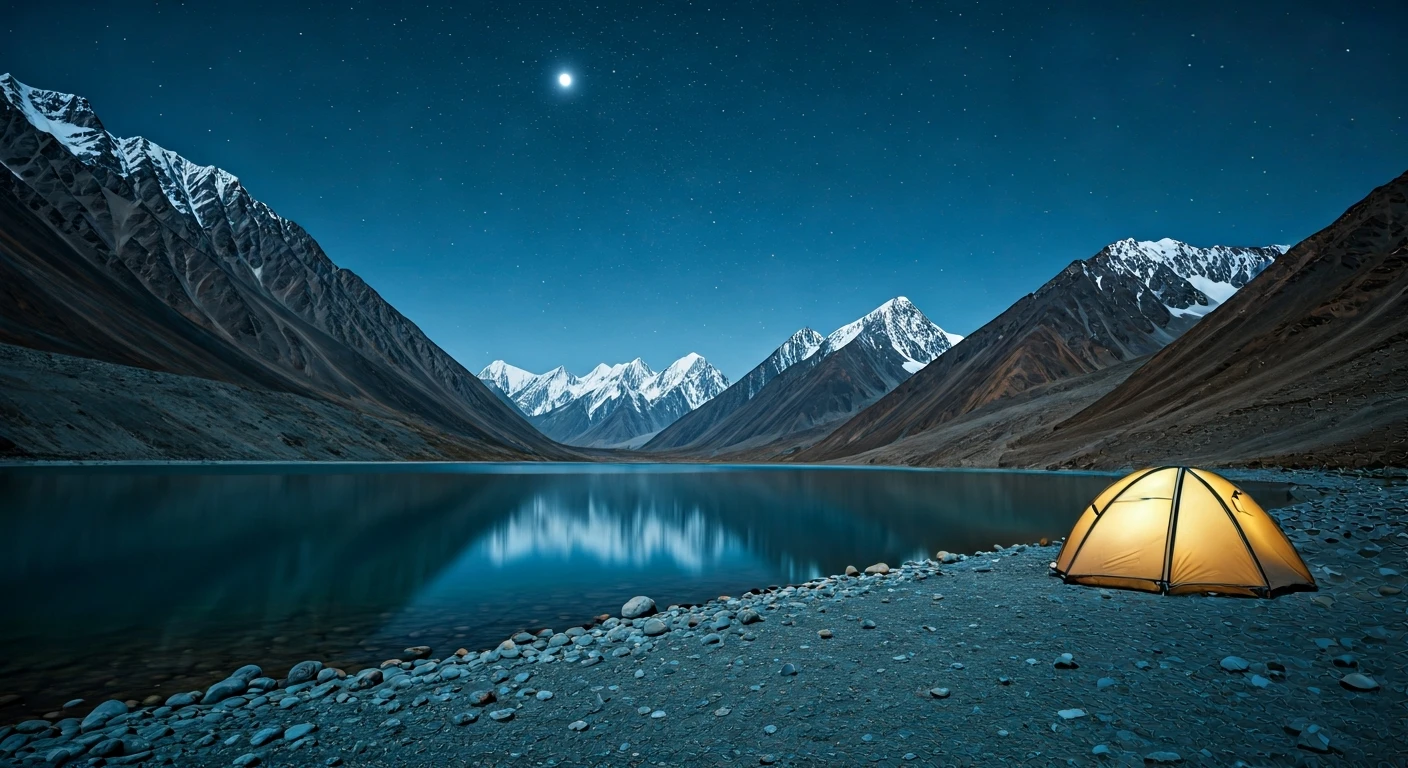
This is where the magic of the headline comes to life. In Spiti, the sun is intense during the day, warming the high-altitude landscape. But the moment it dips behind the jagged, 20,000-foot peaks, the temperature plummets. A 75-degree afternoon can easily become a 40-degree night, even in the heart of July or August. This isn't the damp, biting cold of a winter storm; it's a dry, crisp, and utterly refreshing chill. Windows are kept shut not to keep cool air in, but to keep the profound cold out. Instead of a whining AC unit, the only sound is the wind whistling down from the glaciers or the distant bark of a dog in a silent village. You don't just tolerate the night; you welcome it. You pull on a fleece, gather around a small heater or a warm kitchen stove, and sip on sweet, milky chai. Going to bed means burrowing under a thick, heavy quilt, a comforting weight that feels like a genuine luxury after months of sleeping on top of the covers.
A Sky Without Compromise
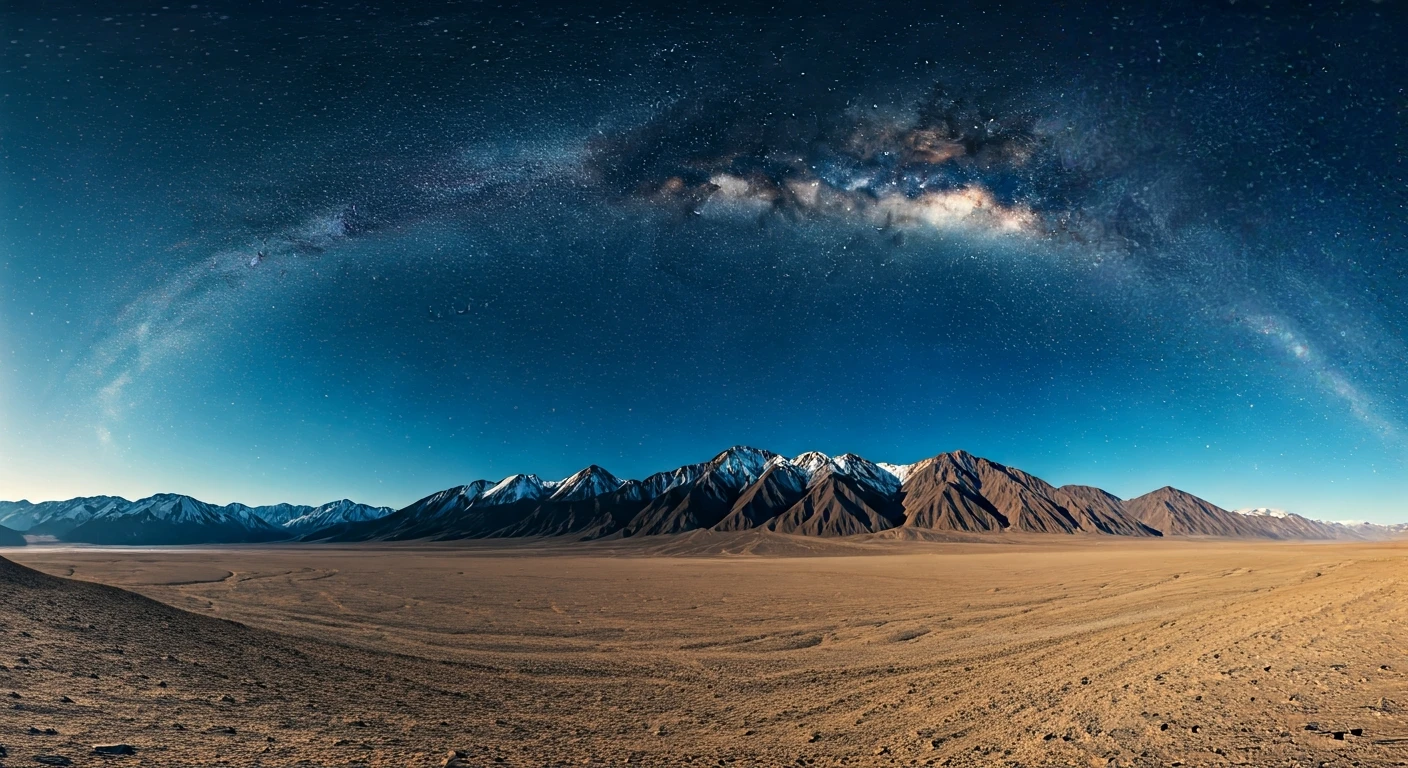
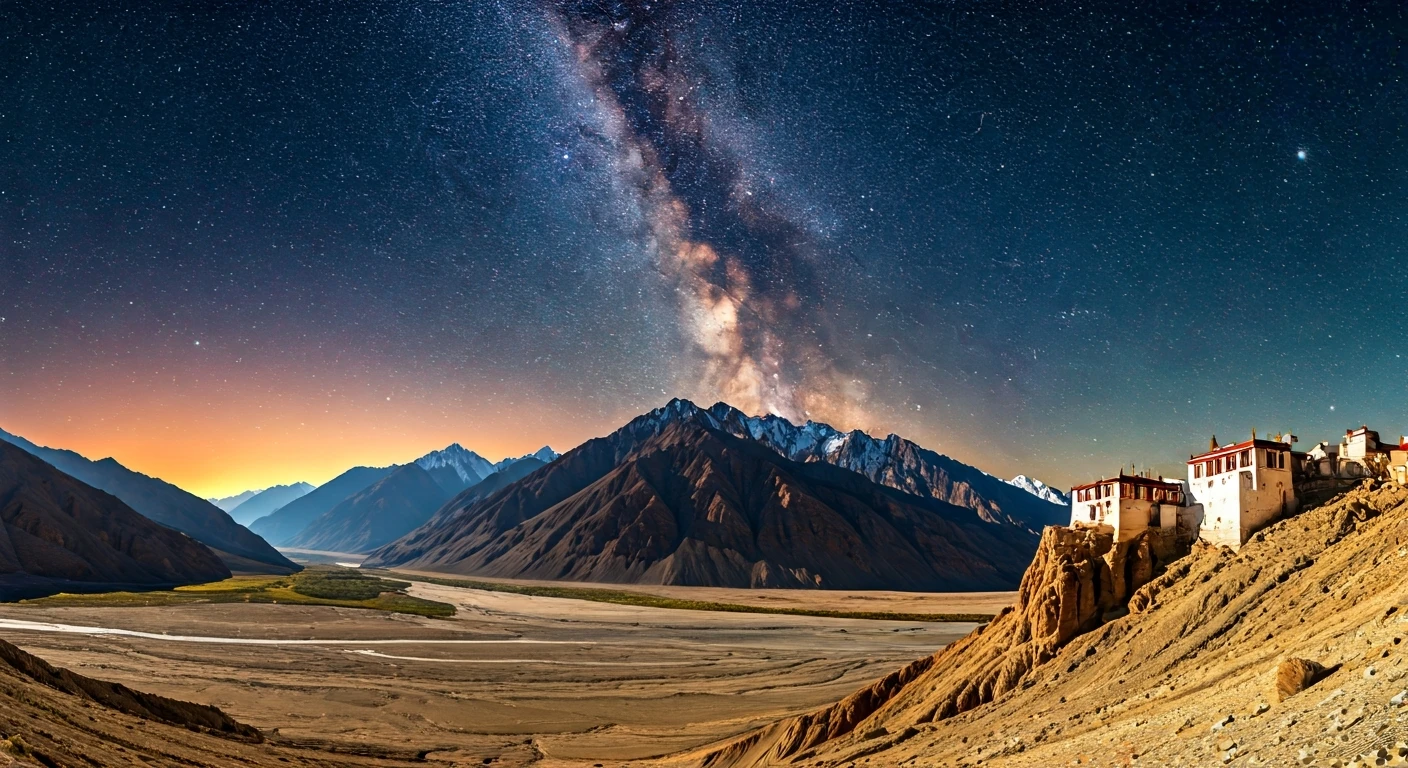
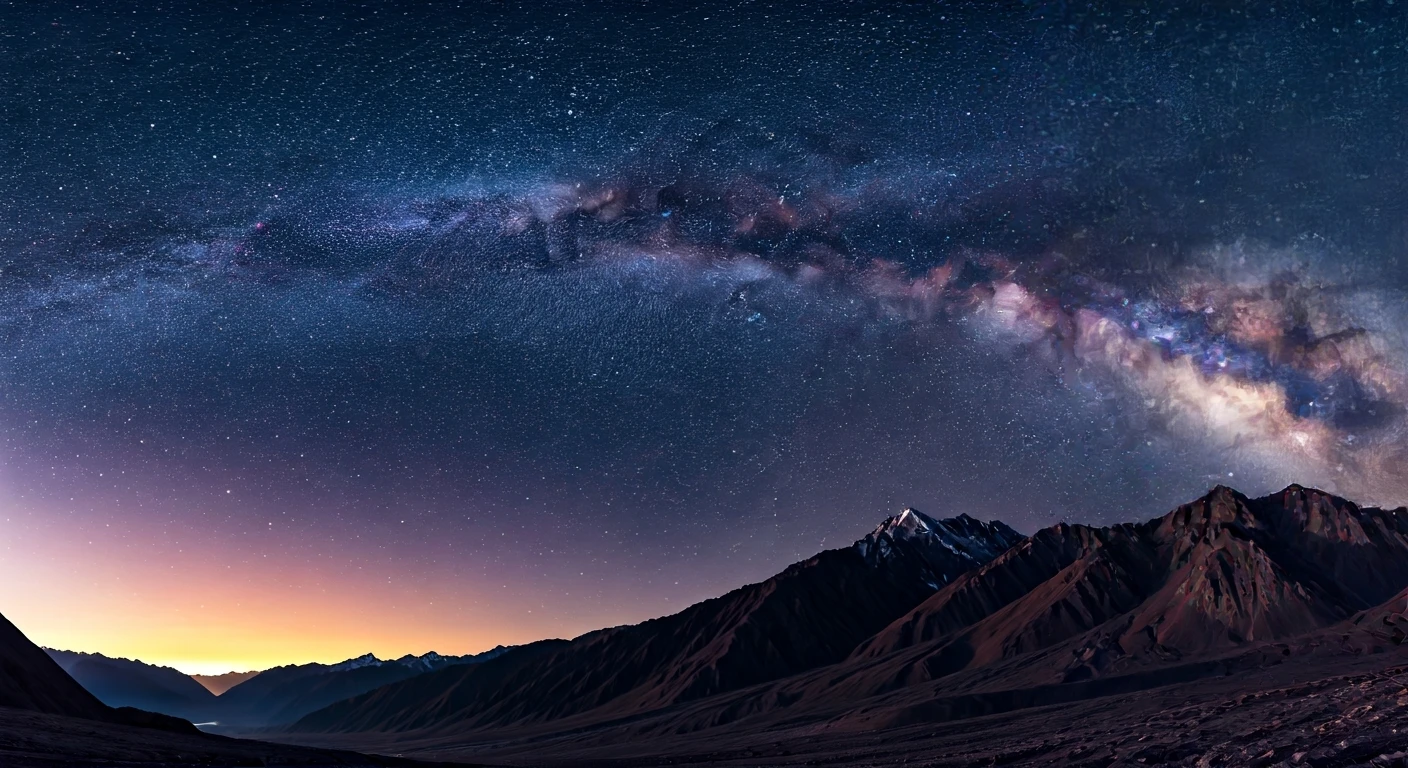
And then there’s the sky. Freed from the light pollution that blankets virtually every U.S. city, the night sky in Spiti is a revelation. It’s not just a scattering of stars; it’s a dense, glittering tapestry. The Milky Way isn't a faint smudge but a brilliant, cloud-like river of light splashed across the darkness. Constellations are so bright they seem close enough to touch. Standing outside a guesthouse in the village of Kaza or Tabo, wrapped in a jacket against the cold, you are confronted with the raw scale of the universe. It’s a humbling, perspective-altering experience that a hot city evening, with its orange-tinged sky, can never offer. It redefines what a 'night' can be—not just an absence of sun, but a magnificent spectacle in its own right.