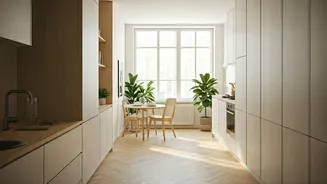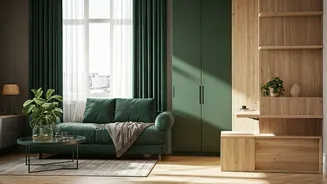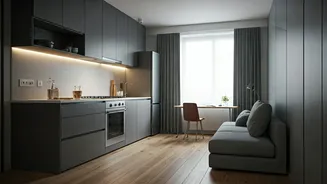

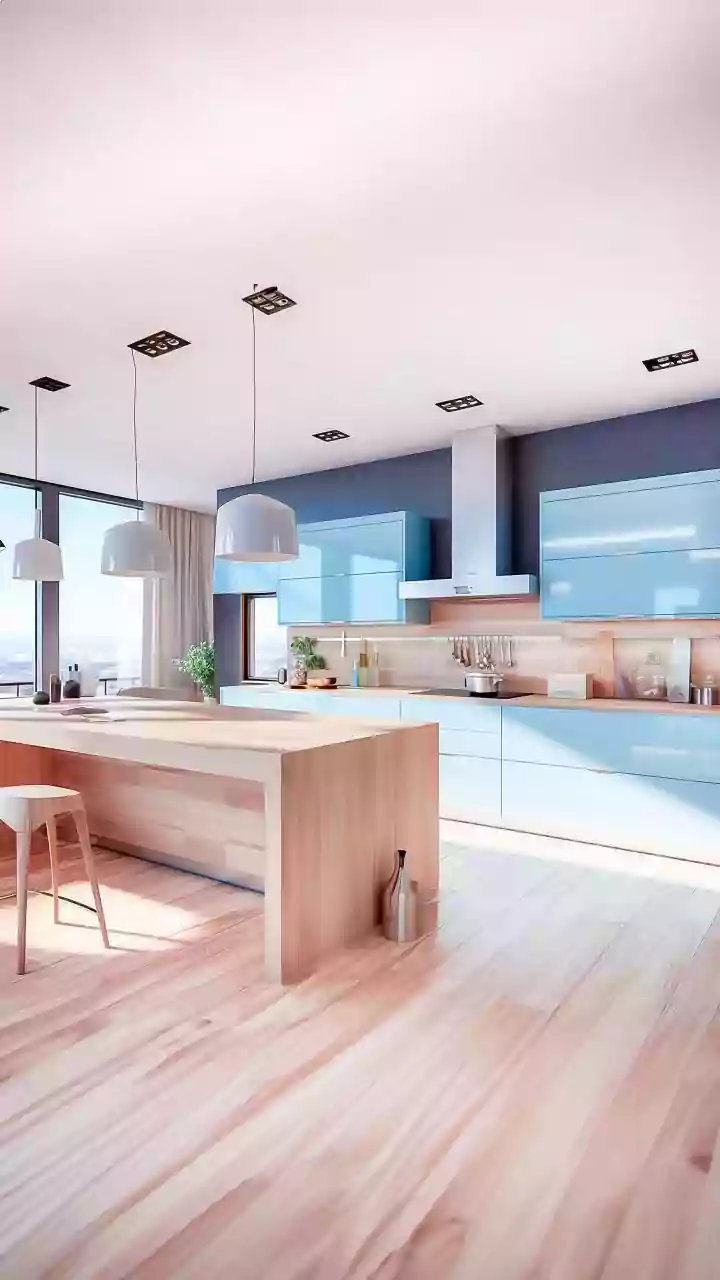



Everything Must Earn Its Place
In a conventional home, you can afford to have a chair that’s just for looks or a drawer filled with miscellaneous junk. In a 400-square-foot space, every single object and piece of furniture is on the front lines. This forces a ruthless but liberating
sense of intentionality. Designers of small spaces operate on a simple principle: if it doesn’t serve a purpose (or better yet, two purposes), it doesn’t get in the door. This mindset bleeds into the owner’s life, transforming them into a curator rather than a collector. The result is a space where everything feels essential and chosen, a powerful lesson for decluttering and simplifying any home, regardless of its size.
The Art of Going Vertical
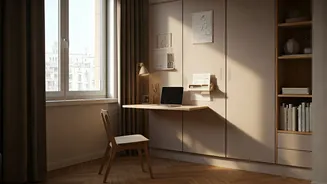
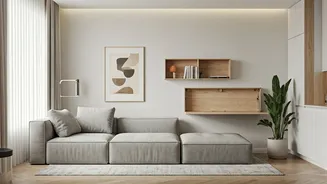
When you can't build out, you build up. This is perhaps the most visible innovation born from compact homes. Lofted beds are the classic example, but the principle goes much deeper. It’s about seeing the vertical plane as valuable real estate. Think floor-to-ceiling shelving that draws the eye upward, making the room feel taller. Consider hanging plants instead of placing them on a surface, or using wall-mounted desks and nightstands to free up floor space. By utilizing the volume of a room, not just its footprint, designers create a sense of spaciousness and functionality that would otherwise be impossible. It’s a simple shift in perspective that can unlock hidden potential in any room.
Furniture That Does Double Duty
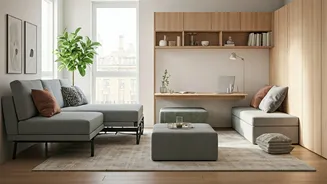
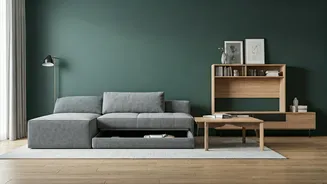
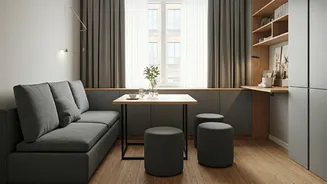
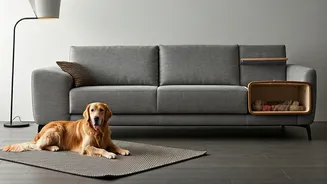
Multi-functional furniture is the secret weapon of small-space design. This isn't about clunky, awkward futons from the 90s. Today’s solutions are elegant, seamless, and incredibly clever. We're talking about a coffee table that lifts and expands to become a dining table for six. Stairs where each step is a pull-out storage drawer. A chic ottoman that hides a guest bed. A wall unit that seamlessly folds down into a desk. By demanding more from our furniture, designers are blurring the lines between objects and architecture. This approach challenges the static nature of traditional rooms, creating dynamic, adaptable environments that can change based on the needs of the moment.
Defining Zones, Not Rooms
In a studio apartment or a one-room tiny house, walls are a luxury you can’t afford. So how do you create the feeling of separate spaces? The answer is zoning. Through savvy interior design, you can delineate areas without a single physical barrier. A large area rug can anchor a “living room” in the middle of a larger space. A shift in flooring material—from wood to tile, for example—can signal the transition to a “kitchen.” A strategically placed open-backed bookshelf can create a sense of division for a bedroom nook while still allowing light and air to pass through. This technique creates psychological boundaries that make a single open space feel more organized, functional, and expansive.
Let There Be (Strategic) Light
Nothing makes a small space feel smaller than darkness. Designers of compact homes are masters of manipulating light, both natural and artificial. It starts with maximizing windows and using light-colored paints to bounce brightness around the room. But the real genius lies in the details. Mirrors are placed opposite windows to double the view and the light. Glass partitions or interior windows are used to share light between spaces without sacrificing privacy. Instead of a single, harsh overhead fixture, designers layer lighting: ambient light for general illumination, task lighting for specific activities (like reading or cooking), and accent lighting to highlight architectural features. This thoughtful approach makes the space feel more open, airy, and inviting.