






Beyond the Golden Latte
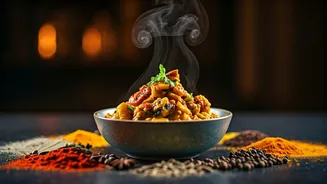
Before it was a $7 menu item at your local cafe, the concept of 'turmeric-forward' food was being perfected in the kitchens of Indian temples. This isn't just about adding a trendy spice; it's a complete culinary system known as Sattvic cooking. The term
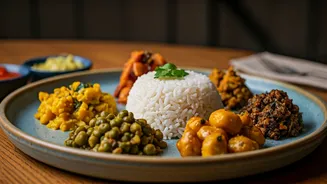
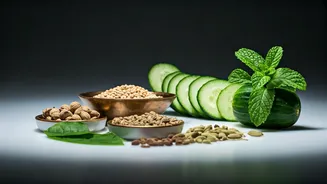
comes from the Sanskrit word 'sattva,' which means pure, clean, and harmonious. In essence, temple food is designed to nourish both the body and the mind, promoting clarity and tranquility. Forget the intense flavors that dominate many restaurant meals. A Sattvic diet avoids pungent ingredients like onions and garlic, as well as meat, fish, and eggs. It also steers clear of anything overly spicy, salty, or sour, and anything that is stale, processed, or fermented (with some exceptions like yogurt). The focus is on fresh, seasonal vegetables, fruits, whole grains, legumes, nuts, and dairy from respected sources. The goal isn't to shock the palate, but to soothe it.
Food for the Soul, Literally
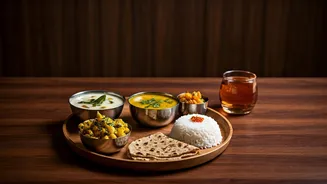
The philosophy behind temple food is rooted in Ayurveda, India's ancient system of medicine and wellness. According to Ayurvedic principles, food is categorized into three types, or 'gunas,' based on its effect on our consciousness. 'Tamasic' foods (like stale food or meat) are believed to cause lethargy and dullness. 'Rajasic' foods (like onions, garlic, and overly spicy dishes) are said to create restlessness and agitation. 'Sattvic' food is the ideal, believed to foster a state of calm, clarity, and spiritual awareness. When you eat at a temple, you're not just consuming calories; you're ingesting food prepared with intention and devotion. Often, the meal is first offered to the temple's deity in a ritual known as 'naivedya.' The food that is then distributed to devotees is called 'prasad,' considered a blessed offering. It’s prepared in a state of meditative calm by volunteers or priests, and eating it is a spiritual act—a way of connecting with the divine and the community.
Turmeric’s Sacred Role
So where does turmeric fit in? In the West, we celebrate it primarily for its anti-inflammatory properties, thanks to its active compound, curcumin. But in India, its significance is far deeper and more symbolic. Turmeric, or 'haldi,' is considered one of the most auspicious spices in Hinduism. Its brilliant golden-yellow color is associated with the sun, prosperity, and purity. It's used in religious ceremonies, weddings, and daily prayers as a symbol of spiritual purification and protection. In Sattvic cooking, turmeric is used not for aggressive flavor but for its gentle warmth, its earthy notes, and its purifying qualities. It’s a key component that contributes to the food's vibrant but gentle nature, believed to help cleanse the body's energy channels ('nadis') and balance the 'doshas' (the body’s elemental forces in Ayurveda). Its inclusion is as much for spiritual wellbeing as it is for physical health, a distinction often lost in its modern commercial packaging.
Lost in Translation?
As the wellness industry packages these ancient principles into sleekly branded products, something is inevitably gained—and something is lost. The gain is accessibility. More people are discovering the benefits of plant-based eating and mindful ingredients. A turmeric-infused smoothie is, for many, a healthier choice than a sugary soda. However, the loss is context. Temple food is fundamentally about humility, community, and detachment from the ego. It's often served for free, to everyone regardless of social standing, eaten while sitting on the floor to reinforce equality. Turning it into a luxury consumer good—an expensive 'detox' bowl enjoyed in solitude—inverts its core purpose. The focus shifts from communal spiritual nourishment to individualistic self-optimization. While the ingredients may be similar, the soul of the experience is profoundly different. The Western adaptation champions the 'what' (turmeric, lentils, ghee) but often misses the 'why' (devotion, purity of mind, community).