
More Than Just 'Spicy'
For most Americans, 'Indian food' often brings one word to mind: spicy. But that's like saying all American barbecue is just 'smoky.' The reality is a universe of complex flavors, and none are more exciting right now than 'chatpata.' The Hindi word doesn't
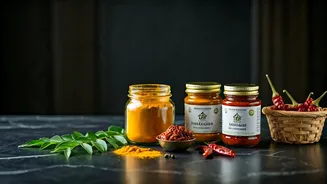
have a perfect English equivalent. It’s not just hot; it’s a full-on sensory ambush in the best possible way. Think of it as a flavor chord: there's the tangy punch from amchoor (dried mango powder) or tamarind, a savory depth from cumin and coriander, a funky, sulfuric kick from kala namak (black salt), and a wave of heat from red chili. It's the flavor that makes you salivate, the one that makes your eyes widen slightly as your brain tries to process the delicious, layered assault on your taste buds. It’s the culinary equivalent of a perfectly executed plot twist—surprising, addictive, and incredibly memorable.
The Undeniable Taste of the Streets
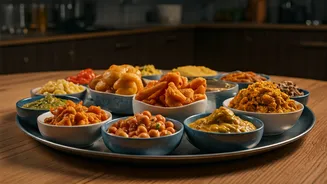
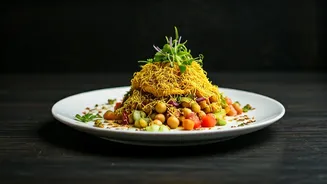
This flavor profile isn’t a new invention. Its soul lives in 'chaat,' India’s vibrant and beloved category of street-side snacks. From pani puri (hollow crisps filled with spiced water, potatoes, and chickpeas) to bhel puri (a crunchy mix of puffed rice, vegetables, and tangy chutneys), chaat is the original home of the chatpata sensation. It’s a cuisine of improvisation and texture, served up on sidewalks and in bustling market stalls. For generations of Indians, this flavor is synonymous with fun, friends, and affordable indulgence. It’s a deeply ingrained taste memory, a flavor that feels like home. So when modern cafes and global chains tap into it, they aren't just adding an ingredient; they're plugging directly into a powerful cultural current, evoking a nostalgia and craving that a standard burger or pizza simply can't match.
The Global Menu Gets a Makeover
Here's where the 'smart upgrade' comes in. International fast-food giants like McDonald's and Domino's learned long ago that a one-size-fits-all menu doesn't work in a country with a palate as sophisticated as India’s. Their solution? Go chatpata. McDonald's India doesn't just sell Big Macs; its star players include items like the McAloo Tikki burger, a spiced potato patty that has been on the menu for decades, and more recent additions like fries dusted with 'peri peri' seasoning—a close cousin to the chatpata profile. Pizza Hut and Domino's offer paneer (Indian cheese) pizzas with spicy, tangy marinades that are a world away from a standard pepperoni. This is a brilliant business move. Instead of reinventing the wheel, these brands use a familiar flavor as a Trojan horse, making their global products feel excitingly local. It's a low-cost, high-impact way to prove they understand their customers, turning a simple menu item into a craveable, regional specialty.
A Flavor That Crosses All Borders
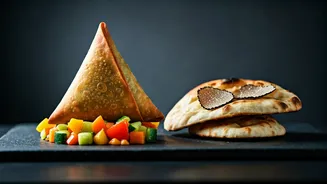
The trend isn't limited to multinational corporations. It’s a nationwide phenomenon. Across India, a new generation of chefs and restaurateurs are creatively weaving chatpata flavors into everything imaginable. You can find chatpata-dusted popcorn at movie theaters, spicy masala-infused tacos at trendy cafes, and even tangy, spiced-up pasta dishes in modern bistros. This isn't about fusion for fusion's sake; it's about using a beloved, foundational flavor profile as a modern culinary language. It’s a testament to the versatility of the taste itself. By adding that familiar tangy-salty-spicy kick, chefs can make foreign concepts feel instantly accessible and comforting, while also giving traditional dishes a contemporary edge. The chatpata craze proves that a flavor can be both deeply traditional and radically modern at the same time, a bridge between the street stall and the chef's table.