

More Than Just Tradition
Let’s be honest: for many Americans, the experience of Indian food has been largely defined by a cozy, neighborhood curry house. Think rich sauces, creamy lentils, and pillowy naan—delicious, but representing just a sliver of the subcontinent's staggering
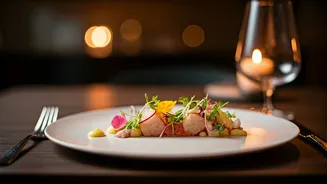
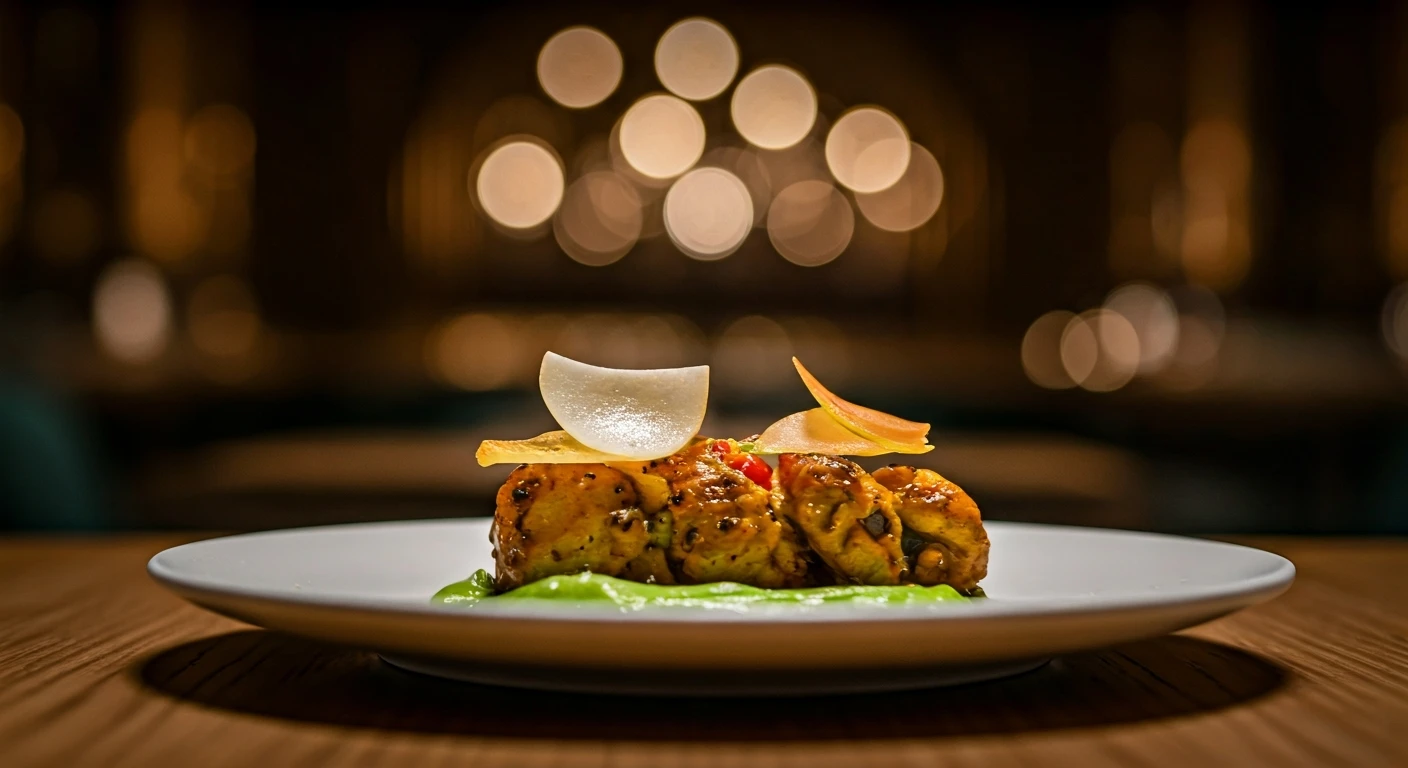
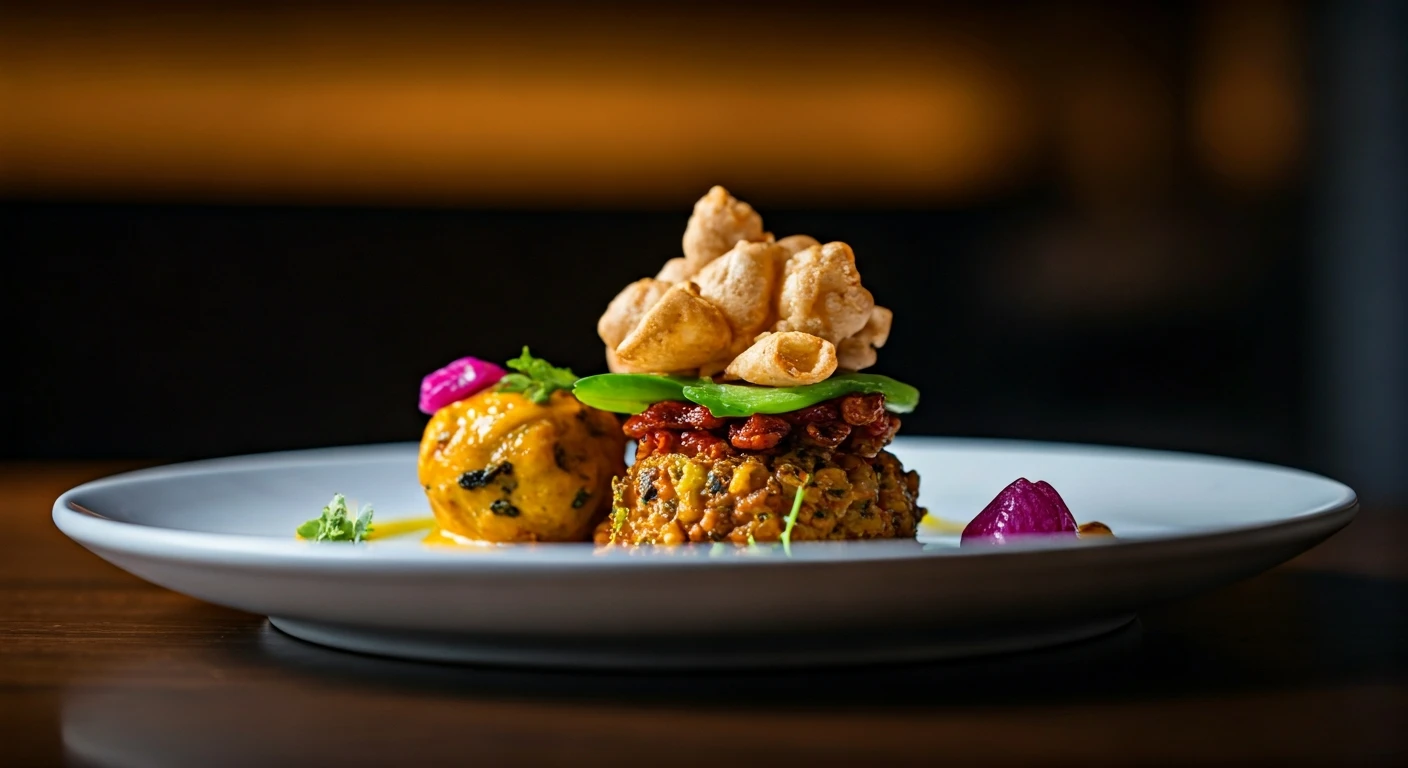
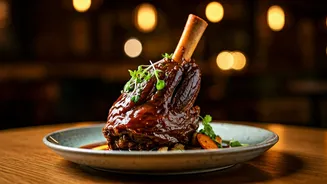
culinary diversity. But a seismic shift is underway. In Mumbai, New Delhi, and Chennai, a new generation of chefs and restaurateurs are deconstructing, reimagining, and elevating Indian cuisine to a level of artistry that is finally getting its due on the world stage. These aren't just restaurants; they are culinary laboratories where ancient traditions meet avant-garde techniques, and the results are putting India firmly on the global fine-dining map.
The New Guard and Their Philosophy
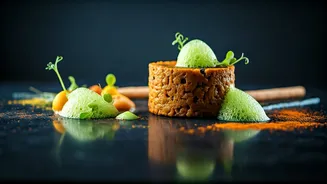
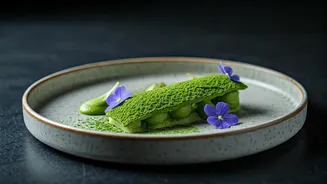
The movement is being led by a cadre of chefs who are as much storytellers as they are cooks. Take, for example, the philosophy at Masque in Mumbai, a perennial fixture on Asia's 50 Best Restaurants list. The team embarks on regular expeditions into the Himalayas and remote parts of the country to source forgotten ingredients, from sea buckthorn to foraged mushrooms. Their tasting menu is a journey across India's landscape, presenting familiar flavors in utterly unfamiliar forms. Similarly, at Avartana in Chennai, which has also earned regional accolades, chefs apply modern techniques like spherification and foam to classic South Indian dishes, creating a multi-sensory experience that honors the past while rocketing into the future. These establishments, along with pioneers like Indian Accent in New Delhi, are proving that Indian food can be delicate, precise, and conceptually driven.
What’s Driving the Recognition?
Several factors are converging to create this moment. First, the rise of influential awards like Asia’s 50 Best Restaurants has provided a crucial platform. For years, these lists were dominated by restaurants in Japan, Singapore, and Thailand. Now, by consistently ranking restaurants in India (and Indian-led concepts in places like Dubai and Bangkok), the awards are signaling a shift in the continent’s culinary center of gravity. Second, there's a growing domestic audience. A new generation of affluent, well-traveled Indians is demanding more sophisticated dining experiences at home, creating a sustainable market for high-concept restaurants. Finally, many of these chefs have international experience, having trained in Michelin-starred kitchens in Europe or the U.S. before returning home, armed with global techniques but filled with a renewed confidence in their own culinary heritage.
Redefining Authenticity
Perhaps the most exciting part of this evolution is how it challenges our idea of “authenticity.” The new wave of Indian fine dining isn't about perfectly replicating a grandmother's recipe. Instead, it’s about authenticity of ingredients, flavor, and intent. Is a dish that uses Himalayan fiddlehead ferns prepared with a French technique any less “Indian”? These chefs would argue it’s more so, because it’s rooted in a specific place and time. They are moving beyond mimicry to a confident expression of modern Indian identity. This isn’t a watered-down version for foreign palates; it’s a bold declaration that Indian cuisine is a living, breathing art form, capable of infinite complexity and innovation.