


The Lake at the Center of Everything
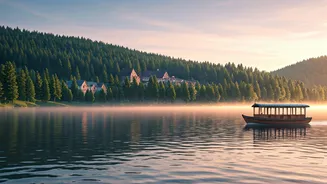
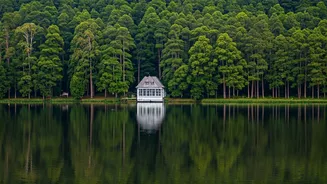
The soul of Nainital is its namesake lake, Naini Tal, a shimmering, emerald-green body of water shaped like a crescent moon. Life here revolves around its gentle rhythms. Instead of rushing from one sight to another, a day’s main event might be hiring
a colorful paddleboat and simply drifting. The chaos of modern life feels a world away as you glide past weeping willows and watch the reflections of colonial-era bungalows dance on the water’s surface. This isn’t a place for adrenaline; it’s a place for contemplation. The two-mile promenade that encircles the lake, known as the Mall Road, is a destination in itself. Locals and visitors alike participate in the unhurried ritual of the evening stroll, pausing for roasted corn-on-the-cob or to simply watch the sunset paint the sky over the surrounding Kumaon Hills.
A Stroll Through a Colonial Past
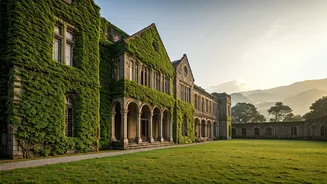
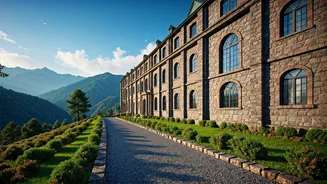
Nainital’s “Old-World” character isn’t just a marketing slogan; it’s baked into its architecture and atmosphere. Founded by the British in 1841 as a cool-climate escape from the scorching Indian plains, the town retains the distinct feel of a colonial hill station. Grand Victorian and Gothic structures dot the landscape, offering a tangible connection to the past. You can feel the history while walking the grounds of St. John’s in the Wilderness, an Anglican church dating back to 1844, or admiring the imposing Scottish-castle design of the Governor’s House. The iconic Nainital Yacht Club, one of the oldest in India, still hosts sailing regattas on the lake. This historical layering invites visitors to slow down and look closer, turning a simple walk into a journey through time rather than just a means of getting from point A to point B.
The Quiet Call of the Hills
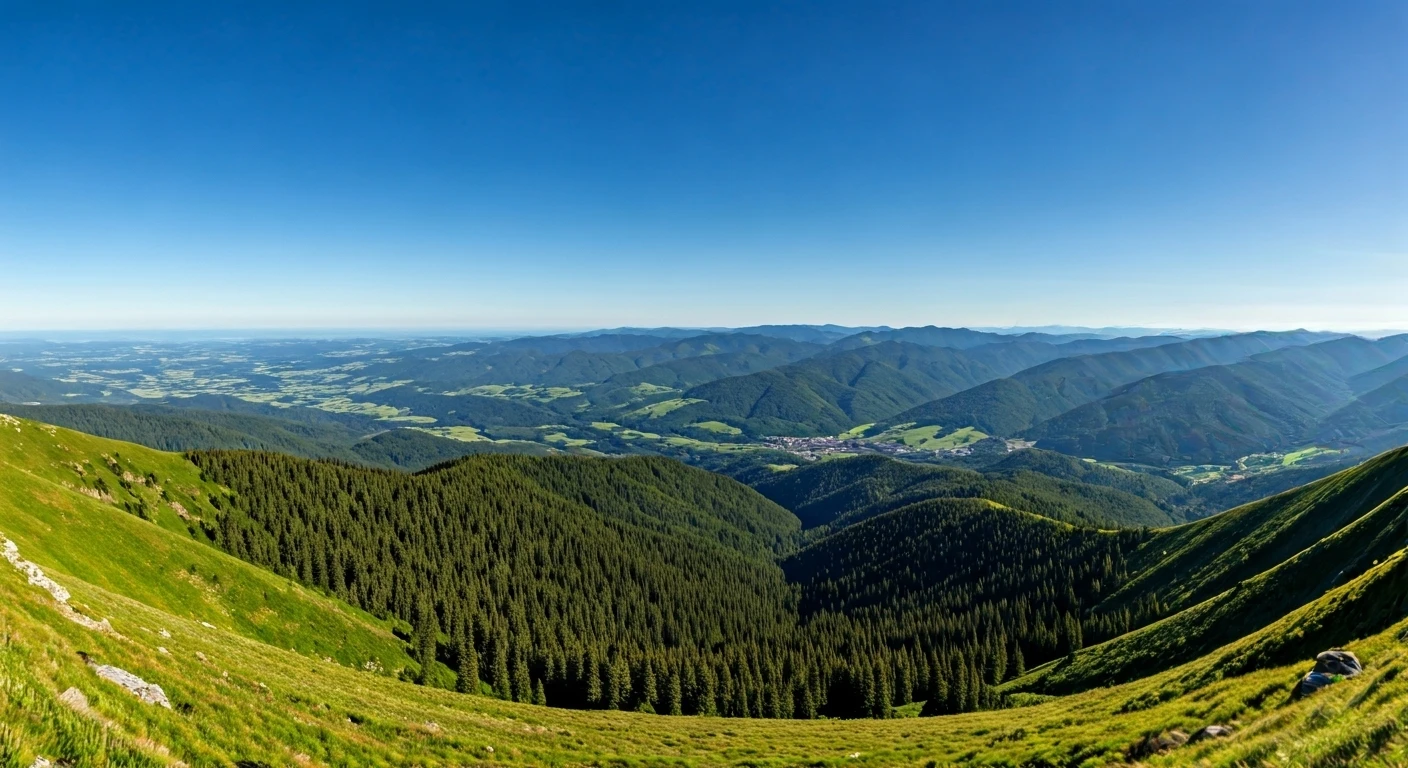
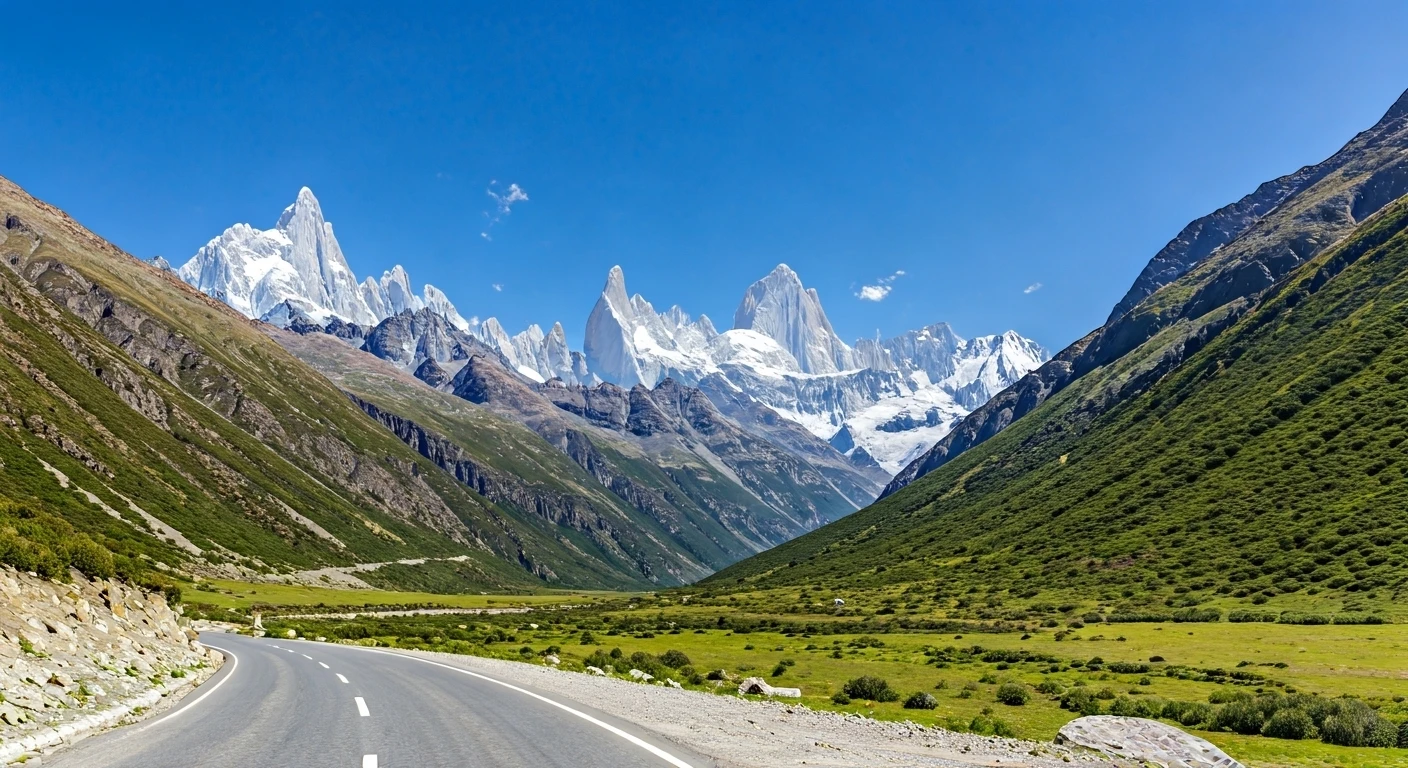
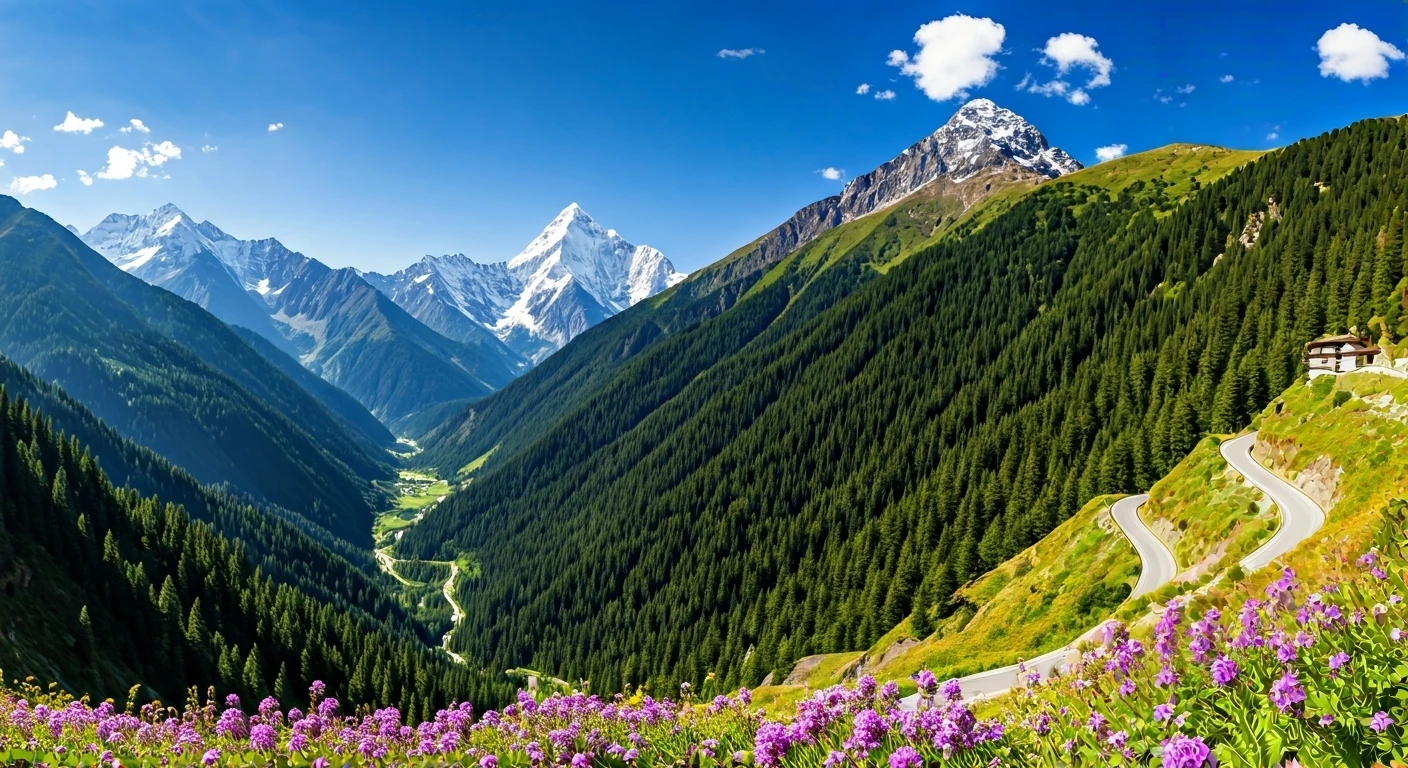
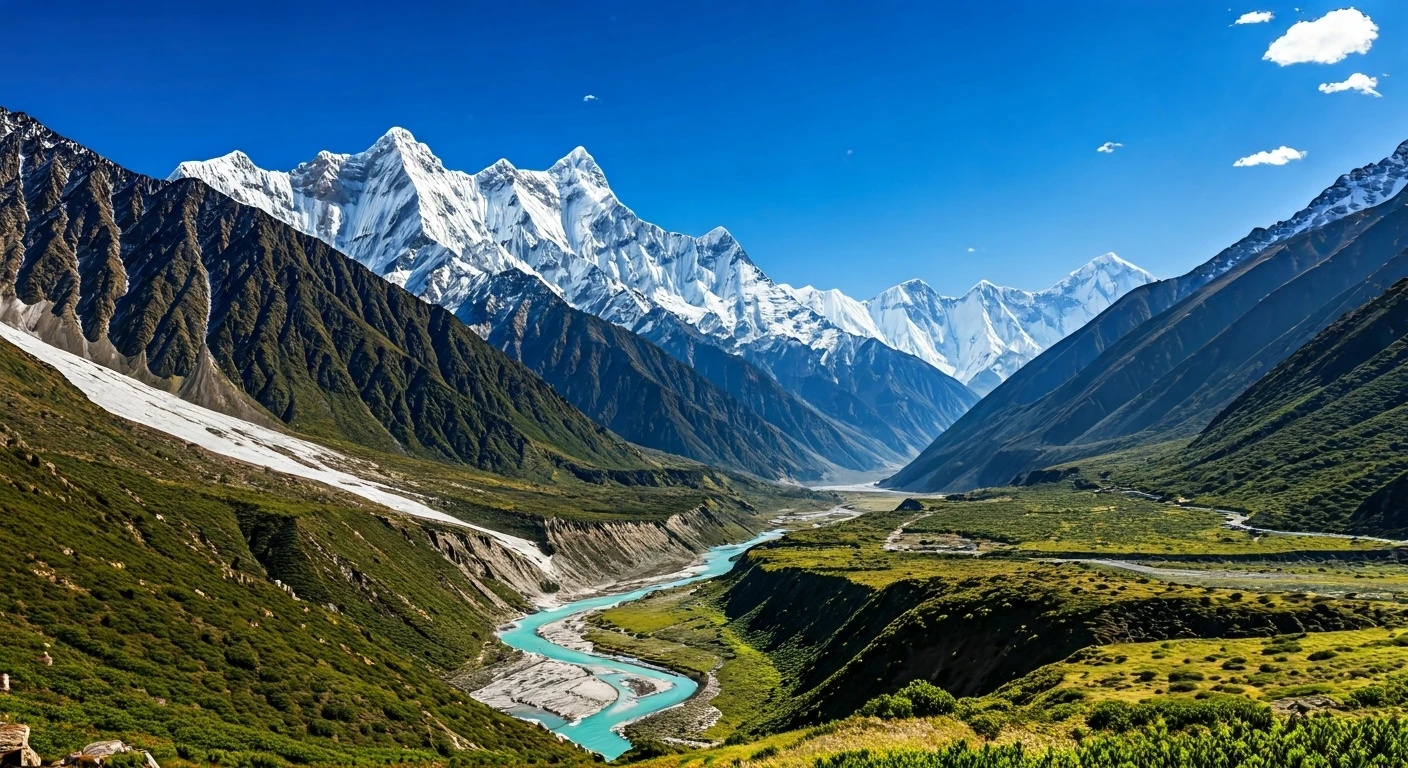
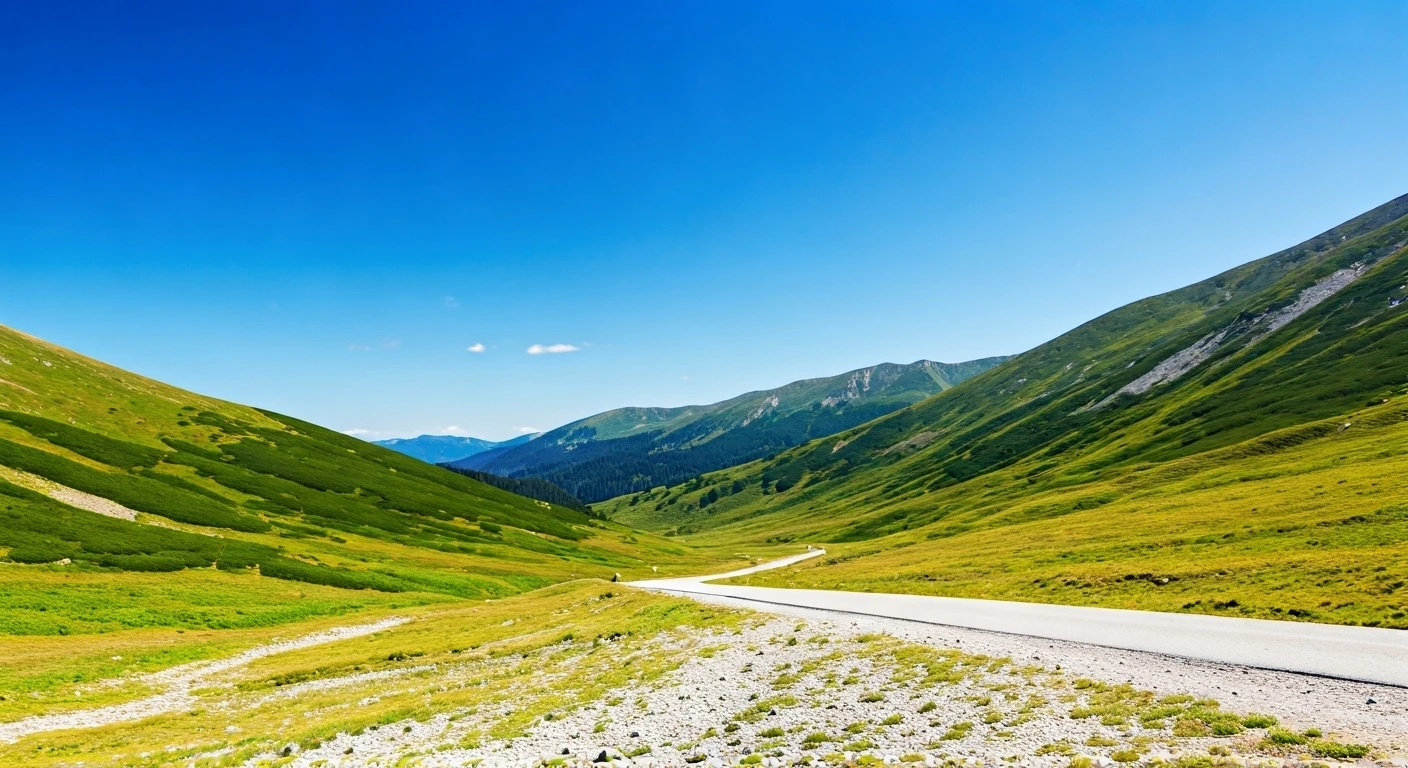
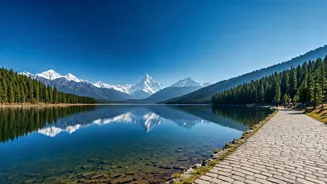
While the lake is the town’s heart, its spirit resides in the surrounding hills. This is where slow travel truly comes into its own. Rather than a quick taxi ride to a viewpoint, the journey becomes the reward. Well-trodden trails lead from the town center up to panoramic spots like Tiffin Top and Snow View, the latter once accessible only by pony. The hike up, through dense forests of oak and pine, is an immersion in nature. The air grows crisper, the scent of pine needles fills your lungs, and the only sounds are birdsong and the rustle of leaves. Reaching the summit feels earned, and the reward is a breathtaking, unobstructed view of the snow-capped Himalayan peaks, including the majestic Nanda Devi. It’s an experience that demands presence and patience, the core tenets of the slow travel philosophy.
Immersing in Local Rhythms
Slow travel is ultimately about connection—to a place, its people, and its culture. Nainital makes this easy. It means skipping the hotel buffet to find a small stall selling 'momos' (steamed dumplings) in the bustling Tibetan Market. It’s about spending an hour browsing the eclectic collection of candles in a generations-old shop, or simply finding a bench to watch families enjoying the mountain air. The town isn’t a sterile tourist resort; it’s a living community. You can hear the distant chanting from the Naina Devi Temple, one of India’s most sacred Hindu sites, as you wander the quieter backstreets. By embracing this unhurried pace, travelers move from being mere spectators to becoming, for a short while, part of the town’s gentle, unfolding story.