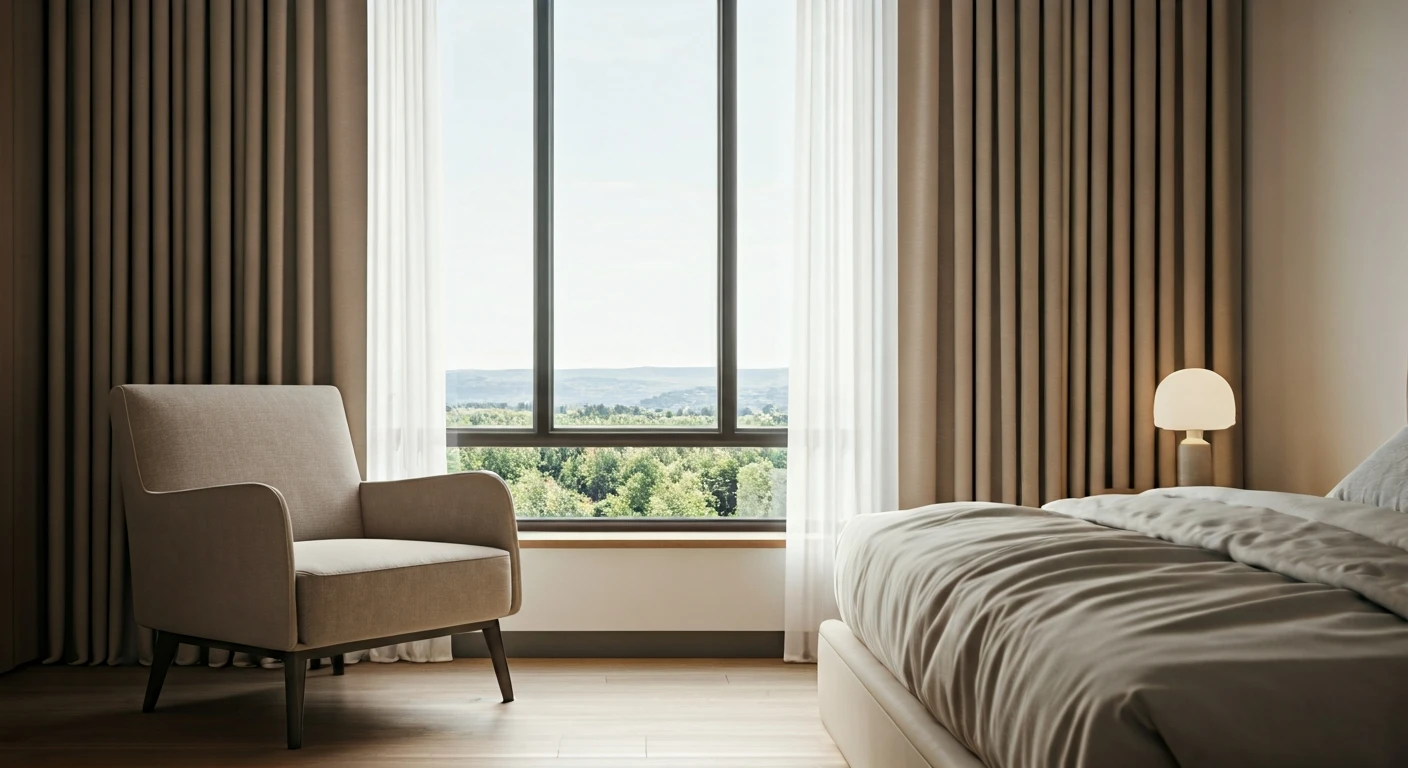






The New Currency of Calm
For decades, luxury hospitality was a technological arms race. Who had the flattest flat-screen? The most intuitive in-room tablet? The fastest internet connection? The goal was to provide a seamless, hyper-efficient environment that mirrored—or surpassed—the
comforts of a guest’s digitally saturated home. But a fascinating shift is underway. As our daily lives become a relentless scroll of notifications, emails, and Zoom calls, the very definition of luxury is being rewritten. The new pinnacle of opulence isn't about more connectivity; it's about the freedom to escape it. Time and attention, once taken for granted, are now the scarcest resources. High-end hotels have realized that providing an environment where guests can reclaim these resources is the most valuable service they can offer. It's a pivot from showcasing what technology *can* do to curating what it *doesn't have* to do.
From Streaming Services to Vinyl Records
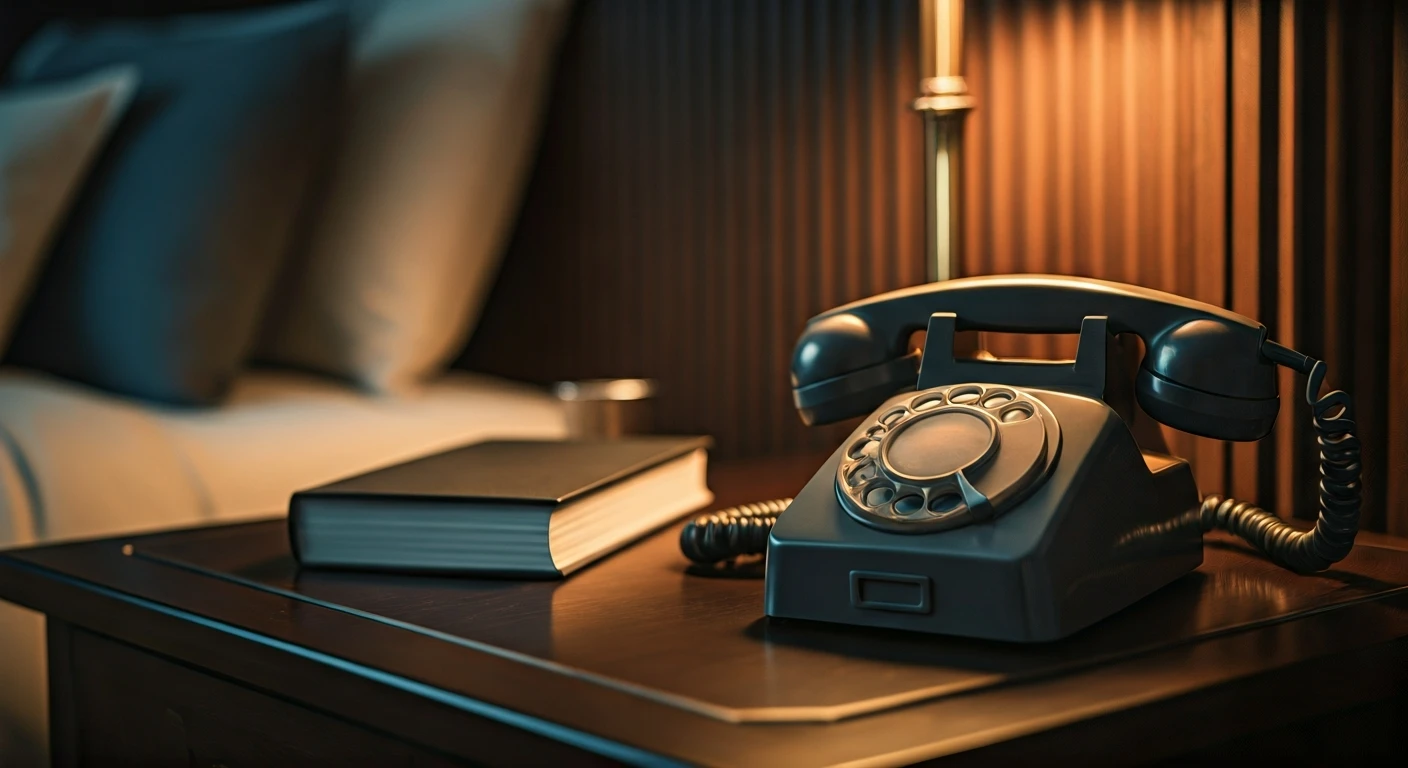
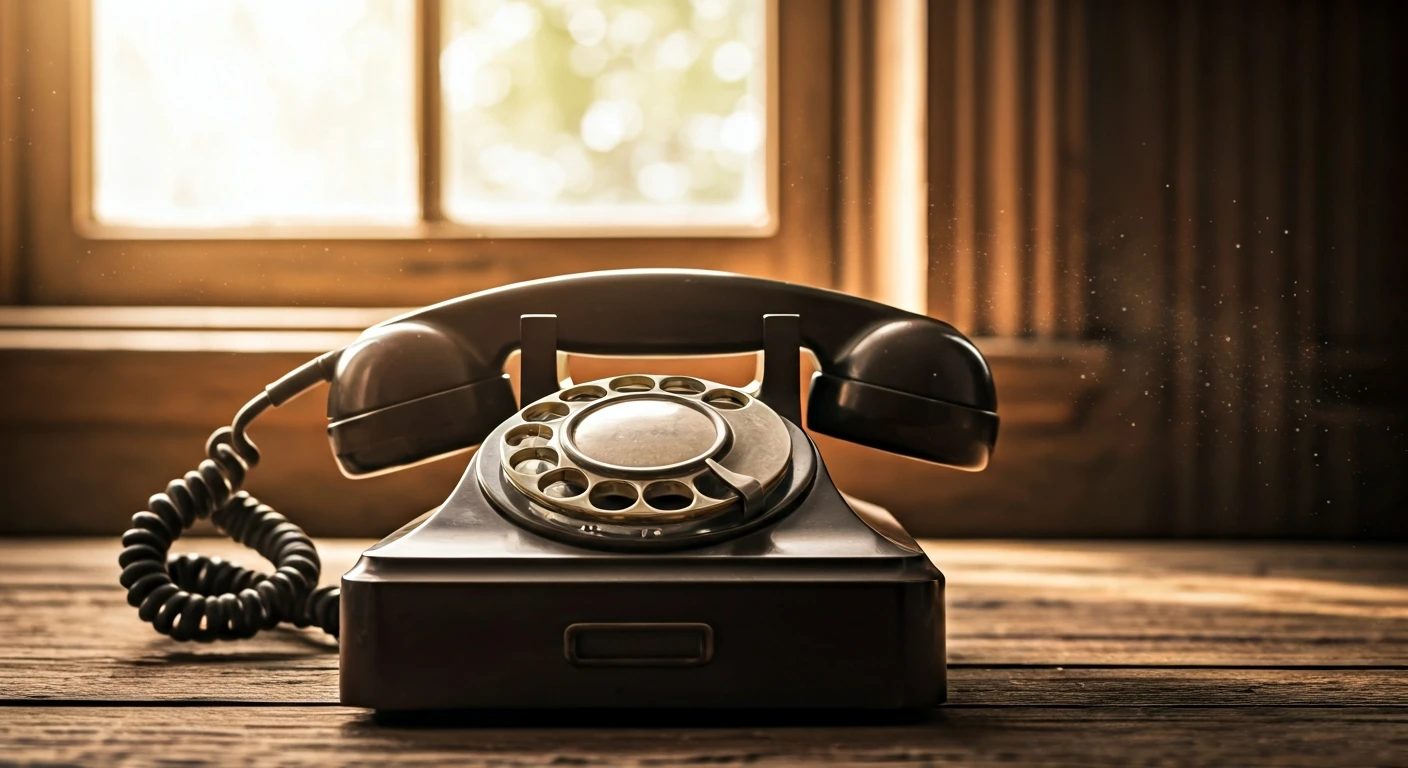
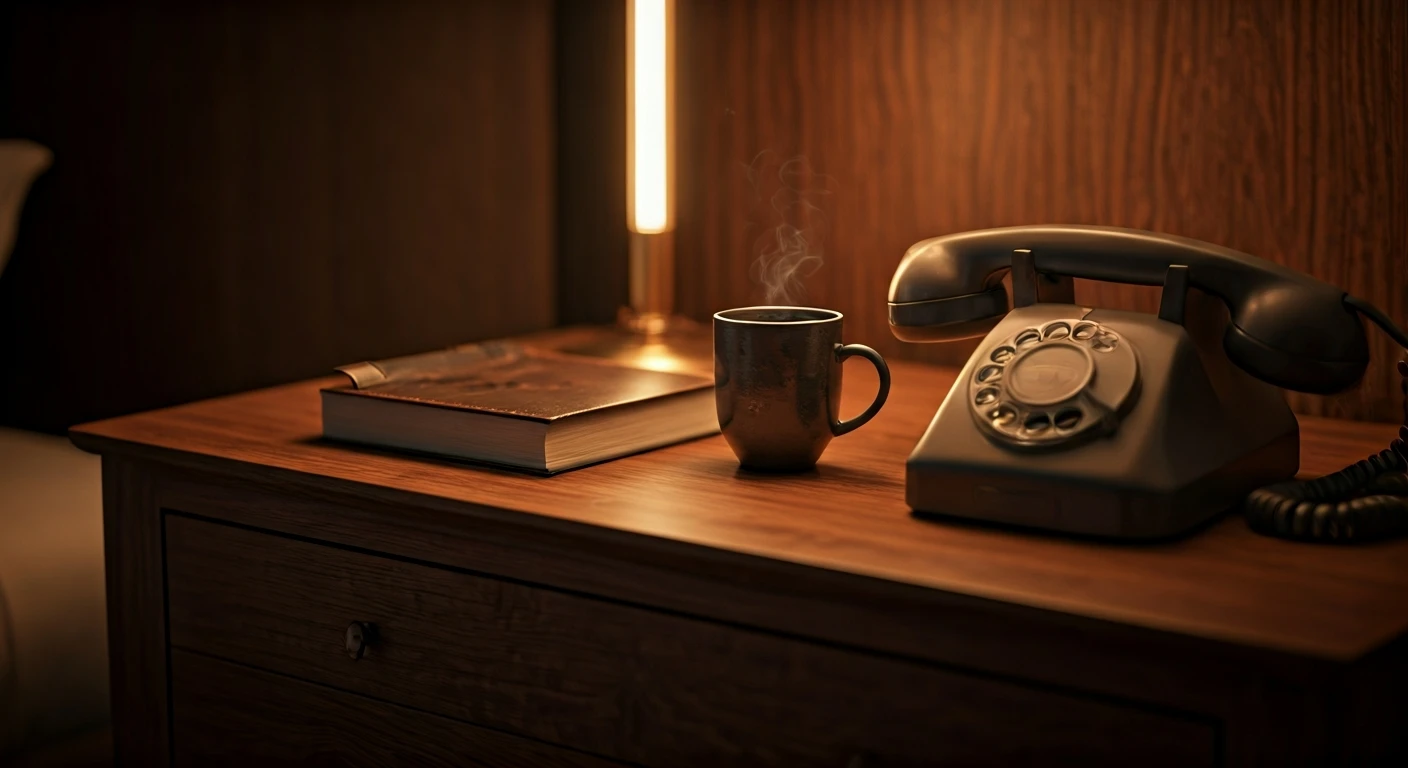
Step into one of these properties, and the change is palpable. Instead of a blinking smart-hub on the nightstand, you might find a classic rotary phone or a simple alarm clock. The sterile, corporate art is replaced by a thoughtfully curated bookshelf, filled with novels and local histories inviting you to lose yourself in a story. The minibar might be accompanied by a Polaroid camera or a sketchbook, encouraging you to capture memories tangibly. Perhaps the most iconic symbol of this movement is the return of the in-room record player. At hotels like The Dean in Dublin or The Shinola Hotel in Detroit, guests can browse a library of vinyl and fill their room with the warm, imperfect crackle of an album. It’s an act that demands intention. You have to choose the record, place it on the turntable, and drop the needle. You are an active participant, not a passive consumer of a algorithm-generated playlist. Each analogue amenity serves the same purpose: to replace passive consumption with mindful engagement.
The Psychology of Unplugging
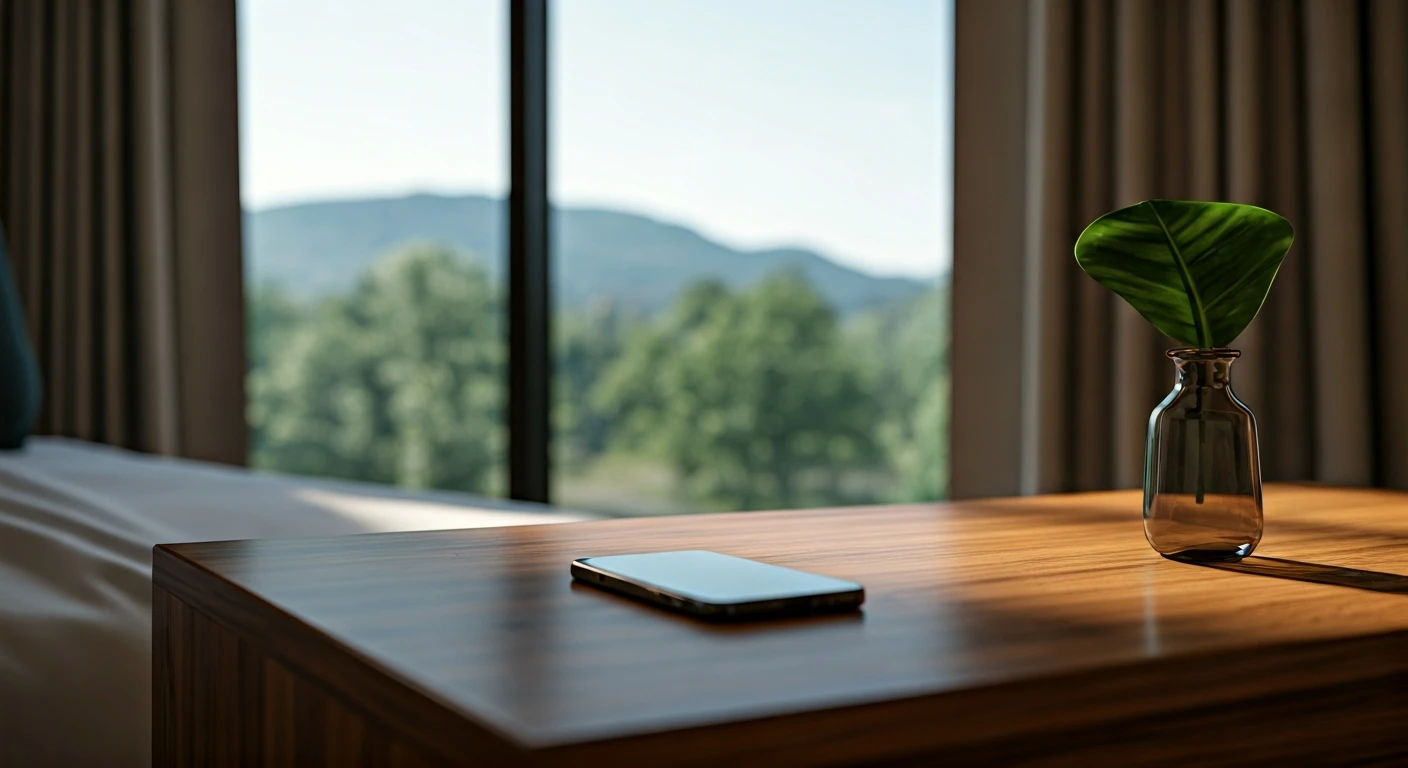
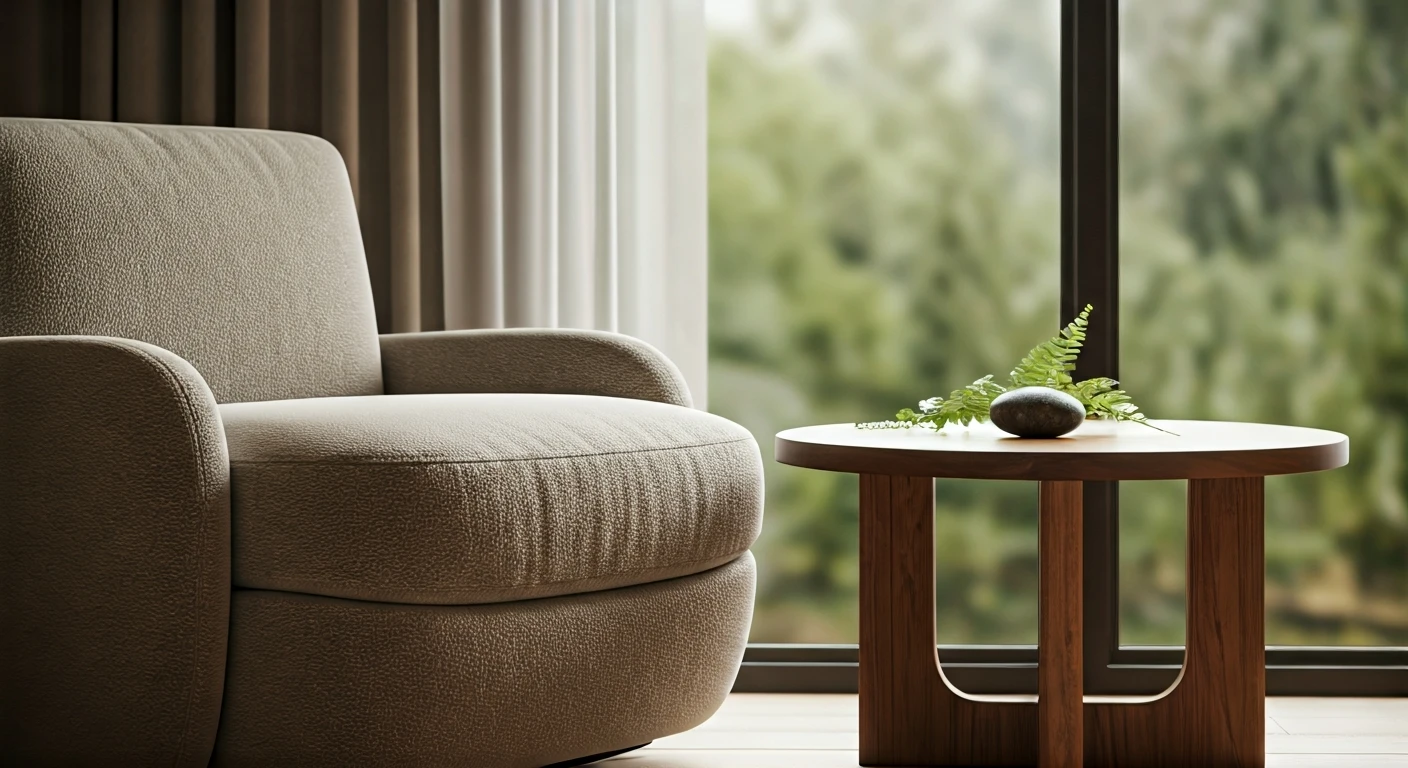
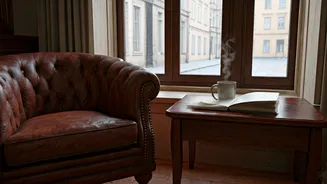
This trend isn't just about nostalgia or hipster aesthetics. It’s a direct response to a well-documented phenomenon: digital burnout. Constant connectivity keeps our brains in a state of high alert, creating a low-grade hum of anxiety that follows us everywhere. By removing the digital triggers, these hotels create a space where the nervous system can finally downshift. The absence of a screen encourages you to look out the window. The lack of notifications allows for an uninterrupted conversation. The presence of a deck of cards or a board game fosters genuine connection with a partner or family. This 'analogue living' forces a cognitive reset. It slows your perception of time because you are more present in each moment, rather than mentally skipping ahead to the next notification or task. The experience feels 'slower' not because less is happening, but because you are fully experiencing what *is* happening.
Is It Just a Gimmick?
A cynic might dismiss this as a clever marketing ploy—a way to charge premium rates for fewer technological overheads. And while the commercial appeal is undeniable, the trend’s success reveals a deeper truth about our collective desires. People are actively seeking permission to disconnect. We know we should put our phones away, but the allure is often too strong. An environment that removes the temptation feels less like a restriction and more like a relief. Hotels are essentially selling a pre-packaged digital detox, wrapped in the comforting guise of luxury. They provide the structure for a behavior we aspire to but struggle to implement on our own. It's a recognition that in the 21st century, the most profound luxury isn't owning the latest gadget, but having the peace of mind to forget it exists, even if just for a weekend.