


Beyond the Butter Chicken Monolith
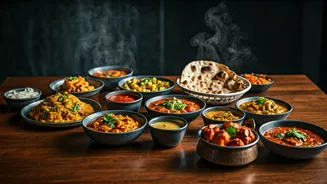
Ask an American to name an Indian dish, and you’ll likely hear butter chicken, naan, or samosas. For a long time, this wasn’t just an external perception; it was a domestic reality. A standardized, North Indian-heavy menu dominated restaurants from Mumbai
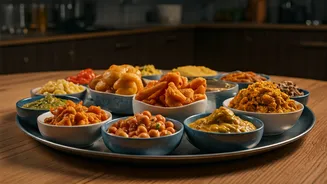
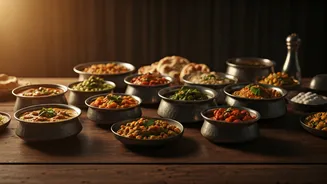
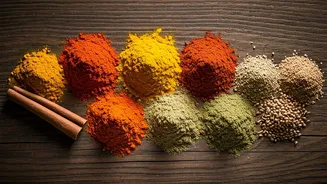
to Bengaluru, offering a reliable but ultimately generic experience. But that’s changing. When young Indians talk about wanting food with 'more geography,' they're expressing a desire to break free from this culinary monolith. They’re looking for food that tastes like a place. This isn't about novelty for its own sake. It’s a search for authenticity and specificity. It means swapping a generic 'fish curry' for a Malvani curry from the Konkan coast, made with a specific souring agent like kokum. It's about understanding that the food from the mountains of Uttarakhand is vastly different from the cuisine of the Chettinad region in the south. This movement values terroir—the idea that the soil, climate, and local ecosystem give food a unique character—and celebrates recipes that have been passed down through families, not mass-produced for commercial kitchens.
What's Fueling the Hunger for Hyperlocal
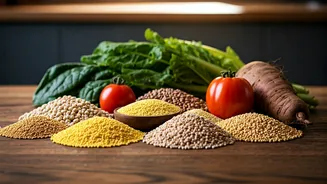
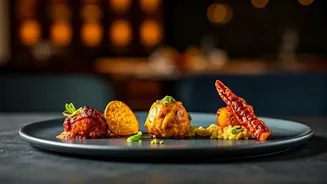
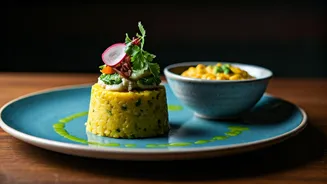
Several forces are converging to drive this trend. First, there's a generational search for identity. As India becomes more globalized, many young, urban Indians are looking inward to reconnect with their roots. Food is one of the most accessible and delicious ways to do that. Exploring the cuisine of their grandparents' native village becomes a powerful act of cultural reclamation. Second, the internet and social media have been enormous catalysts. Instagram food bloggers and travel influencers are bypassing mainstream restaurants to showcase hole-in-the-wall eateries in remote towns or document their discovery of a rare regional spice. This visual storytelling has made once-obscure local dishes aspirational. A perfectly plated dish of black rice (chak-hao) from Manipur, for example, is not just food; it’s a status symbol of a well-traveled, discerning palate. Finally, there's a growing consciousness around health and sustainability. The farm-to-table movement, a familiar concept in the U.S., has found a firm footing in India. Consumers are increasingly asking where their food comes from, favoring seasonal, locally sourced ingredients over processed alternatives. This has led to a revival of ancient grains like millet and a new appreciation for foraged greens and indigenous vegetables.
A Taste of Place on the Plate
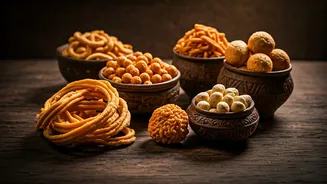
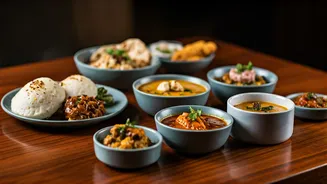
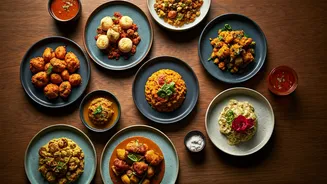
This trend isn't just theoretical; it’s showing up on menus and in markets across the country. Innovative chefs are building entire restaurant concepts around the cuisine of a single, underrepresented state. You can now find restaurants in major cities dedicated to the subtle, flavorful dishes of Odisha, the fermented foods of Nagaland, or the rustic preparations of Bihar—cuisines that were previously confined to home kitchens. This geographical specificity extends to ingredients themselves. India's system of Geographical Indication (GI) tags, similar to Europe's 'protected designation of origin' for products like Champagne or Parmesan cheese, has become a mark of pride. Young consumers seek out Banganapalle mangoes, Nagpur oranges, and Alleppey green cardamom not just for their superior taste, but for the story of origin they carry. It's the ultimate expression of 'food with geography'—a guarantee that what you're eating is inextricably linked to a specific piece of land.
Why This Trend Matters Beyond India
For Americans who love to eat, this is exciting news. The movement toward regional Indian food is analogous to the American evolution from generic 'Italian food' (spaghetti and meatballs) to a nuanced appreciation for the distinct cuisines of Sicily, Tuscany, and Rome. It's the same journey from 'Mexican food' to an understanding of Oaxacan moles versus Baja fish tacos. As this trend matures in India, it will inevitably influence Indian cuisine abroad. The next wave of Indian restaurants in the U.S. is less likely to be another all-purpose curry house and more likely to be a spot specializing in, say, the coastal seafood of Kerala or the vegetarian thalis of Gujarat. It promises a richer, more diverse, and more authentic understanding of one of the world's great culinary traditions. We are moving from a single story of Indian food to a library of fascinating regional tales.