
The Comeback We Didn't See Coming
Chances are, your social media feed has served you a modern twist on an old classic recently. Maybe it was a “Grinder Sandwich,” a viral sensation that is, essentially, a beautifully photographed and meticulously explained Italian sub. Or perhaps it was a seven-layer
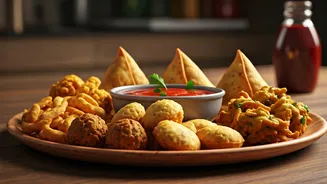
dip, deconstructed and reassembled with cheffy precision. These aren't new inventions; they are revivals. We’re in the midst of a full-blown renaissance of mid-century and late-20th-century American snack foods, and the driving force isn't celebrity chefs or corporate marketing campaigns. It's the “recipe explainer”—a short, snappy, and often deeply personal video or post that breaks down how to make these familiar foods, making them feel fresh, aspirational, and deeply comforting all at once.
More Than Just a Recipe
The modern recipe explainer is a far cry from the staid, index-card instructions of yesteryear. On platforms like TikTok and Instagram, creators are building huge followings by transforming simple snacks into bite-sized entertainment. They aren’t just listing ingredients; they are telling a story. They’re sharing a core memory of making “puppy chow” (or Muddy Buddies, depending on your region) for a sleepover, or explaining the very specific regional debate over what goes into a proper Frito pie. The videos are often shot with an ASMR-like focus on the sounds—the crinkle of a chip bag, the rhythmic chop of an onion, the satisfying glug of sauce. This approach elevates a simple snack from a guilty pleasure into a shareable cultural experience. It gives viewers permission to indulge not just in the food, but in the nostalgia associated with it.
The Psychology of Comfort
So why this trend, and why now? In a world that often feels overwhelmingly complex and uncertain, these simple, unpretentious foods offer a powerful sense of comfort and control. Making Ants on a Log—celery sticks slathered in peanut butter and dotted with raisins—is a low-stakes activity with a guaranteed, satisfying outcome. It connects us to a simpler time, whether it’s our own childhood or a collective, imagined American past. Food historians note that in times of social or economic anxiety, we often turn to “sentimental flavors.” These snacks are the edible equivalent of a security blanket. They’re predictable, reliable, and loaded with positive associations. The recipe explainer trend taps directly into this desire, providing a roadmap to recreating that feeling of safety and warmth in our own kitchens.
From Pantry Staple to Viral Star
This organic, user-generated-content boom is something legacy food brands could only dream of. A single viral TikTok can do more for a can of SPAM or a box of Ritz crackers than a multi-million-dollar Super Bowl ad. Suddenly, cottage cheese isn’t just a diet food; it’s the base for viral high-protein ice cream. A humble can of condensed soup isn't a culinary shortcut to be ashamed of; it’s the key ingredient in a beloved “hotdish” recipe being shared with ironic pride. Brands are taking notice, but the most successful ones are those that step back and let the creators lead. The magic is in the authenticity. The push feels genuine because it’s coming from real people sharing food they genuinely love, untainted by obvious corporate sponsorship. It’s a grassroots movement celebrating the unpretentious delights hidden in the American pantry.