






1. Choose Your Base Camp Wisely
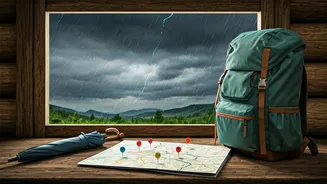
Not all accommodations are created equal when the skies open up. A remote, rustic beach hut might seem romantic, but it can feel like a trap during a three-day deluge. When booking, prioritize hotels or rentals with excellent indoor amenities. Think about
a cozy common area with a fireplace, a covered veranda with a stunning view, an on-site spa, a well-regarded restaurant, or even a game room or library. Your lodging can transform from a place you simply sleep to your luxurious sanctuary from the storm. A great hotel becomes a destination in itself, making a rained-out day feel like a welcome opportunity to relax and recharge rather than a wasted vacation day.
2. Master the Art of the Indoor Pivot
Your “Plan B” shouldn’t be a frantic, last-minute Google search for “things to do in the rain.” Before you even leave home, research the fantastic indoor activities your destination offers. This goes beyond a single, lonely museum. Create a list of intriguing options: a local cooking class specializing in regional cuisine, a historic cinema, an artisan workshop where you can learn a craft, a bustling indoor market, or a lineup of highly-rated cafes perfect for whiling away an afternoon with a book. Having a pre-vetted list of exciting indoor alternatives turns a downpour into an opportunity to experience a different, equally authentic side of the local culture.
3. Pack for Success, Not Just Survival
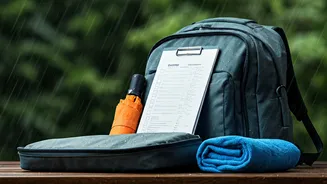
A flimsy poncho is a sign of surrender. A well-packed bag is a declaration of intent. Your goal isn’t just to stay dry, but to stay comfortable and stylish. Invest in a lightweight, breathable, and genuinely waterproof rain jacket—not just “water-resistant.” Pack an extra pair of shoes you don’t mind getting wet (like sport sandals or waterproof trail shoes) and another pair that will always be dry for evenings. Quick-dry clothing made from merino wool or synthetic fabrics is your best friend. And don’t forget a compact, fast-drying travel towel and a small waterproof dry bag to protect your phone, wallet, and passport during unexpected cloudbursts.
4. Embrace the 'Shoulder' Hours
In many tropical destinations, the “rainy season” doesn’t mean 24/7 gloom. Often, the rain follows a predictable pattern, such as a heavy but short-lived downpour in the mid-afternoon. Plan your outdoor adventures—like hiking, beach time, or exploring ruins—for the morning, which is frequently clear and sunny. Use the rainy afternoon for a long lunch, a siesta, or one of your pre-planned indoor activities. By scheduling your day around the weather instead of fighting it, you can still get in all the classic outdoor experiences while feeling smart and prepared when the inevitable rain arrives.
5. Build Flexibility Into Your Itinerary
This might be the most important rule of all. Resist the urge to pre-book and pre-pay for a rigid schedule of outdoor-dependent activities. That non-refundable snorkeling trip or jungle trek is a huge source of stress when the forecast looks grim. Instead, keep your options open. Connect with local guides or tour operators and have a conversation about weather policies. Many will offer flexible booking or last-minute options. This approach allows you to wake up, check the sky, and make a spontaneous decision based on the reality of the day, not a commitment you made weeks in advance.
6. Shift Your Mindset From 'Problem' to 'Feature'
Finally, the most powerful tool is your own perspective. Rainy season is what makes the landscapes so impossibly green and vibrant. Waterfalls that are a trickle in the dry season become thundering spectacles. The clouds can create dramatic, moody lighting that makes for breathtaking photography. The smell of rain on hot earth, the sound of drops on a tin roof—these are sensory details that define a place. Instead of seeing rain as an obstacle to your vacation, learn to see it as part of the experience. It’s an invitation to slow down, be present, and appreciate a destination in its most lush and authentic state.