







A Stage Set in the Clouds
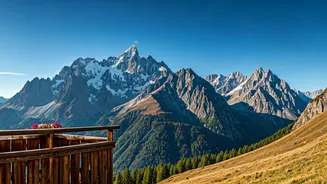
Imagine a city perched at over 7,000 feet, surrounded by pine-forested hills and the distant, snow-capped Himalayas. This is Shimla, the capital of India's Himachal Pradesh state and the former summer capital of British India. For decades, the British administration
would decamp from the scorching plains of Delhi to this cooler, alpine-like refuge. Today, that legacy lives on in its Gothic churches, Tudor-style buildings, and the famous Ridge—a large, open space at the city's heart. It is on this very Ridge, with its panoramic mountain views, that the Shimla Summer Festival unfolds each year, transforming the historic town square into a spectacular open-air auditorium.
Echoes of a Colonial Past
The festival, which has been a cultural cornerstone since the 1960s, is more than just a modern party. It's deeply woven into the fabric of the city's identity. The tradition of escaping the summer heat and celebrating in the mountains is a direct inheritance from the British Raj. While the colonial rulers held balls and formal events, the modern festival is a decidedly more democratic and diverse affair. It has evolved to become a showcase for the rich culture of the Himachali people, while still retaining the grandeur and sense of occasion that befits the “Queen of Hills.” The festival’s longevity, now marking its Diamond Jubilee, speaks to its ability to honor the past while embracing the vibrant pulse of contemporary India.
The Diamond Jubilee's Dazzle
This year's celebration, held in early June, was a testament to the festival's iconic status. The main draw is always the musical performances, and the Diamond Jubilee edition pulled out all the stops. Evenings on the Ridge came alive with a blend of local and national talent. The lineup featured everything from traditional Himachali folk music and dance troupes, known for their colorful costumes and hypnotic rhythms, to powerhouse Bollywood singers who drew massive crowds. This year, stars like playback singer Mahalakshmi Iyer and Punjabi music sensation Satinder Sartaaj graced the stage, their performances echoing through the mountain air. It's this eclectic mix—the hyper-local alongside the nationally famous—that makes the festival a unique cultural crossroads.
More Than Just a Concert Series
While music is the festival's heartbeat, its soul is found in the myriad of other activities that spring up around the main stage. The Ridge and the adjoining Mall Road, a pedestrian-only thoroughfare, become a bustling carnival. Visitors and locals alike browse stalls offering local handicrafts, from intricately woven shawls to wooden toys. Food vendors serve up Himachali delicacies alongside popular Indian street food. The festival also includes a film festival showcasing regional cinema, photography exhibitions, and even events for children. It’s a holistic cultural immersion, offering a taste of the region’s art, food, and community spirit all in one place.
A Tradition Looks to the Future
For Shimla, the Summer Festival is not just a tourist attraction; it's a reaffirmation of its identity. In a world of fleeting digital trends, this multi-day, open-air celebration is a powerful anchor to place and tradition. It provides a crucial platform for local artists to reach a wider audience and ensures that traditional forms of music and dance are passed down to the next generation. As the final notes of the Diamond Jubilee faded from the Ridge, it was clear that the festival is more than just a historical relic. It is a living, breathing event that successfully bridges Shimla's storied past with its dynamic present, securing its place as one of India's most cherished cultural gatherings.