




From Concrete Jungle to Urban Farm
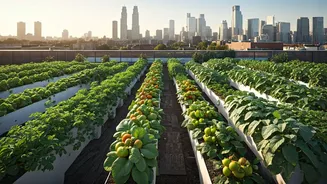
The phrase “total urban food self-reliance” sounds like science fiction, but for the government of Tamil Nadu, a state in southern India with a population larger than France, it’s a serious policy goal. The core of the initiative is a massive push to convert
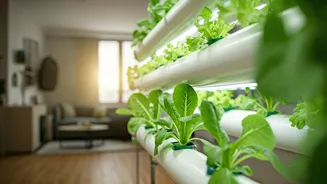
the forgotten spaces of city life—rooftops, balconies, and terraces—into productive micro-farms. The state’s Department of Horticulture is spearheading this through its Urban Horticulture Development Scheme. The most visible part of the plan is the distribution of heavily subsidized “Do-It-Yourself” vegetable garden kits. For a nominal fee, city residents receive everything they need to get started: seeds for vegetables like tomatoes, chilies, and spinach; coco-peat bricks to use as a soil medium; grow bags; and even bio-fertilizers. The idea is to remove the initial barriers of cost and knowledge, making it easy for anyone in a high-rise apartment or a dense neighborhood to start growing a portion of their own food.
Why This, and Why Now?
This ambitious push isn't happening in a vacuum. Tamil Nadu, and its capital city Chennai, are on the front lines of challenges facing megacities globally. Rapid urbanization has led to an over-reliance on complex, long-distance supply chains to feed its millions of residents. A truckers' strike, a fuel price spike, or a single severe weather event can disrupt the flow of produce from rural farms, causing prices to skyrocket overnight. Furthermore, the region is increasingly vulnerable to the impacts of climate change, from severe floods that wash out transportation links to droughts that decimate harvests. By decentralizing food production and bringing it inside the city walls, the government aims to build a buffer against these shocks. The program also tackles nutritional security, promoting fresh, pesticide-free vegetables in urban diets and addressing the prevalence of “food deserts” even in bustling metropolitan areas.
Gardening with a Government Subsidy
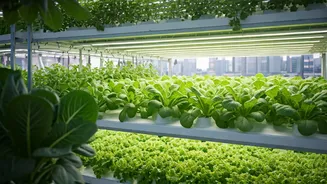
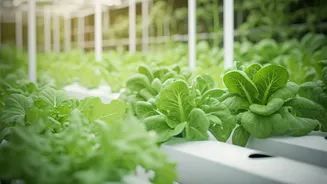
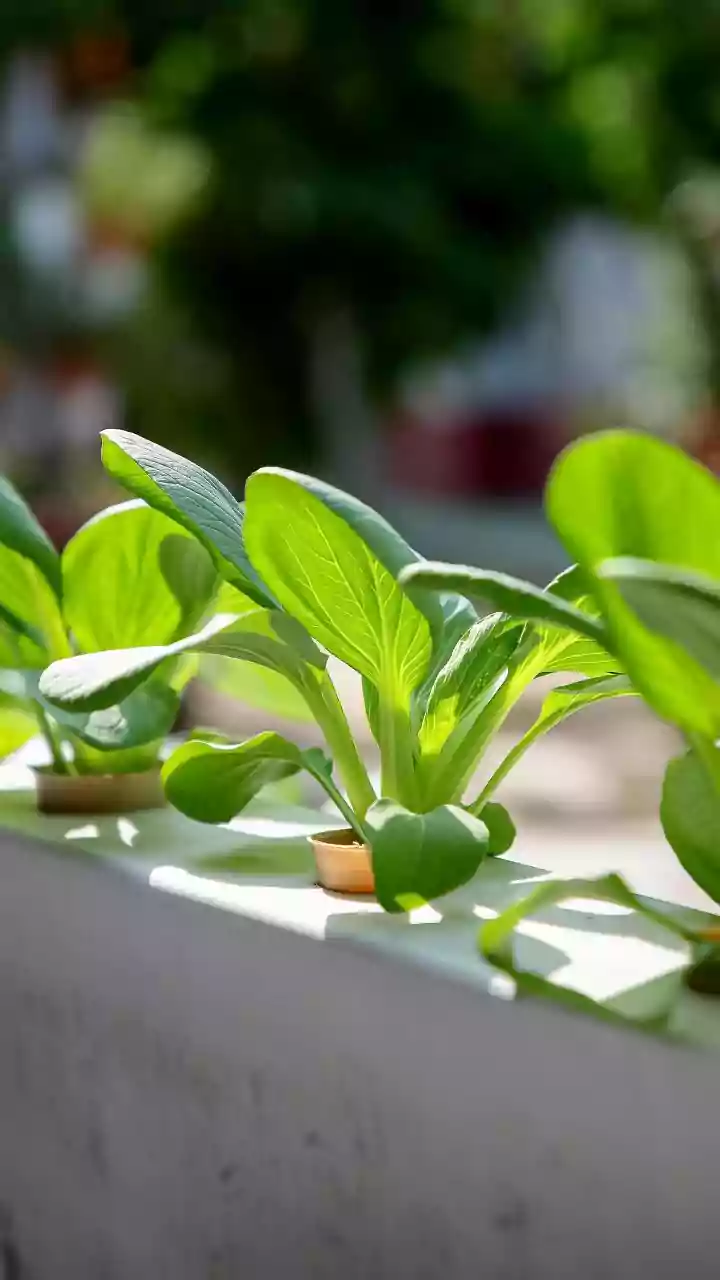
This is more than just a vague encouragement to plant a garden. It's a structured, state-supported program. Beyond the DIY kits, the government offers technical assistance and training workshops to teach urbanites the basics of horticulture. The focus is on high-yield, low-maintenance crops suitable for small spaces. For those looking to scale up, the state is also promoting more advanced techniques like hydroponics and vertical farming, which can produce significant yields with a fraction of the water and space required by traditional agriculture. Subsidies are available for setting up community gardens and larger rooftop farming systems. The goal isn't necessarily for every family to grow 100% of their food, but to create a city-wide network of thousands of small producers who, collectively, can make a meaningful dent in the city's dependence on outside sources.
A Model for American Cities?
While it's happening halfway across the world, Tamil Nadu’s experiment resonates with trends in the United States. American cities from Detroit to Baltimore have seen grassroots urban farming movements take root, often as a response to economic decline and lack of access to fresh food. These initiatives have transformed vacant lots into community gardens and provided local employment. However, the Tamil Nadu model is notable for its scale and top-down government backing. It provides a fascinating case study in how a government can actively foster urban food resilience as a matter of official policy, rather than leaving it solely to nonprofits and community activists. As U.S. cities also grapple with supply chain vulnerabilities exposed by the pandemic and the growing threat of climate-related disruptions, the idea of state-sponsored urban agriculture as critical infrastructure may not be so foreign after all.