

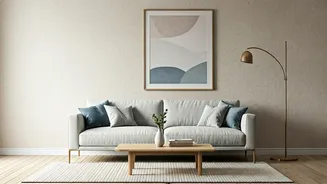
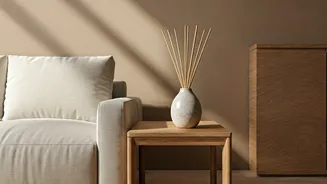
The Science of a Natural Home
There's a reason a walk in the woods feels calming. The concept is called biophilic design, and it’s built on the idea that humans have an innate need to connect with nature. When we can’t get outside, bringing natural elements inside can have a similar,
if smaller, effect. Research suggests that environments rich with natural patterns, textures, and materials can lower stress, improve focus, and boost our overall sense of well-being. Unlike the sleek, uniform surfaces of plastic or laminate, earthy materials are full of 'fractal' patterns—the complex but orderly designs found in things like leaves, wood grain, and stone. Our brains are hardwired to find these patterns soothing. It’s about creating a multisensory experience that grounds us in the physical world.
1. Wood: The Foundation of Warmth
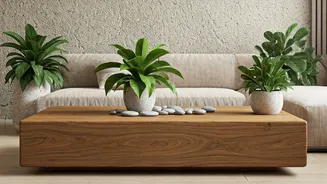
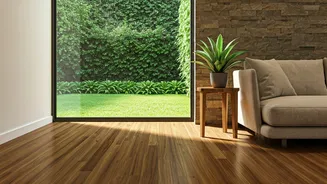
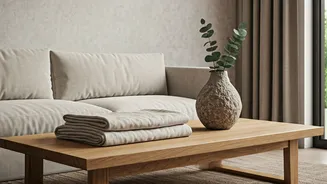
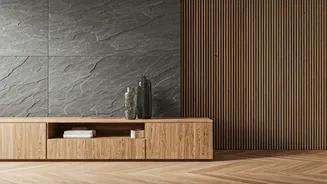
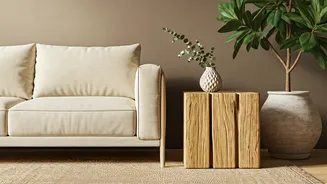
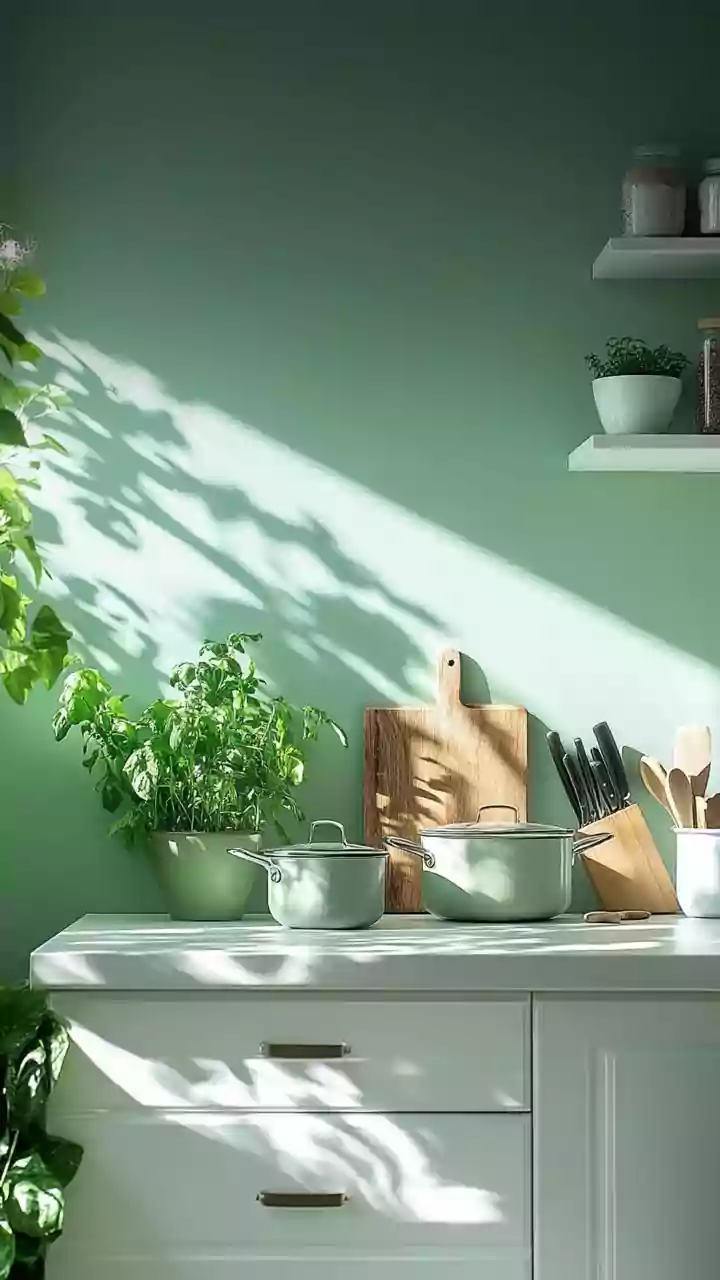
Wood is perhaps the most intuitive material for adding warmth and stability to a room. Its grain tells a story of growth and time, providing a visual texture that is both complex and comforting. Lighter woods like maple, ash, or birch can make a space feel airy and open, while darker woods such as walnut or oak offer a sense of grounding and sophistication. The key is to let the material’s natural character shine. Look for pieces with a matte, oiled, or waxed finish rather than a thick, glossy lacquer that conceals the texture. How to use it: You don't need to install hardwood floors to get the benefit. Start small with a beautiful wooden cutting board in the kitchen, a sculptural driftwood branch on a shelf, or a side table with visible grain. Even a set of wooden picture frames can soften a space.
2. Stone and Clay: A Grounding Presence
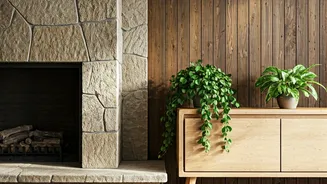
If wood is warmth, stone and clay are the cool, grounding counterbalance. These materials connect us to the earth in a very literal sense. Think of the solid, permanent feel of a stone fireplace or the handmade charm of a ceramic vase. Materials like travertine, slate, marble, and terracotta offer a rich palette of colors and textures that have been used in human dwellings for millennia. Their imperfections—the veins in marble, the subtle color variations in terracotta—are what make them feel alive and authentic. They provide a sense of permanence and stability that highly processed modern materials often lack. How to use it: Introduce these elements through functional accessories. A marble tray on a coffee table, slate coasters, or a collection of unglazed terracotta pots for your plants can add a powerful, earthy touch. A ceramic table lamp base or a set of stoneware dishes can also integrate this grounding energy into your daily routines.
3. Natural Fibers: Softness and Texture
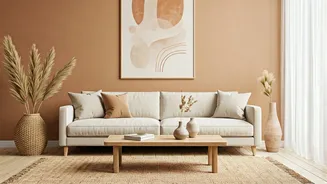
The fastest way to change the feel of a room is through textiles. Swapping synthetic fabrics for natural fibers like linen, cotton, wool, and jute can have an immediate restorative effect. Unlike polyester or acrylic, which can feel flat and static, natural fibers breathe. They have a subtle texture and imperfect weave that is pleasing to the eye and to the touch. A heavyweight linen curtain diffusing sunlight creates a soft glow, while a chunky wool throw blanket invites you to curl up and relax. Jute or sisal rugs add incredible texture underfoot, connecting you to the ground with every step. How to use it: This is one ofs the easiest and most affordable ways to start. Swap your polyester throw pillows for linen or cotton covers. Layer a wool blanket on your sofa or bed. A simple jute doormat or a woven seagrass basket for storage can instantly elevate the natural feel of your space.
4. Living Greenery: The Ultimate Natural Element
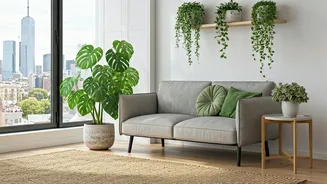
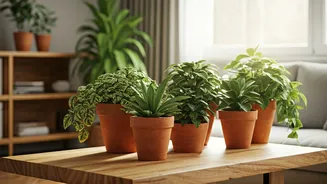
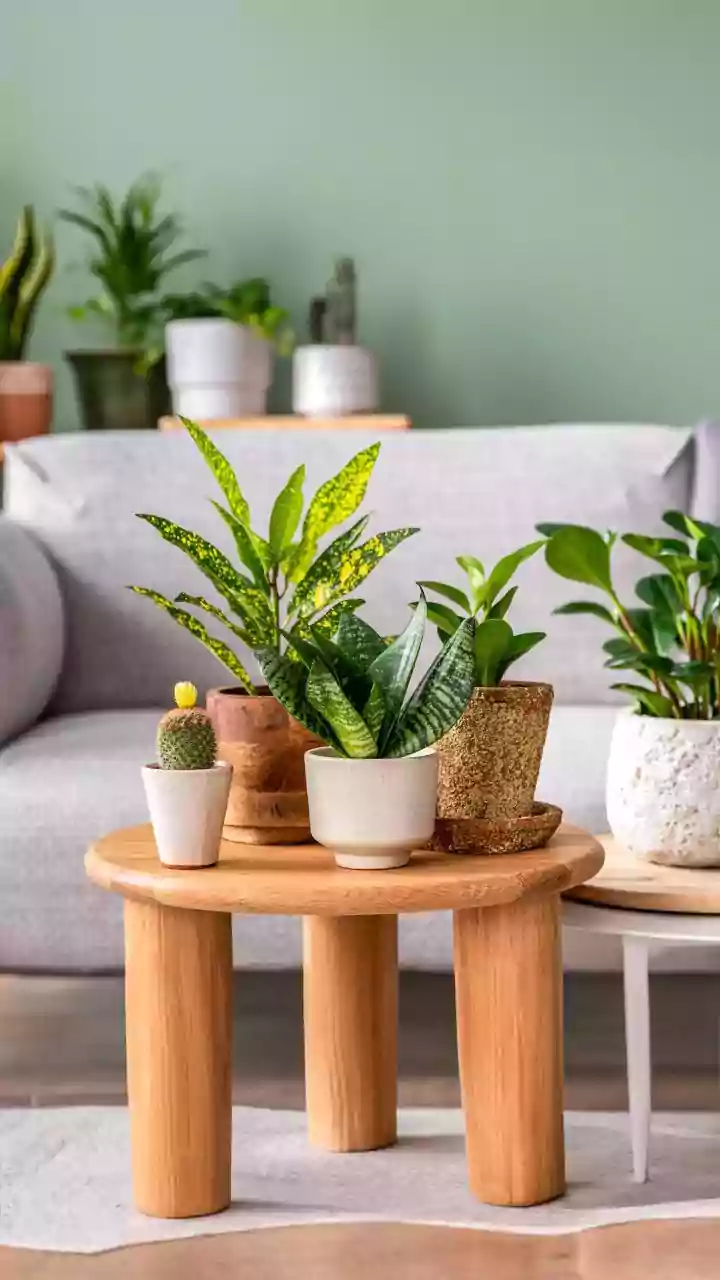
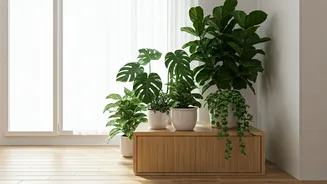
No discussion of earthy materials is complete without mentioning the most dynamic one of all: plants. Houseplants are the living, breathing embodiment of nature indoors. They purify the air, add vibrant color, and their growth provides a slow, gentle marker of time passing. The act of caring for a plant—watering it, watching it sprout new leaves—is a restorative ritual in itself. Studies have shown that simply being in a room with plants can reduce stress and improve mood. They are the ultimate biophilic accessory, connecting us directly to the life cycles of the natural world. How to use it: Start with something low-maintenance, like a snake plant or a ZZ plant. Consider not just the plant but the pot it lives in—a simple terracotta or ceramic pot will enhance the natural aesthetic. Grouping several plants of different sizes and leaf shapes together can create a small, lush vignette that acts as a focal point.