





Beyond the Honeymoon Suite
For decades, Mauritius has been marketed to the world as a premier destination for honeymooners and luxury seekers. Its powder-soft sands and clear waters are the stuff of screen savers. Yet, peeling back that glossy layer reveals a destination with a soul
deeply intertwined with another country nearly 4,000 miles away: India. While the beaches are undeniably a massive draw, the real story here is the island’s unique ability to offer Indian visitors the thrill of international travel combined with the reassuring ease of cultural familiarity. It's an exotic getaway that somehow also feels like a home away from home, creating a travel experience that is both adventurous and deeply comforting.
A History Etched in Sugar Cane
To understand the “comfort,” you have to go back to the 19th century. After the abolition of slavery in 1835, the British, who then controlled the island, needed labor for their vast sugar cane plantations. They turned to India, recruiting hundreds of thousands of indentured laborers, primarily from Bihar and Uttar Pradesh. These weren't tourists; they were workers brought over in harrowing conditions to build the island's economy. The port in Port Louis where they first arrived is now a UNESCO World Heritage site called Aapravasi Ghat, a sobering monument to this mass migration. This history is the bedrock of modern Mauritius. Today, nearly 70% of the island’s population is of Indian descent, creating a demographic and cultural landscape unlike any other outside the subcontinent. The names on street signs, the faces in the markets, and the rhythm of daily life are all echoes of this past.
The Comforts of Culture and Cuisine
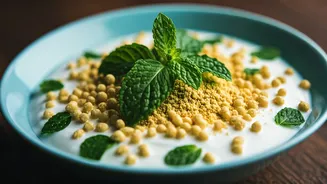
This shared heritage manifests in countless ways that soothe the friction often associated with foreign travel. For an Indian visitor, the cultural cues are everywhere. The sounds of Hindi, Tamil, and especially Bhojpuri mingle with French and Mauritian Creole. Hindu temples, vibrant and meticulously maintained, are as common as churches. Major festivals like Diwali and Maha Shivaratri are public holidays celebrated with national fervor. The food, of course, is a major highlight. While the island is famous for its unique Creole cuisine, the influence of India is unmistakable. You can find expertly made biryani, fragrant curries, and street food staples like “dholl puri,” a flatbread stuffed with ground yellow split peas that is a direct descendant of the parathas the first laborers brought with them. This isn't “ethnic food” in Mauritius; it's simply Mauritian food.
Modern Convenience Meets Old Ties
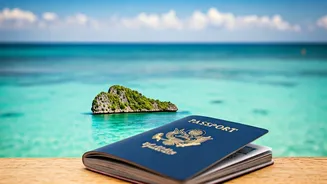
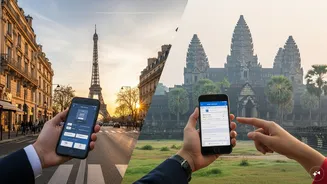
The connection isn't just historical; it’s being actively strengthened today. Mauritius offers visa-free travel for Indian citizens, removing a significant layer of bureaucratic hassle. But the biggest game-changer is more recent. In 2024, Mauritius became one of the first countries to adopt India's Unified Payments Interface (UPI) system. For the uninitiated, UPI is a ubiquitous mobile payment system in India that has made cash all but obsolete for millions. The ability for an Indian tourist to land in Mauritius and pay for a coconut water on the beach or a souvenir at a market using the same app they use back home is a revolutionary level of convenience. It’s a practical, modern-day expression of the deep-seated relationship between the two nations, turning a feeling of comfort into a tangible, seamless experience.