









First, What Is Hydroponics?
Before diving into the 'why,' let's clarify the 'what.' Hydroponics is a method of growing plants without soil, using mineral nutrient solutions dissolved in water. Instead of spreading roots through dirt, plants are often held in an inert medium like
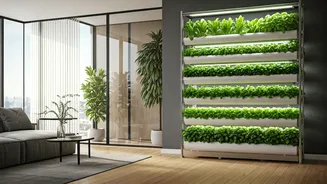
perlite or rockwool, with their roots fed a nutrient-rich water supply. This method isn't new, but its integration into residential architecture on a large scale is a recent phenomenon. In a high-rise apartment context, this can mean a dedicated 'green room,' a vertical wall garden in a common area, or even a personal kitchen unit capable of producing a steady supply of fresh herbs and leafy greens. It’s farming, but hyper-efficient, clean, and contained entirely indoors.
Driver 1: A Deepening Water Crisis
Delhi, a megacity with over 30 million people in its metropolitan area, is facing a severe and worsening water crisis. Groundwater levels are critically low, and the Yamuna River, a primary water source, is heavily polluted. Traditional agriculture is incredibly water-intensive, consuming the vast majority of the region's available freshwater. Here, hydroponics presents a near-miraculous solution. By recirculating water and delivering it directly to the plant's roots, hydroponic systems can use up to 90% less water than conventional soil-based farming. For real estate developers, advertising a feature that is inherently water-wise is a powerful statement in a city where water is becoming an increasingly precious and rationed commodity. It signals a modern, sustainable, and resilient approach to living.
Driver 2: The Quest for Food Purity
Alongside water scarcity is a widespread concern among urban Indians about food safety. Decades of heavy pesticide and fertilizer use have led to worries about chemical residues in fresh produce. Furthermore, supply chains can be long and opaque, with vegetables and fruits often traveling long distances and passing through many hands before reaching city markets, raising questions about freshness and hygiene. An integrated hydroponic system sidesteps these issues entirely. It offers residents direct control over their food source, guaranteeing that their produce is grown without pesticides and harvested moments before being eaten. This promise of 'hyper-local' and 'clean' food is a powerful lure for affluent, health-conscious buyers who are willing to pay a premium for peace of mind.
Driver 3: A Buffer Against Pollution
Delhi is infamous for having some of the worst air quality in the world. During winter months, a thick, toxic smog often blankets the city, posing serious health risks. This pervasive pollution doesn’t just affect people; it can also contaminate anything grown outdoors, with particulate matter settling on crops. By moving agriculture indoors into a controlled environment, hydroponics provides a literal buffer against the polluted air. It ensures that the leafy greens destined for the dinner table are free from the soot and heavy metals found in the city’s atmosphere. This concept of creating a pure, clean bubble within a polluted urban environment is a core part of the appeal for luxury developments, which sell themselves as sanctuaries from the harsh realities of the city.
The Ultimate Status Symbol: Self-Sufficiency
Ultimately, the trend is about more than just practicality; it's about aspiration and status. In a world of fragile supply chains and environmental uncertainty, the ability to produce your own food is the new pinnacle of luxury. It represents self-sufficiency, health, and a connection to nature, even in the heart of a dense concrete jungle. For developers, a hydroponic layout is a sophisticated amenity that differentiates a property from its competitors. It’s a marketing tool that says a building is not just luxurious, but future-proof. It appeals to a globalized, forward-thinking clientele that values wellness and sustainability as much as square footage and skyline views. It transforms a simple apartment into a self-contained ecosystem.