




The Real Rhythm of the Monsoon
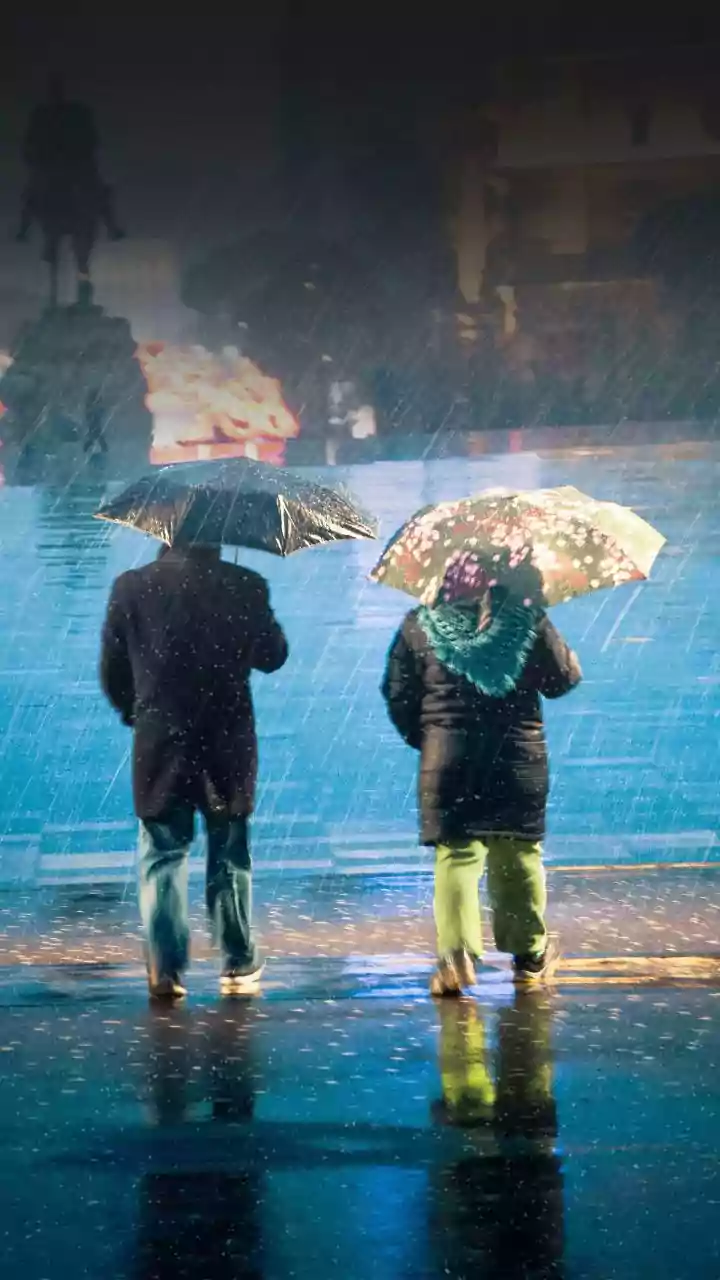
Let’s clear up a common misconception for American travelers: the monsoon in Kerala isn’t a non-stop, month-long downpour that ruins your vacation. Known locally as ‘Edavappathi,’ the southwest monsoon, which runs from roughly June to September, follows
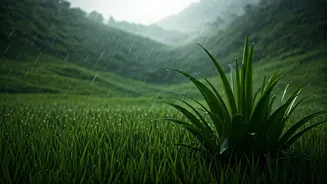
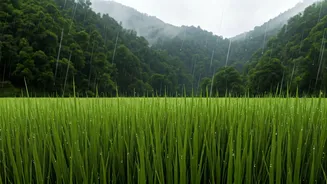
a predictable and rather poetic rhythm. Expect dramatic, intense bursts of rain for an hour or two, which cool the air and wash the world clean. These are often followed by hours of bright, crisp sunshine that make the emerald landscape glitter. It’s not about hiding indoors; it’s about witnessing a stunning natural cycle. The air is clean, the dust is settled, and the earth smells alive and fragrant. This is the time when Kerala, nicknamed “God’s Own Country,” truly earns its title.
Munnar: Tea Gardens in the Clouds
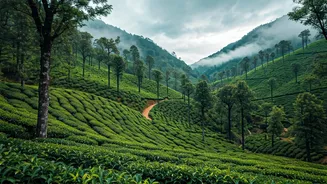
While beautiful year-round, the hill station of Munnar becomes utterly transcendent during the monsoon. The sprawling tea plantations that carpet the hills are at their most vibrant green, often shrouded in a mystical layer of low-hanging clouds and mist. The experience is less about ticking off viewpoints and more about atmosphere. Imagine waking up in a cozy hotel room, watching the rain sweep across the valley, and then heading out for a walk as the sun breaks through, with the scent of wet tea leaves in the air. The waterfalls in the region, like Attukal and Lakkam, which can be a trickle in the dry season, become thunderous, spectacular cascades. It’s a photographer’s dream and a perfect escape for anyone seeking tranquility and breathtaking natural beauty.
The Backwaters: A Symphony of Rain on Water
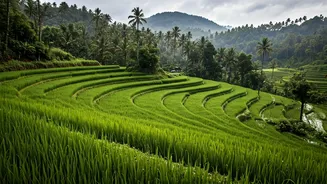
A trip on a traditional Keralan houseboat (a ‘kettuvallam’) through the backwaters of Alleppey or Kumarakom is a bucket-list item for many. In the monsoon, it’s a completely different and arguably more profound experience. Instead of sharing the waterways with dozens of other boats under a hot sun, you’ll find a serene, quiet canals. The sound of raindrops drumming on the thatched roof of your houseboat is a rhythm that will stay with you long after you leave. You can watch the rain nourish the paddy fields and coconut groves along the banks, see local life adapt to the season, and feast on hot, freshly cooked Keralan food as you drift. It’s intimate, peaceful, and deeply atmospheric.
Ayurveda: The Season for Healing
Here's a travel perk you won’t find just anywhere. According to the ancient principles of Ayurveda, the traditional Indian system of medicine, the monsoon is the ideal time for wellness treatments. The theory is that the cool, humid, dust-free atmosphere helps the body’s pores open, making it more receptive to herbal oils and therapies. This is the season of ‘Karkidaka Chikitsa,’ a specific regimen of rejuvenation and detoxification. Many resorts and clinics offer special packages during this time, from simple massages to comprehensive Panchakarma treatments. It’s an opportunity to combine a vacation with a genuine wellness reset, aligning your body’s renewal with the rejuvenation of the nature around you.
Your Wallet’s Best Friend: The Off-Season Advantage
Now for the part that makes this trip a no-brainer: the price. Monsoon is considered the off-season for tourism in Kerala, which means fantastic deals. Flights are often cheaper, and luxury hotels and resorts that would be prohibitively expensive during the peak winter months can offer discounts of 30-50%. That stunning boutique hotel with the infinity pool overlooking a misty valley? It’s suddenly within reach. Houseboat rentals are also significantly more affordable and easier to book. You get a premium, less crowded experience for a fraction of the peak-season price, allowing you to either save money or upgrade your experience without breaking the bank.
Practical Tips for Your Monsoon Trip
A little preparation goes a long way. Pack light, quick-drying clothes and avoid heavy jeans. A reliable waterproof jacket and umbrella are essential, as are sturdy, waterproof sandals or shoes (leave the fancy leather at home). Pack mosquito repellent, as the wet environment can increase their numbers. Most importantly, be flexible. A sudden downpour might delay a plan by an hour, so embrace a slower pace of travel. This isn’t the trip for a rigid, minute-by-minute itinerary. It’s about soaking in the atmosphere, one glorious, rain-washed moment at a time.