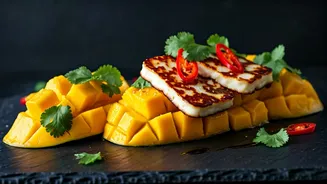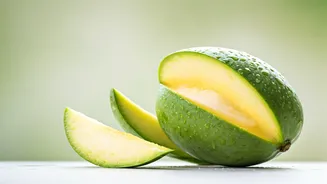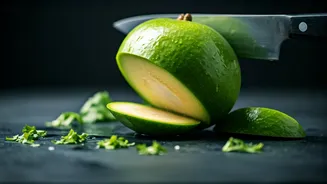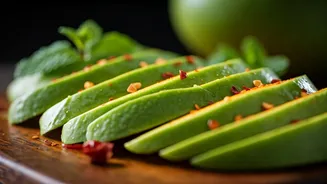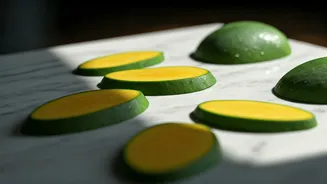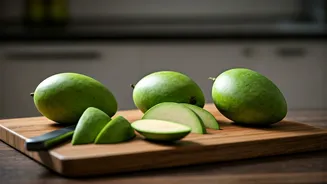



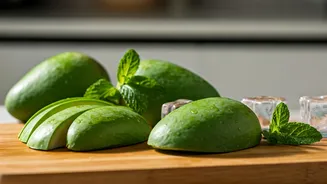
So, What Is Kairi?
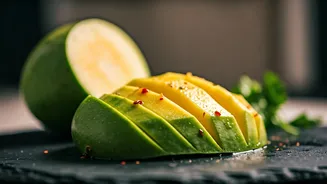
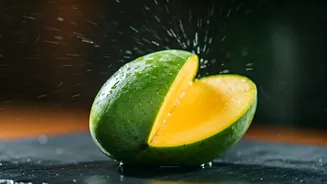
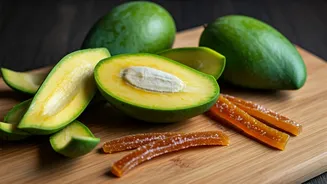
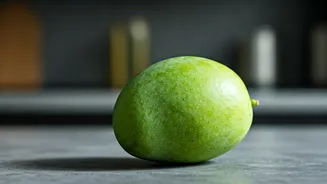
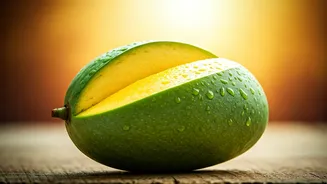
Before a mango turns into the sweet, soft, sunset-colored fruit most Americans know and love, it goes through a firm, green, and unapologetically sour phase. This is kairi. Known as raw or green mango, it’s harvested young, when its flesh is crisp like
a Granny Smith apple and its flavor is a blast of pure, electric tang. Unlike its ripe counterpart, kairi isn't about sugary sweetness; it’s about bright acidity and a clean, vegetal crunch. Think of it as the mango’s wild, untamed alter ego. While new to many in the U.S., it’s a cornerstone ingredient in many tropical cuisines, especially across South Asia, Southeast Asia, and Latin America, where its sour power is used to cut through richness, add brightness, and cool the palate.
A Taste of Tradition and Nostalgia
For millions, the taste of kairi is the taste of summer, childhood, and home. In India, its arrival marks the start of the sweltering season, where it’s transformed into a vast array of beloved dishes. The most iconic is *aam panna*, a refreshing drink made from boiled green mango pulp, sugar, and spices like cumin and black salt. It’s a natural coolant, designed to replenish electrolytes lost in the heat. Then there’s the world of *achaar*, or pickles, where chunks of kairi are preserved in oil and a fiery blend of spices, creating a condiment that lasts for months and adds a punch to any meal. Simple street-side snacks often feature slices of raw mango sprinkled with salt and chili powder—a minimalist treat that delivers a maximalist flavor explosion. This deep cultural rooting is part of its modern appeal; it’s not a lab-created flavor, but an authentic, time-tested one.
Why Is It Trending Now?
The renewed interest in kairi isn't happening in a vacuum. It’s part of a broader shift in the American palate toward more complex and intense flavors. We’ve collectively fallen for the funky tang of kimchi, the sour bite of kombucha, and the acidic kick of shrubs in our cocktails. Kairi fits perfectly into this culinary landscape. Chefs are using its vibrant acidity as a secret weapon. You’ll find it finely shredded into slaws for fish tacos, adding a crisp counterpoint to the richness. It’s being muddled into craft cocktails to provide a natural sourness that’s more nuanced than lime juice. It’s appearing in vibrant salsas, contemporary chutneys served with grilled meats, and even as a surprising element in sorbets and desserts. Social media has also played a role, with food influencers and home cooks sharing their kairi creations, demystifying the ingredient and inspiring others to seek it out.
How to Get in on the Green Mango Action
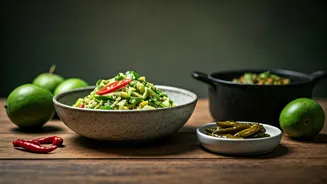
Ready to experiment? Your first stop should be a South Asian, Southeast Asian, or Latin American grocery store, where green mangoes are a common staple, especially during the spring and summer months. Look for fruits that are uniformly green, firm to the touch, and heavy for their size. Avoid any with soft spots or yellowing skin, as that indicates they’re beginning to ripen and lose their signature tartness. Once you get it home, the possibilities are endless. The easiest way to start is to peel and shred it, then toss it with cilantro, red onion, a little salt, and a pinch of cayenne for a killer slaw or salad. A sprinkle of shredded kairi can instantly brighten up grilled fish, a bowl of rice and beans, or even a simple avocado toast. For the more ambitious, look up a recipe for a simple raw mango chutney or a refreshing kairi cooler—you’ll quickly understand why this tangy powerhouse has stood the test of time.