

Our Brain on Crunch
That urge for a basket of fries or a bag of potato chips isn’t just a failure of willpower; it's a deep-seated biological response. Our brains are hardwired to seek out high-energy foods, a remnant of an evolutionary past when calories were scarce. Fat,
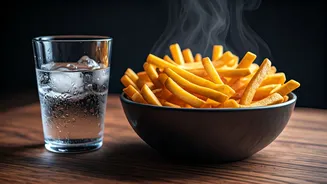
salt, and carbohydrates trigger a powerful release of dopamine, the neurotransmitter associated with pleasure and reward. The result is a neurological high-five, a feeling of satisfaction that’s both immediate and potent. That very texture plays a role. Researchers use the term “oro-sensation” to describe the experience of food in our mouths. The specific combination of a crispy exterior and a soft, steamy interior found in many fried foods is exceptionally pleasing. That audible crunch sends a signal to our brain that the food is fresh and desirable. When we’re feeling low, stressed, or just plain bored on a dreary afternoon, our subconscious isn't just seeking calories—it's seeking a reliable, multi-sensory hit of happiness.
The Culture of Comfort
Beyond the brain chemistry, fried foods are woven into the fabric of American life. They are the currency of carnivals, the centerpiece of roadside diners, and the essential companion to a late-night movie. Think of the communal joy of sharing a plate of onion rings, the regional pride of a perfectly battered piece of fish, or the simple, solitary pleasure of a doughnut with morning coffee. These aren't just snacks; they're edible nostalgia. This cultural embedding turns a simple food item into a ritual. Ordering fries is an act of democratic simplicity—everyone likes them. Grabbing a bag of chips is a low-stakes treat that signals a break from the routine. These foods are associated with leisure, celebration, and consolation. They are the official menu of the cheat day, the breakup, the long road trip, and the rainy Sunday. By eating them, we’re not just consuming food; we’re participating in a shared cultural script that says, “It’s okay to indulge right now.”
The Unspoken Agreement
And then there’s the “risk” part of our pact. We know. In an era of wellness blogs, nutrition apps, and endless health advice, no one is under the illusion that a diet heavy in fried foods is a path to longevity. We’re aware of the links to heart disease, inflammation, and high cholesterol. The information is ubiquitous, absorbed through a kind of cultural osmosis. Every crispy bite comes with a phantom calorie count and a whisper of a health warning. But this knowledge doesn't function as a strict prohibition. Instead, it reframes the indulgence. It becomes a deliberate, conscious choice. We are not ignorant of the consequences; we are simply prioritizing a different need in that moment. The need for comfort, for pleasure, for a brief and satisfying escape from the pressures of a world that constantly asks us to be optimized, disciplined, and perfect. We weigh the long-term, abstract risk against the immediate, tangible reward, and on a drizzly afternoon, the reward often wins.
A Calculated Indulgence
This is the essence of the rainy-day deal we make with ourselves. The fried snack is a small, manageable rebellion. It's a way of reclaiming a tiny bit of autonomy in a life governed by rules, both spoken and unspoken. We will eat the kale salad tomorrow. We will go to the gym next week. But today, in this moment of gray skies and quiet melancholy, this basket of golden-brown perfection is a form of self-care. We rationalize it as a “treat,” a term that inherently acknowledges its exceptional status. It’s not part of the daily grind; it’s a break from it. This mental framing is crucial. It allows us to enjoy the indulgence without being consumed by guilt. We are not “bad” for eating it; we are human. We are simply cashing in a coupon for a moment of uncomplicated, deep-fried joy.