



A Double-Edged Sword of Beauty and Risk
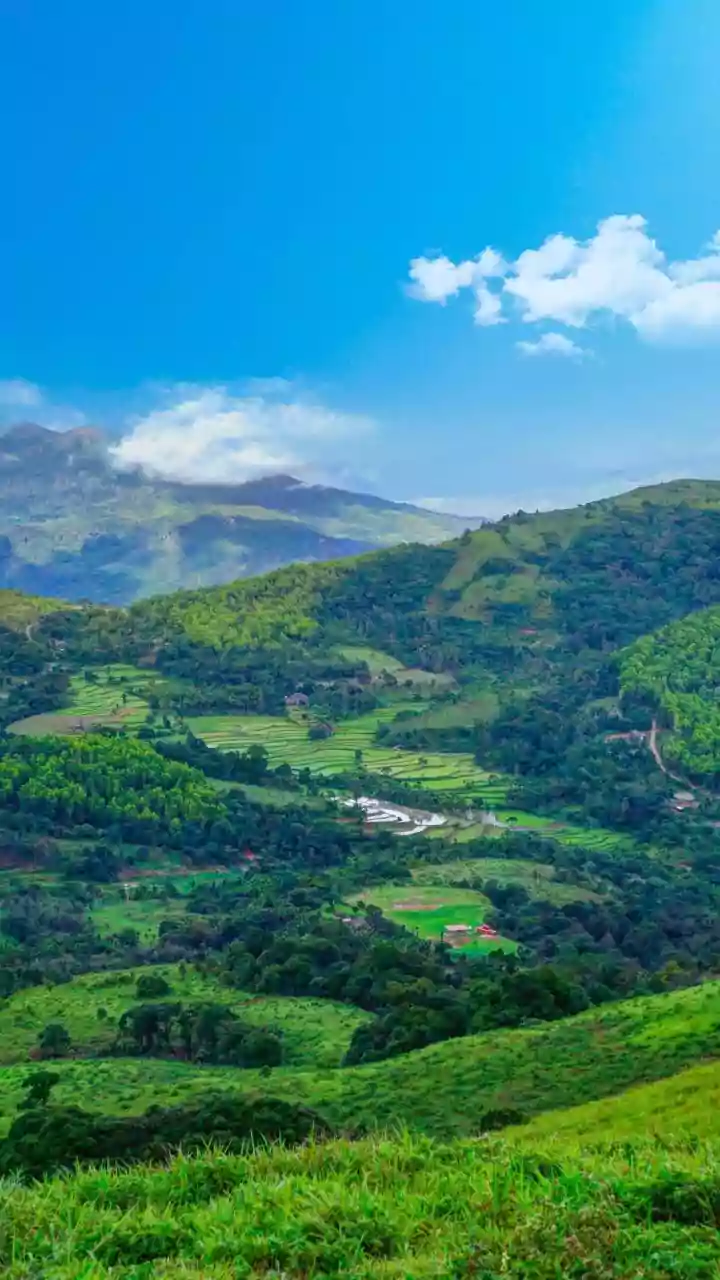
For many Americans, the word “monsoon” conjures a vague image of heavy rain. In the Indian state of Maharashtra, it’s a season that redefines the landscape. From June to September, relentless rains turn the region’s sun-scorched hills into a vibrant,
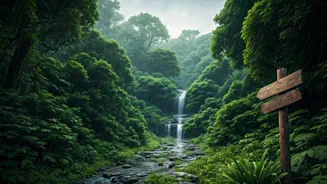
almost impossibly green spectacle, with impromptu waterfalls cascading down mountainsides. It’s a photographer’s dream. But this dramatic transformation is fueled by overwhelming power. The same rains that create this beauty can cause rivers to surge, roads to vanish, and entire travel plans to collapse. For a visitor, understanding this duality is key: the monsoon’s allure is matched only by its potential for disruption and danger.
Navigating Mumbai's Annual Deluge
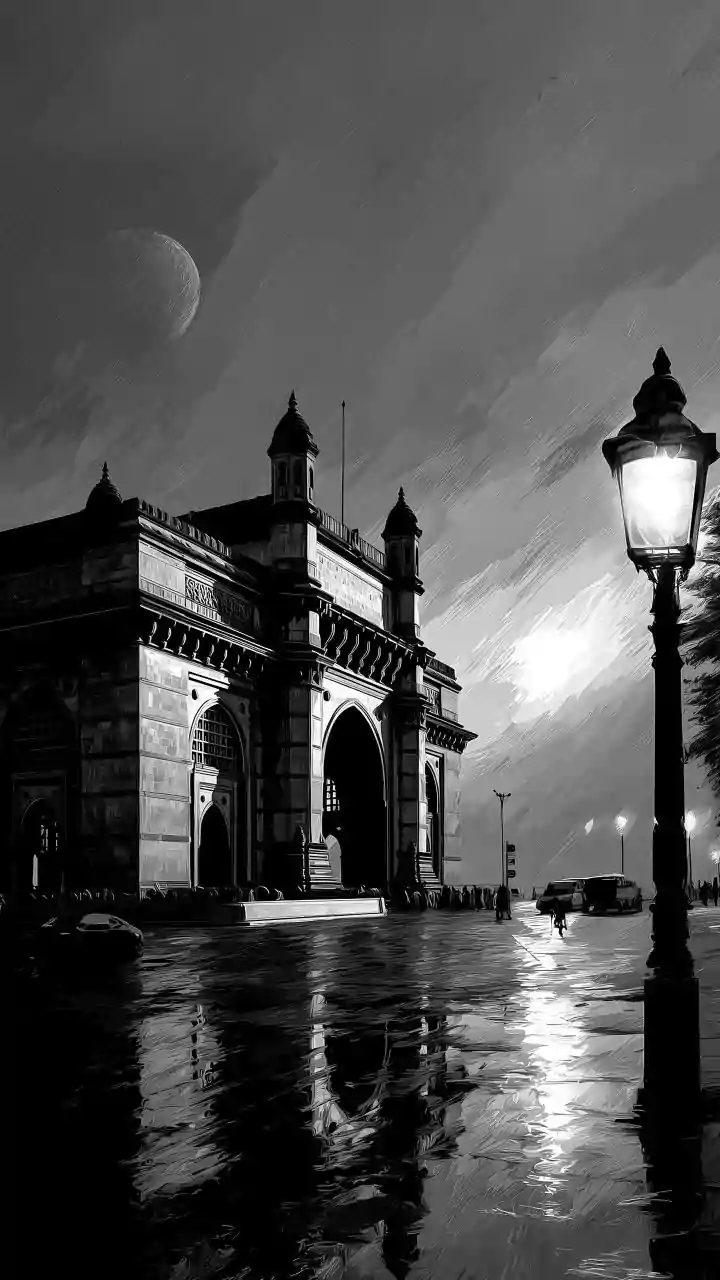
As the primary international gateway to the state, Mumbai offers a front-row seat to the monsoon’s urban impact. When the downpours are intense, the city’s infrastructure is pushed to its limits. Waterlogging—a local term for severe flooding—is a common occurrence. We’re not talking about large puddles; entire neighborhoods can find their streets submerged in feet of murky water. This paralyzes the city’s lifelines: the local train network, which millions depend on daily, grinds to a halt, and traffic on major arteries can be gridlocked for hours. For a tourist, this translates to canceled flights, being stranded in your hotel, or facing the hazardous prospect of navigating flooded streets.
The Perils of the Picturesque Ghats
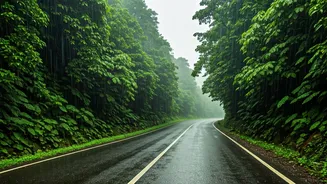
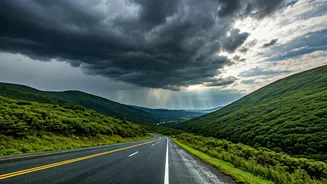
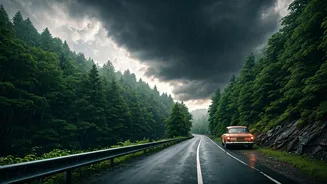
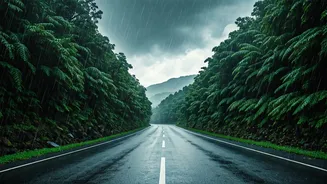
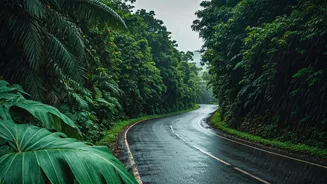
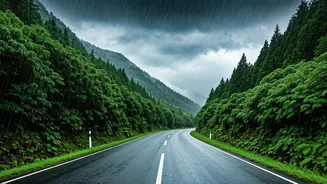
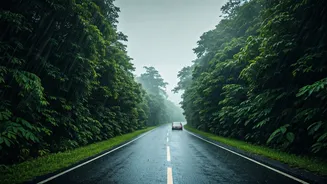
The Western Ghats, a mountain range dotted with popular hill stations like Lonavala, Khandala, and Mahabaleshwar, are the heart of Maharashtra’s monsoon tourism. This is where the landscape is most spectacular, with low-hanging clouds and misty valleys. However, it's also where the risks are most acute. The saturated soil on the steep slopes becomes unstable, leading to a high risk of landslides. These events are not rare; they frequently block the main highways connecting Mumbai and Pune to these getaways, sometimes for days. Driving becomes a high-stakes activity, with a combination of hairpin turns, dense fog that reduces visibility to a few feet, and slick, unpredictable road surfaces. Authorities often close popular viewpoints and waterfall areas without warning for safety reasons.
Coastal Routes and Rough Seas
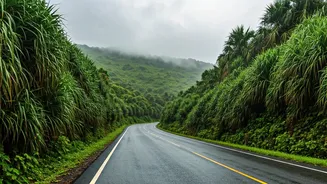
Maharashtra's Konkan Coast, known for its serene beaches and quaint fishing villages, is a different kind of challenge during the monsoon. The Arabian Sea becomes incredibly turbulent, with powerful currents and high waves that make swimming or any water sports strictly off-limits. Ferry services are typically suspended, and even the sturdiest fishing boats remain docked. The coastal highways, while scenic, are vulnerable to flooding and washouts. A road trip that looks straightforward on a map can become an impossible journey. The dramatic sight of a stormy sea is best enjoyed from a secure, distant vantage point, not from a beach or a coastal road.
Your Monsoon Travel Safety Checklist
If you're determined to experience this unique season, preparation is non-negotiable. * **Monitor Official Alerts:** Keep a close watch on the India Meteorological Department (IMD). Their color-coded warnings (red for extreme, orange for severe) are the most reliable indicator of what’s coming. * **Build a Flexible Itinerary:** Do not book tight connections. Assume journeys will take twice as long. Have backup plans, and be prepared to stay put for a day or two if conditions worsen. * **Pack for the Elements:** This means quick-dry clothing, waterproof footwear with excellent grip, a reliable raincoat, and dry bags for all your electronics, passports, and documents. * **Trust Local Knowledge:** Your hotel staff, driver, or guide will have the most current ground-level information. If they advise against traveling to a certain area, listen to them. * **Avoid Unnecessary Risks:** Never attempt to drive through a flooded road. The depth is impossible to judge, and currents can be deceptive. Stick to well-known trails and avoid venturing out to isolated spots, especially near water bodies or on hillsides, after heavy rain.