



The Snack Upgrade You Crave
We’re all on a perpetual quest for the perfect snack. It needs that satisfying, audible crunch. It needs flavor that isn’t one-note. And in a perfect world, it feels a little more interesting than the same old bag of fried potatoes. Enter the modern masala
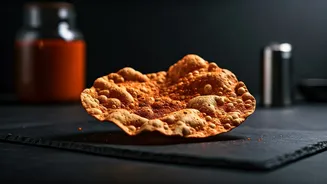
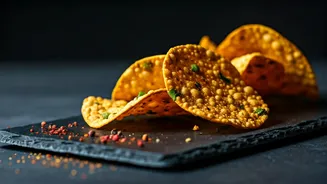
papad, a snack that’s been hiding in plain sight on Indian restaurant menus for decades, now getting a glossy, gourmet makeover. Imagine a chip that’s impossibly thin, shatteringly crisp, and infused with the earthy, spicy notes of cumin, black pepper, and chili. It’s lighter than a potato chip, more complex than a corn chip, and often made from protein-packed lentils. This isn’t just a snack; it’s an experience. And its journey from a humble staple to a trendy pantry essential is a delicious tale of culinary evolution.
First, What Is a Papad?
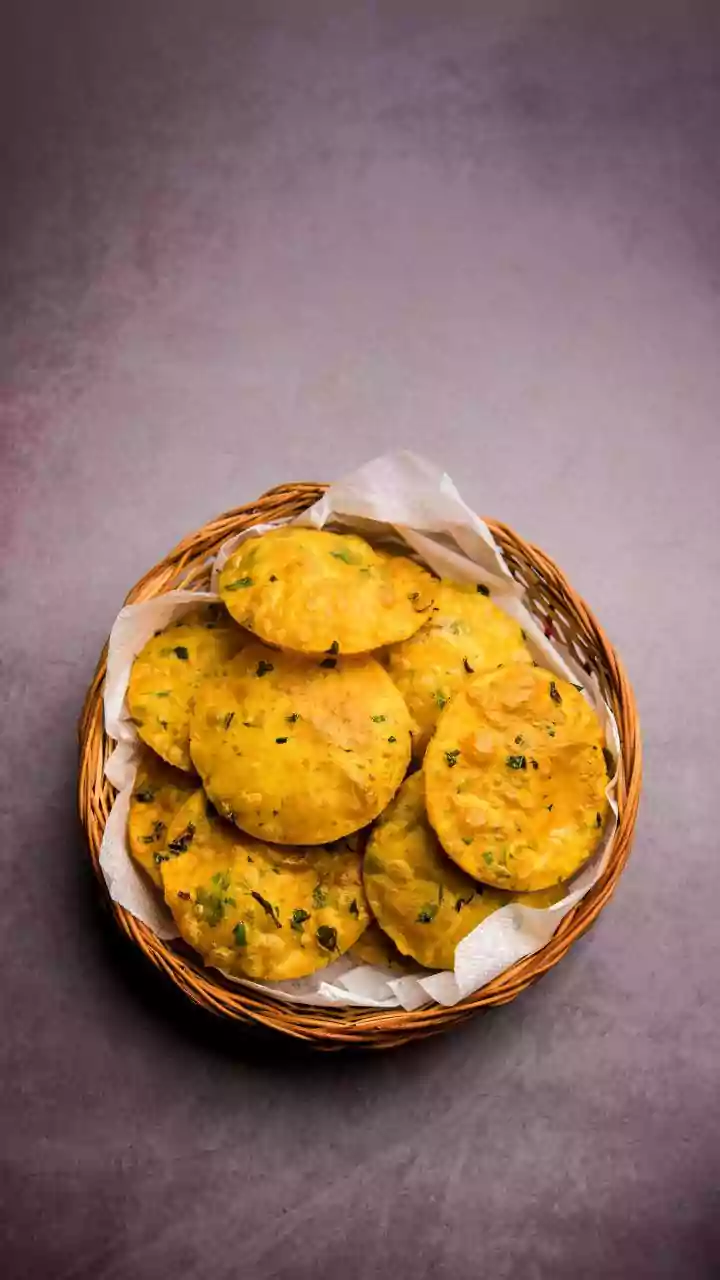
Before it gets its gourmet credentials, you have to understand the base: the papad (or papadum). Think of it as a super-thin, uncooked cracker, traditionally made from lentil, chickpea, or rice flour that’s been kneaded with spices, rolled into a perfect disc, and sun-dried. In households across India, these are a pantry staple. They’re a blank canvas waiting for fire. Traditionally, a papad is cooked right before serving, either by quickly deep-frying it until it puffs and crisps in seconds, or by holding it with tongs over an open gas flame until it blisters and toasts. The result is a smoky, incredibly brittle disc that’s served alongside a meal to scoop up rice and curry, or simply crunched on as an appetizer.
The Classic 'Masala' Treatment
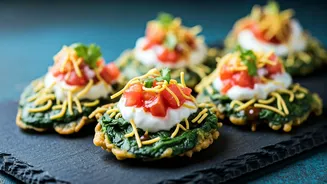
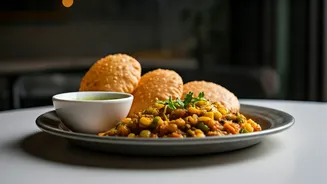
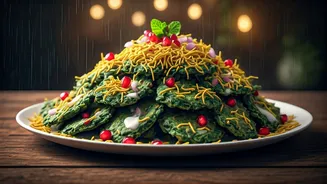
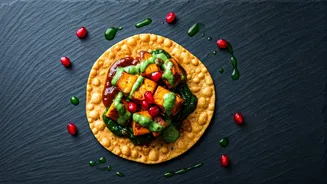
The classic “masala papad” takes things a step further. It’s not a chip; it's a fully loaded dish. Picture a freshly fried or roasted papad, hot and fragrant, immediately covered in a pile of finely chopped red onions, juicy tomatoes, fresh cilantro, and sometimes green chilies. It’s then sprinkled with a zesty, tangy spice blend called chaat masala and a squeeze of fresh lime or lemon juice. The effect is an explosion of sensory contrasts: the hot, crispy base against the cool, fresh toppings; the earthy papad against the bright, acidic salsa. It’s a brilliant appetizer, but it has one critical flaw in the modern snack world: you have to eat it within 60 seconds before the papad gets soggy and loses its signature crunch.
The High-Crunch 'Gourmet Chip' Reinvention
This is where the genius of the reinvention comes in. Instead of recreating the soggy-in-a-minute appetizer, innovative chefs and snack companies are deconstructing it. They are taking the *essence* of the masala papad and turning it into a durable, dippable, gourmet chip. This happens in a few ways. Some brands are creating miniature papadum crisps that are pre-flavored with the spices found in chaat masala. Others are selling plain, ready-to-eat papadum chips in bags, positioning them as an exotic, high-protein alternative to corn tortillas for dipping. You'll see them served in restaurants with artisanal raitas (yogurt dips), tangy tamarind chutneys, or even avocado mash. They’ve solved the sogginess problem by separating the cracker from the topping, celebrating the papad for what it is: a phenomenal chip in its own right. The “high crunch” isn’t just marketing—it’s the papad’s natural state.
Why Papads Are Winning Now
The rise of the gourmet papad isn’t happening in a vacuum. It perfectly taps into several major American food trends. First, the search for global flavors is stronger than ever. American palates are bored and actively seek out the complex, savory, and spicy notes found in Indian cuisine. Second, there's the health-conscious angle. Since most papads are made from lentil or chickpea flour, they are often naturally gluten-free and boast a higher protein content than their grain-based counterparts. They offer a “better-for-you” narrative without sacrificing flavor or, most importantly, texture. In a world obsessed with ASMR-worthy food sounds, the papad’s light, shattering crispness delivers the ultimate crunch, making it an irresistible upgrade for anyone looking to elevate their snacking game.