




More Than Just Yoga
When you hear “Indian” and “wellness” in the same sentence, your mind probably jumps to yoga. And while the ancient practice is a cornerstone of Indian culture, the new wave of creators captivating Gen Z is proving the subcontinent’s contribution to fitness
is far richer and more dynamic. This isn’t about co-opting a few Sanskrit terms for a trendy yoga class; it’s about a ground-up reimagining of what it means to move your body and nourish your soul. Creators are pushing past the Western-sanitized version of Indian wellness, reintroducing its philosophy, its joy, and its incredible diversity. They’re demonstrating that health isn't a commodity to be bought in a high-end studio but a practice to be woven into daily life, rooted in culture and community.
The Bhangra HIIT Takeover
Perhaps the most visible and energetic part of this shift is the fusion of traditional Indian dance with high-intensity interval training (HIIT). Creators like the UK-based Radhika Bodalia, founder of the #BhangraFit movement, have gone viral by swapping out burpees for explosive Bhangra jumps and planks for dynamic, shoulder-shrugging moves. The appeal is twofold. First, it’s an incredibly effective workout, combining cardio and strength in a way that feels more like a party than a chore. Second, it’s deeply authentic. For South Asian Gen Zers, it’s a powerful moment of seeing their culture celebrated in a mainstream fitness context. For everyone else, it offers an accessible, exhilarating entry into a rich cultural tradition, no prior dance experience required. The screen fills with color, rhythm, and infectious smiles—a stark contrast to the often sterile and intimidating aesthetic of conventional fitness content.
Decolonizing the Kitchen
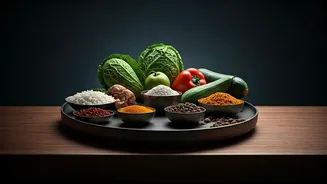
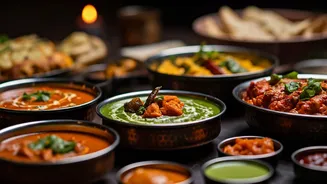
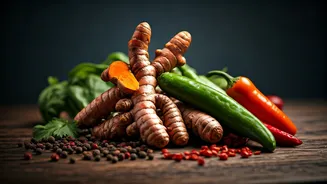
The transformation isn't just happening on the workout mat; it's also in the kitchen. For years, Western wellness culture has often villainized traditional diets, pushing a narrative centered on salads, smoothies, and calorie restriction. Indian creators are fighting back, decolonizing the conversation around nutrition. They showcase the health benefits of spices like turmeric and cumin, champion lentil-based dishes as protein powerhouses, and teach their followers how to make healthy, modern versions of beloved family recipes. The message is one of abundance, not restriction. It’s a rejection of the idea that one must abandon their culinary heritage to be “healthy.” This approach resonates deeply with a generation wary of toxic diet culture and hungry for authenticity, proving that a bowl of daal can be just as much a “health food” as a kale smoothie.
Wellness with Soul
Underpinning this entire movement is a philosophical shift. These creators are re-centering the ‘well’ in wellness, moving beyond a purely physical, aesthetic-driven focus. They talk openly about mental health, the importance of rest, and finding joy in movement rather than exercising for punishment. They often weave in principles from Ayurveda—India’s ancient system of medicine—that emphasizes balance and an individual’s unique constitution. This holistic approach feels like a necessary antidote to the burnout-inducing, “no days off” hustle culture that has long dominated fitness. For Gen Z, a generation that prizes mental health and seeks purpose, this integrated mind-body-soul approach isn’t just appealing; it feels essential. It’s a vision of fitness that is kinder, more inclusive, and ultimately, more sustainable.