


A Celebration on the Roof of the World
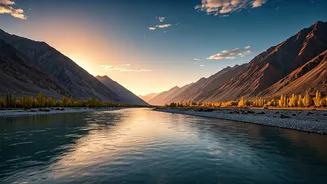
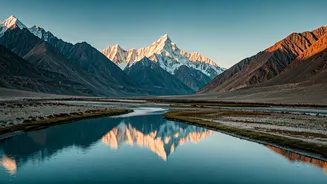
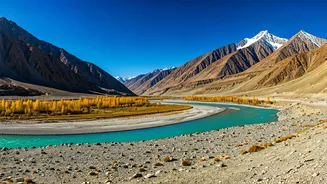
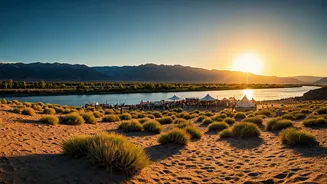
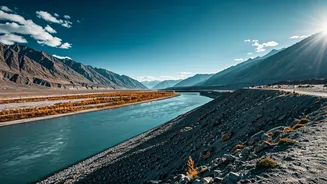
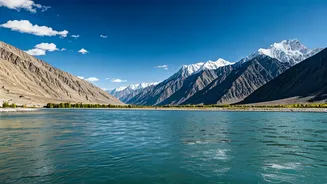
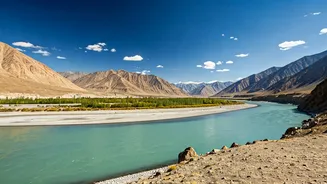
Every June, on the banks of the mighty Indus River near Leh, in the high-altitude Indian region of Ladakh, a unique gathering takes place. The Sindhu Darshan Festival, or 'Indus Vision Festival,' is a vibrant, three-day event dedicated to the river that
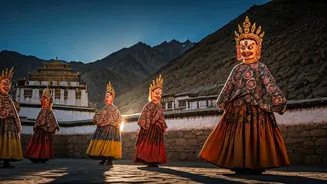
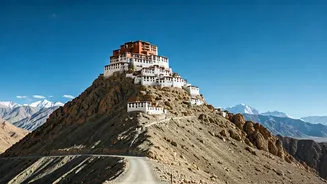
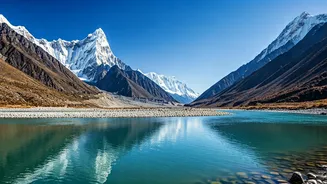
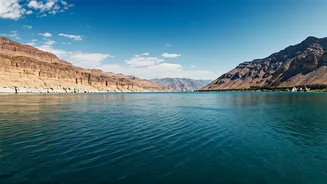
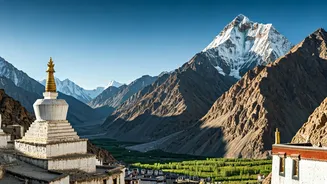
gives India its name. At an elevation of over 11,000 feet, this isn't your typical summer festival. Ladakh, often called the 'Land of High Passes,' is a cold desert landscape of breathtaking beauty and profound fragility. The festival brings together cultural troupes from across India, who perform traditional music and dance in a spectacular display of national unity and diversity. At its heart, the event is a tribute to the Sindhu (Indus) River as a symbol of life, harmony, and cultural heritage for the people who have depended on its waters for millennia.
Beyond Pageantry: A Deeper Purpose
While the colorful costumes and rhythmic drum beats are a major draw, the festival's mission runs much deeper than mere entertainment. It was conceived as a platform to promote national integration, bringing artists and visitors from different states to a remote but historically significant corner of the country. For attendees, it’s a powerful experience of communal harmony, where people from various backgrounds gather to honor a shared natural resource. A central ritual involves participants bringing water from their home rivers to merge into the Indus, a symbolic act of unity. This focus on a shared lifeline—the river—naturally extends to a broader message about conservation and respect for the natural world, setting the stage for its role in promoting a more mindful form of tourism.
Defining 'Conscious' at High Altitude
In a place as ecologically sensitive as Ladakh, tourism can be a double-edged sword. The influx of visitors provides vital income but also places immense strain on limited resources like water and generates waste that is difficult to manage. The Sindhu Darshan Festival actively works to counter this by championing 'conscious tourism.' This means encouraging visitors to think beyond themselves and consider their impact. The festival promotes staying in local homestays and guesthouses, ensuring that tourist dollars directly support Ladakhi families rather than large, impersonal hotel chains. Organizers emphasize waste reduction, a critical issue in a region with no large-scale recycling facilities. The very theme of the festival—honoring a river—serves as an educational platform, reminding every attendee that the pristine mountain landscapes are not just a beautiful backdrop but a delicate ecosystem that requires active protection.
The Traveler's Role in a Fragile Paradise
For the American traveler seeking an experience that transcends the typical tourist trail, the festival and the philosophy it embodies offer a compelling alternative. Being a 'conscious traveler' in Ladakh isn’t about sacrificing comfort; it's about making better choices. It means carrying a reusable water bottle to avoid single-use plastics, which are a scourge in the Himalayas. It means respecting local customs—dressing modestly when visiting monasteries, for instance—and asking for permission before taking photos of people. It’s about engaging with the local culture with curiosity and humility, perhaps by learning a few words of the local language or trying traditional Ladakhi food. By participating in the festival with this mindset, a visitor is no longer a passive consumer of scenery but an active participant in a movement to preserve one of the world's most stunning and fragile environments for generations to come.