




A World Held by a River
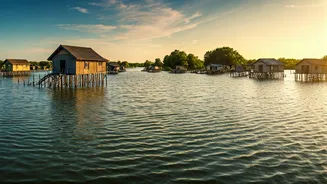
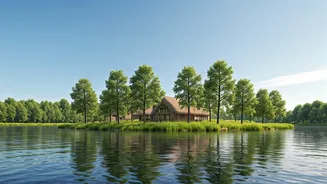
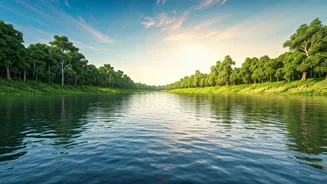
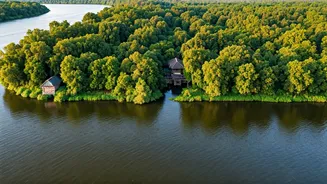
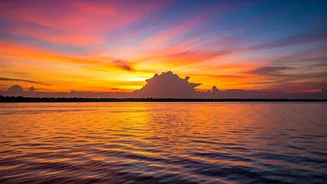
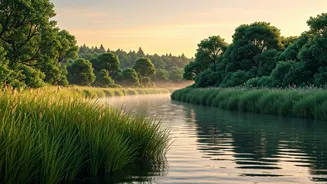
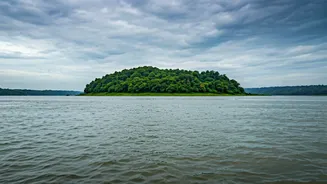
Located in India’s Brahmaputra River, Majuli is often cited as the world's largest river island. Stepping onto its shores feels like entering another realm. The frenetic pace of modern life dissolves into a landscape of emerald-green rice paddies, serene
wetlands, and small villages built on stilts. There are no major cities, no traffic jams, just a network of sandy paths and dirt roads connecting communities. For the modern traveler weary of over-tourism and commercialized destinations, Majuli offers an immediate sense of authenticity. It’s a place defined not by what has been built upon it, but by the elemental forces of water and earth that shape its boundaries day by day.
An Ecosystem Teeming with Life
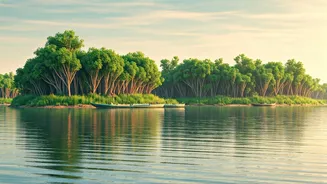
The island's ecology is its main draw. Its network of 'beels' (wetlands) and sandbars creates a vibrant, shifting habitat for an incredible array of biodiversity. Birdwatchers are particularly drawn here, as Majuli is a critical stopover for migratory birds, including various species of storks, pelicans, and Siberian cranes during the winter months. The rhythm of the island is dictated by the monsoon and the river's flow, which replenishes the soil and sustains its agricultural abundance. This isn't a manicured nature park; it's a living, breathing ecosystem where humans have learned to coexist with the cycles of flood and fortune. For nature lovers, this provides a rare glimpse into a landscape where human activity is subordinate to the environment, not the other way around.
Culture Rooted in Nature
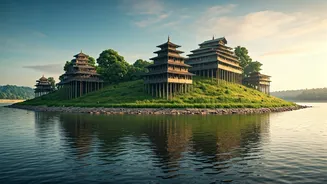
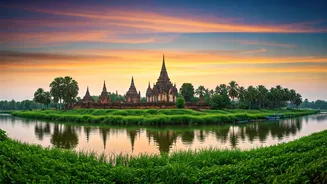
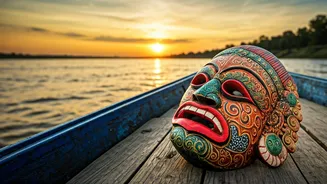
Majuli’s cultural landscape is as unique as its geography. For centuries, it has been the heart of Assamese Neo-Vaishnavism, a monotheistic Hindu tradition. The island is dotted with 'Sattras'—monastic centers that are repositories of art, music, dance, and philosophy. These are not isolated religious institutions; they are deeply integrated into the community and its relationship with nature. The monks farm, practice traditional crafts like mask-making, and perform devotional arts that often reflect the natural world around them. Additionally, the island is home to the Mising tribe, an indigenous community whose stilt houses are a brilliant adaptation to the annual floods. Their culture, from weaving to cuisine, is inextricably linked to the river and its resources. This seamless blend of ecology and culture offers a profound experience for travelers seeking more than just pretty views.
The Allure of a Fragile Paradise
Paradoxically, part of Majuli's allure is its vulnerability. The same Brahmaputra River that gives the island life is also consuming it. Intense erosion has caused Majuli to shrink dramatically over the past century, and its future is uncertain. This precariousness resonates deeply with the modern eco-conscious mindset. Visiting Majuli is not just about witnessing beauty but also about bearing witness to impermanence. It adds a layer of urgency and meaning to the journey, transforming a simple vacation into a poignant encounter with the effects of climate change and environmental dynamics. Travelers are not just passive observers; they become acutely aware of the delicate balance that sustains such a unique place, making the experience all the more impactful.
A Model for Conscious Travel
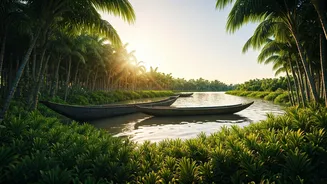
Majuli's tourism infrastructure is a reflection of its ethos. Instead of large hotels, visitors find welcoming, family-run homestays and bamboo cottages. This community-based model ensures that tourist dollars directly support local families. The experience is inherently slow and immersive. Days are spent cycling through villages, learning about weaving from Mising women, or observing evening prayers at a Sattra. This style of 'slow travel' is precisely what many modern adventurers are looking for: a genuine connection to a place and its people, with a minimal environmental footprint. It’s an antidote to the checklist-driven tourism of crowded hotspots, offering a quiet, meaningful exchange that enriches both the visitor and the host community.